Single-atom catalysts Innovation is defined as the transformation of plastic waste into valuable chemical feedstocks and high-quality goods through advancing processes like chemical recycling and single-atom catalysis..
Turning Plastic Waste into Valuable Chemicals with Single-Atom Catalysts
Single-atom catalyst innovation represents a transformative shift in plastic waste management, moving beyond the limitations of traditional mechanical “down-cycling” toward a truly circular economy. By leveraging advanced chemical recycling and single-atom catalysis, these processes recover high-quality monomers from petroleum-based plastics, effectively upcycling persistent waste like polyethylene terephthalate (PET) into profitable chemicals such as terephthalic acid (PTA) and potassium diformate (KDF). This dual-purpose technology not only facilitates the production of green hydrogen but also introduces pioneering techniques like corrosion engineering and the salt-templated transformation of plastics into graphene-based materials. Ultimately, these breakthroughs bridge the gap between fundamental surface science and industrial-scale production, turning environmental liabilities into valuable chemical feedstocks and high-quality goods.
Economic and Industrial Scalability
By bridging the gap between laboratory-scale surface science and industrial chemical production, this innovation creates a profitable “circular” model. It reduces the global reliance on virgin petroleum by treating plastic waste as a high-grade feedstock rather than a pollutant. This transition not only mitigates environmental damage but also offers a viable commercial pathway for chemical manufacturers to diversify their output toward “green” commodities like potassium diformate (KDF).
Also read: Easy ways to Learn Organic Chemistry
Practical Usage:
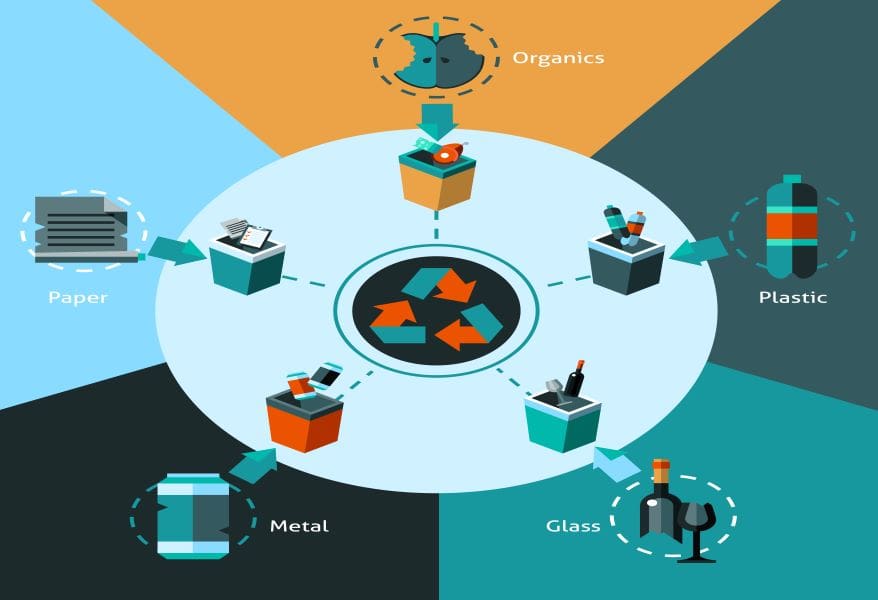
The outputs of these innovations are integrated into several sectors that impact daily life:
Packaging
This is the largest application segment of Single-Atom Catalysts , where chemically recycling plastics are uses for food and beverage containers, cosmetics, and household care.
Automotive
Recycled plastics are using for replacement parts and interior components. Furthermore, It is helping vehicles meet environmental regulations and consumer demand for eco-friendly products.
Building & Construction
Polyethylene (PE) compounds are uses for pipes, insulation, and general construction materials due to their stiffness and cost-effectiveness.
Electronics & Textiles
Recycled polymers serve as insulation coatings in electronics and are converted into durable fibers for sustainable apparel.
Clean Energy
The byproduct of the electrocatalytic upcycling process is green hydrogen, as a result which can be uses to fuel clean-energy technologies.
Commercial Readiness
The market for chemical recycling is already substantial and is poised for rapid expansion. The global market size was estimate at USD 14.82 billion in 2023 and is project to grow to USD 26.88 billion by 2030, with a compound annual growth rate (CAGR) of 9.4%. As a result, recent breakthroughs have demonstrated that electrocatalysts can operate at ampere-level current densities for over 500 hours of continuous operation. A milestone like this indicates high industrial relevance and readiness for bulk production. Large-scale adoption is expected to accelerate as companies like Syzygy Plasmonics deploy modular systems for commercial hydrogen and fuel synthesis.
Future Research Areas for Students
For students looking to build careers in this field, several cutting-edge research areas are emerging:
- Single-Atom Catalysts (SAC) Design: Developing stable, uniform Single-atom catalysts catalysts that maximize atom efficiency to reduce the cost of precious metals like Platinum.
- Machine Learning in Catalysis: Using AI to identify hidden correlations between synthesis and structure, accelerating the discovery of new materials.
- Electrocatalytic Reaction Discovery: Exploring novel reactions such as partial methane oxidation or C-N coupling using single-atom sites.
- Techno-Economic and Life Cycle Assessment: Analyzing the environmental “hot spots” and profitability of new recycling processes to ensure they are truly sustainable before industrial implementation.
- Advanced Characterization: Additionally, Mastering tools like X-ray Absorption Spectroscopy (XAS) to probe atomic structures and understand catalyst behavior.
- Eventually, to understand the shift toward single-atom catalysis.
These innovative methods enable an ideal circular plastic economy by recovering monomers from petroleum. This transition of Single-Atom Catalyst focuses on upcycling persistent waste, such as polyethylene terephthalate (PET), into profitable chemicals like terephthalic acid (PTA) and potassium diformate (KDF), while simultaneously producing green hydrogen.
Imagine a traditional catalyst as a large sponge where only the surface can soak up water. A single-atom catalysts is like taking that same sponge and tearing it into microscopic pieces. ensuring every single fiber is available to work, thereby maximizing efficiency and minimizing waste.
Additionally, to stay updated with the latest developments in STEM research, visit ENTECH Online.
Reference:
Ren, S., Xu, X., Hu, K. et al. Salt-templated transformation of waste plastics into single-atom catalysts for environmental and energy applications. Nat Commun 16, 8194 (2025). https://doi.org/10.1038/s41467-025-63648-z
Disclaimer: We do not intend this article/blog post to provide professional, technical, or medical advice. Therefore, please consult a healthcare professional before making any changes to your diet or lifestyle. In fact, we use AI-generated images for illustration and decoration. Their accuracy, quality, and appropriateness can differ. So, users should avoid making decisions or assumptions based only on the text and images.
- Author
- Latest Posts

I am an inspirational writer and emerging science blogger with a background in chemistry. I completed my BSc in Chemistry from AKI’s Poona College of Arts, Commerce and Science, and my journey through science has shaped the way I think, observe, and express myself.
I’ve always believed that knowledge becomes powerful when it’s shared in a way people can truly connect with. That’s why I combine my love for science with my passion for inspiring others through writing. Whether I’m breaking down scientific concepts or crafting motivational content, my goal is to make information clear, engaging, and meaningful.