The paper focuses on understanding and conserving the useful wild plant species of Uganda — plants that communities rely on for food, medicine, fuel, materials, cultural uses, and genetic resources — and prioritizing areas for…
The Useful Plants of Uganda: Species Richness and IPA Hotspots

The paper focuses on understanding and conserving the useful wild plant species of Uganda — plants that communities rely on for food, medicine, fuel, materials, cultural uses, and genetic resources — and prioritizing areas for their protection using the Important Plant Areas (IPA) framework.
Florence O’Sullivan, Florence O’Sullivan, James Kalema, Samuel Ojelel, Iain Darbyshire (2025) conducted the study and published it under the title “The Useful Plants of Uganda: conserving socio- economically valuable plant species using important plant area (IPA)” in February 2025
ENTECH STEM Magazine has included this research in its list of the top 10 Botany Discoveries of 2025
Medicinal usage
Many IPA-highlighted plants from The Useful Plants of Uganda, such as Prunus africana bark and Warburgia ugandensis leaves, are used to treat malaria, respiratory issues, and wounds. As part of their daily practices, herbalists prepare decoctions or poultices from these plants. As a direct result of this practice, healthcare costs are lowered in areas with few clinics. By maintaining and protecting conserved areas, a steady supply of these plants is ensured for traditional healing.
Economic and Fuel Value
Species like Entandrophragma from The Useful Plants of Uganda provide timber for construction wood and crafts. Other species supply firewood and charcoal for cooking. Women and farmers collect these resources daily. They generate income through trade. Important Plant Areas (IPAs) protect these resources against deforestation.
Cultural Practices
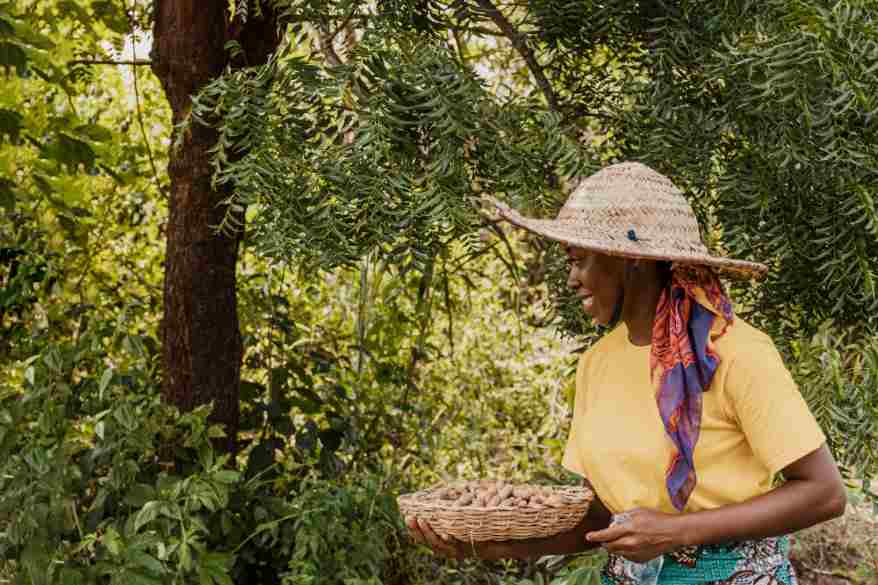
Plants from The Useful Plants of Uganda play important roles in rituals, crafts, and agroforestry. For instance, dyes are extracted from roots, and fibers are used to make baskets. In addition to their traditional uses, integrating these plants into home gardens promotes sustainable daily use. As a result of this integration, biodiversity is preserved.
Cultural Practices
Plants from The Useful Plants of Uganda feature in rituals, crafts, and agroforestry. Examples include dyes from roots or fibers for baskets. Integrating them into home gardens promotes sustainable daily use. This preserves biodiversity
Educational and Career Opportunities
Makerere University offers degrees such as a BSc in Conservation Forestry from The Useful Plants of Uganda context. The program teaches students how to identify plants and restore habitats. It also trains them to work with local communities. These skills help students contribute to conservation efforts. School-based tree-planting integrates IPA awareness into curricula, teaching youth about native species like Prunus africana for future stewardship.
Training Initiatives
Community nurseries under projects like Go Volunteer Africa and BGCI train locals in seed collection, propagation, and agroforestry from The Useful Plants of Uganda. For example, these programs often employ over 100 rural participants. Moreover, they emphasize IPAs while covering medicinal plants and restoration techniques for eco-agriculture certification.
Career Pathways
Graduates pursue roles such as botanists, forest officers with the National Forestry Authority, or NGO conservationists focusing on IPAs from The Useful Plants of Uganda. As a result, opportunities include research at Kew collaborations, nursery management, and policy advising for CBD-aligned projects. In addition, demand is growing for IPA monitoring experts.
Conclusion
The Useful Plants of Uganda demonstrates that Uganda harbors a rich diversity of useful plant species—1,037 species with documented human uses, constituting about one-fifth of the country’s vascular flora. By applying the Important Plant Areas (IPA) framework using criterion B(iii), researchers identified 54 geographic “cells” that qualify as potential IPAs due to their high useful plant species richness. Although Uganda’s current protected area network includes about 55% of these species, focusing conservation on the top 15 most species-rich cells could capture around 59% in a smaller land area, improving efficiency.
The Useful Plants of Uganda also found significant positive correlations between the distribution of useful plants and that of threatened and endemic species. Areas important for overall biodiversity often overlap with useful plant hotspots. However, many crop wild relatives—critical for genetic diversity and future food security—remain poorly protected, with 56% unrepresented in current protected areas.
The Useful Plants of Uganda shows that prioritizing useful plant species in conservation planning via IPAs not only strengthens biodiversity protection but also supports community livelihoods and traditional knowledge. In addition to this, it helps meet national and global biodiversity targets. For instance, the authors recommend further refining site delineation while incorporating complementary data such as land use and socio-economic factors. On top of that, additional sampling in underrepresented regions is essential.
Additionally, to stay updated with the latest developments in STEM research, visit ENTECH Online. Basically, this is our digital magazine for science, technology, engineering, and mathematics. Also, at ENTECH Online, you’ll find a wealth of information.
Reference
O’Sullivan, F., Richards, S. L., Kalema, J., Ojelel, S., & Darbyshire, I. (2025). The Useful Plants of Uganda: Conserving socio-economically valuable plant species using important plant areas (IPAs). Economic Botany, 79(2), 151–170. https://doi.org/10.1007/s12231-025-09631-7
- Author
- Latest Posts

I completed my Master of Science from the University of Allahabad in 2017 with a strong academic background in life sciences and chemistry. My specialization included Molecular Biology, Microbiology, Genetics, Plant Breeding, Phycology, Paleobotany, and Bioinformatics, along with Organic Chemistry, Inorganic Chemistry, and Physical Chemistry. This multidisciplinary training provided me with a comprehensive understanding of biological systems and analytical scientific approaches.
After completing my postgraduate studies, I gained valuable professional experience in both the education and social development sectors. I worked at A.M. Oxford Public School, where I was actively involved in guiding students toward academic excellence. In this role, I focused on creating an engaging learning environment, encouraging critical thinking, and nurturing students’ curiosity for scientific learning. My experience as an educator strengthened my communication, mentoring, and classroom management skills.
In addition to my teaching experience, I worked with Jeevan Jagriti Foundation, where I contributed to community-based initiatives aimed at improving educational access and awareness among underprivileged sections of society. Through this work, I participated in programs designed to support social development and promote the value of education in marginalized communities.
These professional experiences helped me develop strong interpersonal, leadership, and organizational skills while reinforcing my commitment to education and community service.