Explore the intersection of Neuroscience and AI. Discover how neuromorphic computing and AI/ML are mapping the mind and healing the brain.
The Future of the Thinking Machine: Mapping the Mind through AI and Neuromorphic Engineering
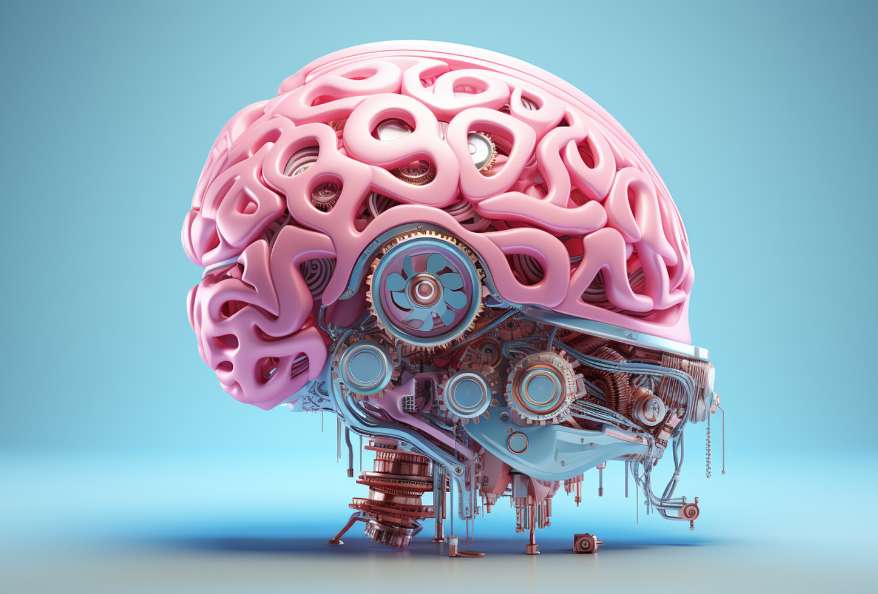
Imagine a world where a doctor can predict a neurological shift—like the onset of Alzheimer’s or a subtle change in cognitive health—years before a single symptom appears. Imagine a computer that doesn’t just process data like a calculator, but thinks and learns with the energy efficiency of a human brain.
This isn’t science fiction. We are currently standing at the most exciting crossroads in human history: the intersection of Neuroscience and AI (Artificial Intelligence). As a Neuroscientist, I have seen firsthand how these two fields are no longer separate. Rather, Neuroscience and AI are two sides of the same coin, each helping us unlock the mysteries of the other.
The Data Revolution: Predicting the Unpredictable
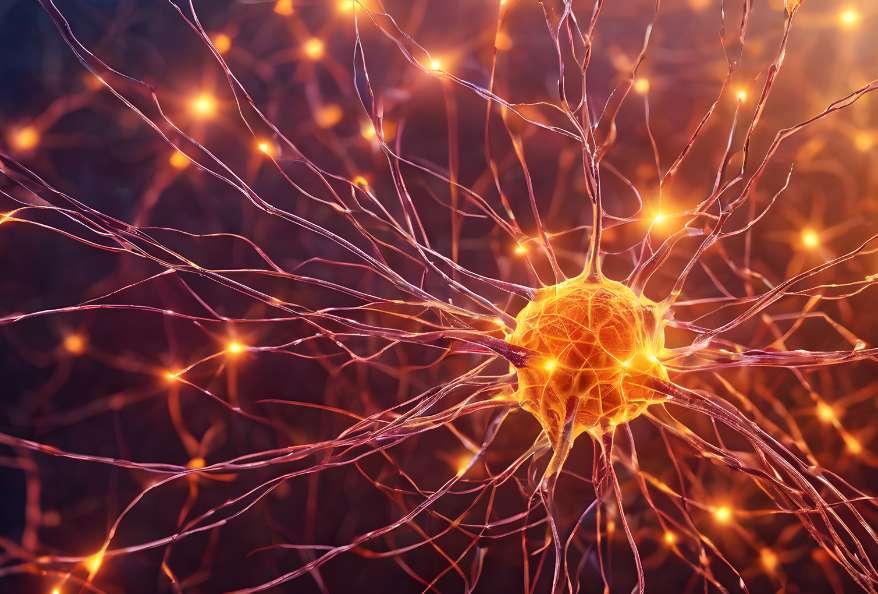
For decades, diagnosing neurological disorders was a process of observation. Doctors waited for symptoms to manifest—memory loss, tremors, or speech difficulties—and then worked backward. But the brain is a complex organ that compensates for damage long before we notice it. By the time symptoms appear, significant neural changes have already occurred.
This is where Machine Learning (ML) changes the game. Unlike a human observer, ML algorithms can digest “Big Data”—thousands of brain scans (MRIs, CTs), genetic sequences, and even subtle behavioural patterns from wearable tech—to find signals that are invisible to the naked eye. This powerful intersection of Neuroscience and AI allows for predictive modeling that catches these disorders in their infancy, shifting medical care from reactive treatment to proactive prevention.
Why More Data Leads to Better Results in Neuroscience and AI?
In the world of ML, “data is the new oil,” but in neuroscience, data is the new “lens”. The more high-quality data we feed into our models, the more “efficient” they become. We aren’t just looking for one marker of a disease; we are looking for a multimodal signature.
By training models on massive datasets, we can achieve:
- Early Detection: Identifying “micro-shifts” in neural connectivity that suggest a high risk for disorders like Parkinson’s.
- Personalized Treatment: Every brain is unique. AI helps us predict how your specific neural architecture will respond to a specific medication.
- Reduced Error: AI acts as a “second pair of eyes” for radiologists, ensuring that no tiny lesion or anomaly is missed.
For you, the budding scientists of today, the challenge is no longer just “collecting” data, but “curating” it. Especially in the burgeoning field of neuroscience and AI, we need ethical, diverse, and massive datasets to ensure that these predictive models work for everyone, regardless of their background.
Neuromorphic Computing: Building Brains from Silicon
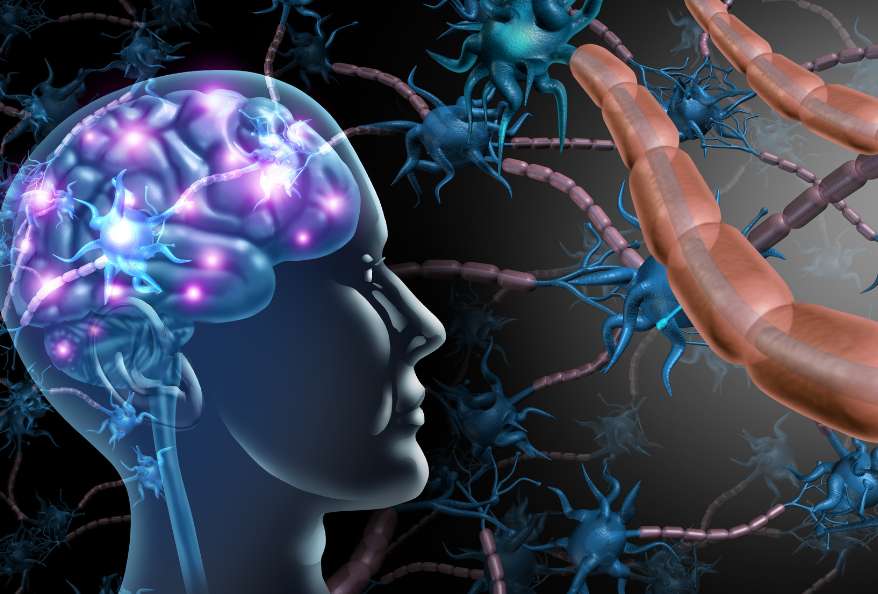
While we use AI to understand the brain, we are also using the brain to build better AI. This is called Neuromorphic Computing.
Neuromorphic Computing is one of the hottest fields in Neuroscience and AI.
Current computers use the “von Neumann architecture”, where the processor and memory are separate. This involves a lot of “shuttling” of data back and forth, which consumes a massive amount of energy. Your brain, however, is the most efficient computer in the known universe. It performs trillions of operations per second while consuming only about 20 watts of power—barely enough to light a dim bulb.
The Path to Safety and Affordability in Neuroscience and AI
The goal of neuromorphic engineering is to create “brain-on-a-chip” technology. These chips use artificial neurons and synapses to process information in parallel, just like we do. However, for this to become a global reality, we must solve two major hurdles: Safety and Affordability.
Affordability:
Currently, developing custom neuromorphic hardware is expensive. But as we transition to new materials—like memristors (memory resistors)—we can start manufacturing these chips at scale. Imagine a low-cost, neuromorphic sensor in a prosthetic limb that allows a patient to “feel” and react in real-time without needing a massive supercomputer attached to them.
Safety and Ethics:
As we create machines that mimic the brain, we must ensure they are “explainable.” We cannot have “black box” AI making medical decisions. The future of neuromorphic tech must be built on Neuro-Ethics, ensuring that these systems are transparent, secure from hacking, and designed to augment human capability, not replace it.
The Synergy: A New Frontier for Students
You might ask, “Why should I study Neuroscience and AI?“
The answer is that the next great breakthrough in medicine won’t come from a biologist alone, nor will it come from a lone coder. It will come from a Multidisciplinary Scientist – someone who understands the synaptic plasticity of the hippocampus and the weight adjustment of a neural network.
By merging neuroscience with ML, we are creating a feedback loop:
- We study the brain to build better AI.
- We use that AI to better understand the brain.
- We apply that understanding to heal neurological disorders.
“The brain is the last great frontier of human biology, and AI is the vehicle that will allow us to map it.”
Your Role in the Future of Neuroscience and AI
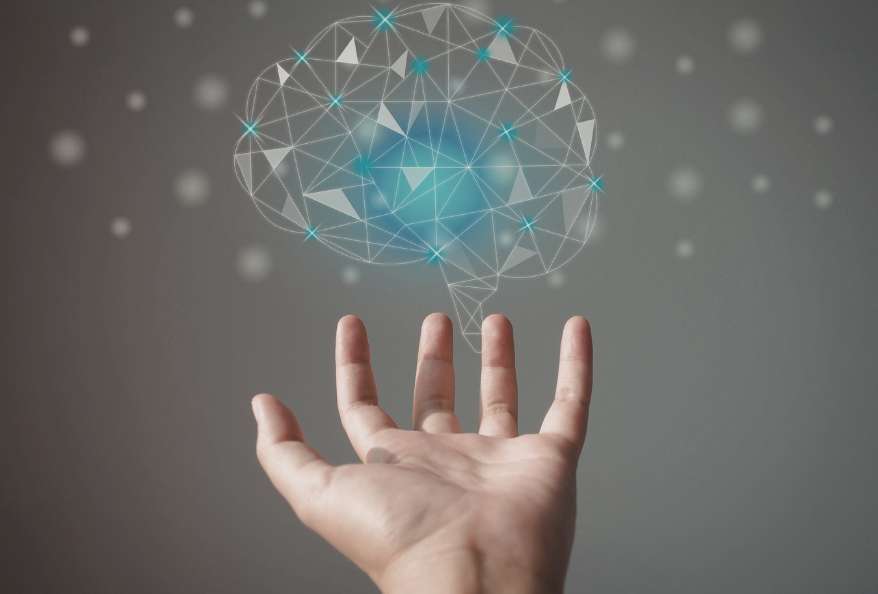
To the students reading this: you are the generation that will move these technologies from the lab to the living room. By mastering the intersection of neuroscience and AI, you will be the ones to ensure that a child in a remote village has access to the same AI-driven neuro-diagnostic tools as someone in a major city.
The path forward in Neuroscience and AI requires curiosity. It requires you to look at a line of code and see a neural pathway, and to look at a biological neuron and see a potential algorithm.
The future of neuroscience is not just about understanding “what” the brain is, but “how” we can emulate its brilliance to create a healthier, smarter, and more equitable world. The tools are being built right now. The data is waiting.
We stand at the threshold of a new Renaissance, where the elegance of biological evolution meets the precision of silicon architecture. By harmonizing the mysteries of the mind with the rigor of machine intelligence through the field of Neuroscience and AI, we are not merely building better computers – we are redefining the very boundaries of human potential.
The symphony of the future is being composed at the intersection of neuron and code—will you take up the baton….. are you up for it ?
Additionally, to stay updated with the latest developments in STEM research, visit ENTECH Online. Basically, this is our digital magazine for science, technology, engineering, and mathematics. Further, at ENTECH Online, you’ll find a wealth of information.
References:
- Badrulhisham, F., Pogatzki-Zahn, E., Segelcke, D., Spisak, T., & Vollert, J. (2023). Machine learning and artificial intelligence in neuroscience: A primer for researchers. Brain Behavior and Immunity, 115, 470–479. https://doi.org/10.1016/j.bbi.2023.11.005
- Falck-Ytter, T. (2024). The interface of neuroscience and artificial intelligence in mental health. www.openaccessjournals.com. https://doi.org/10.47532/npoa.2024.7(5).274-275
- Author
- Latest Posts

Dr. Siddharth Shahi is a distinguished neuroscientist and researcher currently pioneering work at the intersection of biological intelligence and computational theory. With an academic and research foundation rooted in Ruhr University Bochum and his current clinical and research contributions at BG Universitätsklinikum Bergmannsheil, Dr. Shahi’s work is at the forefront of understanding the human brain’s most complex functions.
His expertise lies in the revolutionary field of Neuropsychology and Artificial Intelligence, where he explores how machine learning can be leveraged to simulate neural cognitive functions and predict neurological disorders with unprecedented accuracy. By synthesizing clinical data with advanced algorithms, Dr. Shahi is dedicated to developing more efficient, accessible, and safer models for diagnosing neuropsychological conditions.
Beyond the lab, Dr. Shahi is a passionate advocate for Neuromorphic Computing—the endeavor to design computer systems that mimic the human brain’s architecture. His vision is a future where neuro-inspired technology is not only more powerful but also more affordable and ethically integrated into healthcare. Through his research and writing, he seeks to inspire the next generation of STEM leaders to bridge the gap between “wetware” (the brain) and hardware.