Explore high-demand tungsten carbide manufacturing careers and 5 educational paths, from CNC machining certifications to materials science degrees.
5 Educational Paths to Enter Tungsten Carbide Manufacturing: Your Guide to a High-Demand Career

The demand for skilled workers in advanced materials manufacturing continues to grow, and tungsten carbide stands out as one of the most critical materials in today’s industry. From oil and gas drilling components to aerospace parts and medical devices, this incredibly hard material plays a vital role in applications where durability matters most. For students considering their career options or professionals looking to change fields, the question arises: can you go to school to learn tungsten carbide manufacturing?
The answer is yes, though the path is not always straightforward. While no colleges offer a degree specifically titled “Tungsten Carbide Manufacturing,” several educational routes provide the essential skills needed to work in this specialized field. Understanding these pathways helps aspiring workers make informed decisions about their future in this high paying, in demand industry.
Technical College Programs in CNC Machining and Precision Manufacturing
Community colleges and technical schools across the United States offer associate degrees and certificates in CNC machining and precision manufacturing. These programs typically run between 12 and 24 months and provide hands-on training with the equipment and processes used in tungsten carbide manufacturing facilities.
Students learn to operate computer numerical control machines, read complex blueprints, understand geometric dimensioning and tolerancing, and master precision measurement techniques. Programs at institutions like St. Philip’s College in San Antonio and Minneapolis Community & Technical College boast placement rates exceeding 95 percent, with graduates earning median starting salaries between $45,000 and $55,000.
The curriculum usually includes extensive laboratory work where students practice on the same types of CNC lathes, milling centers, and grinding equipment found in professional manufacturing environments. Many programs partner directly with precision manufacturers, ensuring that coursework aligns with current industry needs. This connection often leads to internship opportunities and direct job placements upon graduation.
Metallurgical and Materials Engineering Degrees
For those interested in the science behind tungsten carbide manufacturing rather than just the machining processes, a bachelor’s degree in metallurgical or materials engineering offers comprehensive preparation. Universities like Colorado School of Mines, Missouri University of Science and Technology, and Montana Tech offer robust programs that dive deep into material properties, powder metallurgy, and advanced processing techniques.
These four-year programs combine chemistry, physics, and mathematics with applied engineering coursework. Students explore topics like extractive metallurgy, physical metallurgy, and materials synthesis. Powder metallurgy courses specifically address the sintering processes used to create tungsten carbide components, making this knowledge directly applicable to the industry.
Graduates with metallurgical engineering degrees command starting salaries in the range of $65,000 to $75,000 and often move into roles as process engineers, quality control specialists, or research and development professionals. The Bureau of Labor Statistics projects strong growth in materials engineering careers, with the field expected to expand as industries increasingly rely on advanced materials for demanding applications.
Precision manufacturers value engineers who understand both the theoretical and practical aspects of carbide production. These professionals contribute to improving manufacturing processes, developing new carbide grades for specific applications, and troubleshooting production challenges that require deep materials knowledge.
Registered Apprenticeship Programs in Precision Machining
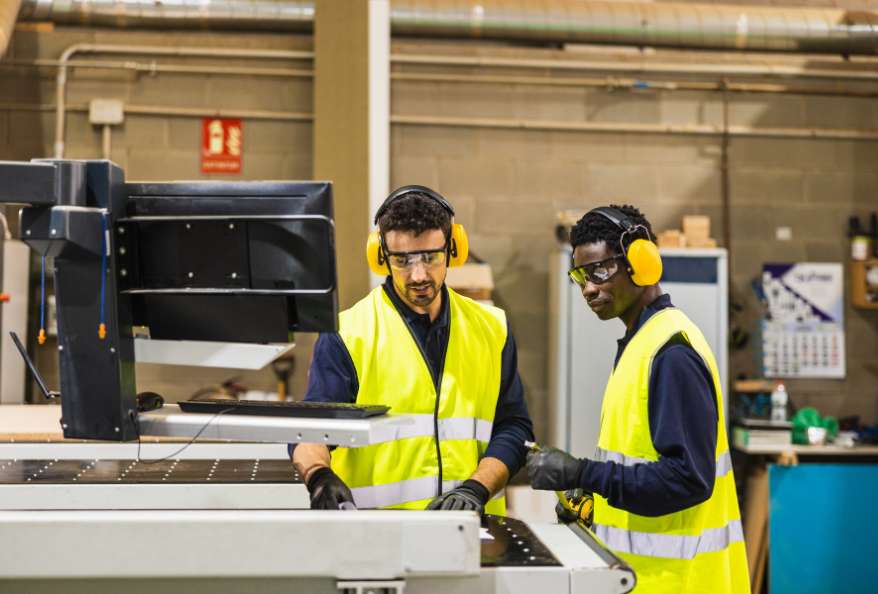
Apprenticeships offer a compelling alternative to traditional classroom education, combining paid on-the-job training with related technical instruction. The U.S. Department of Labor recognizes precision machining apprenticeships, which typically last three to four years and culminate in a journey-level certificate.
Organizations like AJAC in Washington State and programs at companies partnered with technical colleges provide structured learning experiences. Apprentices spend approximately 8,000 hours working under experienced machinists while attending evening or weekend classes covering theory, mathematics, blueprint reading, and advanced machining concepts.
The financial advantage of apprenticeships is substantial. Participants earn wages from day one, typically starting at $15 to $20 per hour and increasing as skills develop. By program completion, many apprentices earn $25 to $35 per hour or more, depending on location and industry sector. This earn-while-you-learn model allows workers to avoid student debt while building valuable experience.
Specialized carbide manufacturers actively recruit from apprenticeship programs because these graduates arrive with real-world production experience. They understand not just how to operate equipment but also how to maintain tight tolerances, work efficiently, and solve problems on the shop floor.
Welding Technology Programs with Advanced Metalworking Training
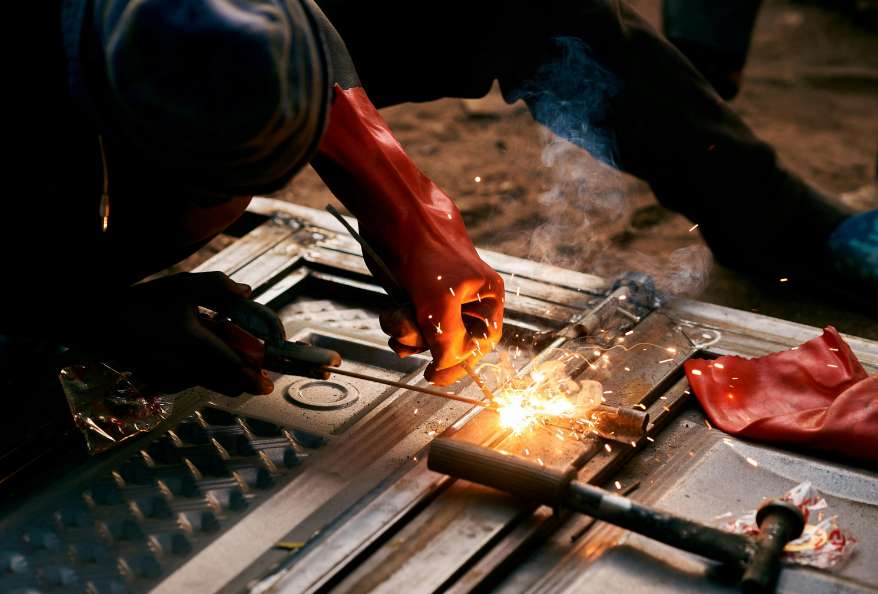
While welding may not seem directly related to tungsten carbide manufacturing, many welding technology programs include coursework in advanced metalworking, metal fabrication, and materials science that translates well to carbide component finishing and assembly work. Programs at institutions like Ozarks Technical Community College and Wor-Wic Community College offer comprehensive training in gas tungsten arc welding (GTAW), also known as TIG welding, which requires the same attention to precision and material properties essential in carbide work.
These programs typically span 12 to 18 months and include training in blueprint reading, metallurgy, precision measurement, and various fabrication techniques. Graduates earn American Welding Society certifications that demonstrate proficiency to employers across manufacturing sectors.
Starting salaries for certified welders range from $40,000 to $55,000, with experienced welders in specialized manufacturing earning significantly more. Workers who understand both welding and machining processes become particularly valuable to manufacturers producing complex assemblies that incorporate tungsten carbide components.
The crossover skills make welding graduates attractive candidates for positions in carbide manufacturing facilities, where they might progress into roles involving carbide brazing, component assembly, or hybrid manufacturing processes that combine multiple metalworking techniques.
Short Term Certificate Programs and Workforce Development Training
For career changers or those seeking rapid entry into manufacturing, short term certificate programs provide focused training in specific skill sets. These programs, often offered through community colleges, workforce development boards, and industry partnerships, range from 8 to 36 weeks and target specific competencies like CNC operation, quality inspection, or precision measurement.
The Northeast Advanced Manufacturing Consortium in Massachusetts, for example, offers free training programs funded through workforce development grants. Participants complete 300 to 400 hours of instruction and earn industry-recognized credentials from organizations like the National Institute for Metalworking Skills (NIMS).
These accelerated pathways appeal to individuals who need to transition careers quickly or who want to test the manufacturing field before committing to longer programs. Many programs include job placement assistance, and completion rates remain high because students see direct connections between their training and employment opportunities.
Employers in tungsten carbide manufacturing increasingly value these focused credentials, particularly when combined with a strong work ethic and willingness to continue learning on the job. Entry level positions for certificate holders typically start at $35,000 to $45,000, with clear advancement paths as workers gain experience and additional skills.
What Employers in Tungsten Carbide Manufacturing Look For
Precision manufacturers seeking workers for tungsten carbide production prioritize specific technical competencies and personal attributes. Technical skills include proficiency with precision measurement instruments, the ability to hold extremely tight tolerances (often to within 0.0002 inches), understanding of CNC programming and operation, and knowledge of quality control procedures.
Beyond technical abilities, employers value problem solving skills, attention to detail, mathematical aptitude, and the ability to interpret complex technical drawings. The nature of carbide work demands patience and precision, as materials are expensive and mistakes costly. Workers must demonstrate reliability and commitment to quality, as components often serve in critical applications where failure is not an option.
Many specialized carbide companies provide additional on-the-job training for new hires, even those arriving with formal education or apprenticeship experience. This specialized training covers proprietary processes, specific carbide grades, and company quality standards. Workers who show aptitude for this specialized knowledge often advance quickly into lead positions or specialty roles.
Making Your Educational Decision
Choosing an educational path into tungsten carbide manufacturing depends on individual circumstances, career goals, and learning preferences. Those interested in engineering and materials science might pursue a four-year degree, while hands-on learners might thrive in technical college programs or apprenticeships. Career changers often find short-term certificate programs provide the quickest route to employment.
The manufacturing sector faces a significant skills gap as experienced workers retire. This creates exceptional opportunities for new entrants willing to develop technical skills and commit to precision work. Regardless of which educational path one chooses, the tungsten carbide industry offers stable, well compensated careers with opportunities for advancement.
The specialized nature of carbide manufacturing means workers develop valuable, transferable skills applicable across the broader precision manufacturing sector. Whether starting with a certificate program and building up or diving directly into a degree program, motivated individuals will find abundant opportunities in this essential industry.
Additionally, to stay updated with the latest developments in STEM research, visit ENTECH Online. Basically, this is our digital magazine for science, technology, engineering, and mathematics. Further, at ENTECH Online, you’ll find a wealth of information.