Learn how an API-driven content architecture creates unified experiences across devices. Discover how to turn content into structured data.
Dynamic Messaging Across Devices with API-Driven Content: Building Unified Experiences in a Multi-Device World

Estimated reading time: 11 minutes
Gone are the days of consumer interaction through the single-screen experience. A modern consumer might find a product on a mobile device, compare product offerings on a laptop, purchase on a tablet application, and re-engage with the brand via Apple watch notifications. Such omnichannel consumption patterns present digital marketing teams with opportunities and challenges.
It’s not enough to have a message simply responsive across screens. Today’s digital marketing teams need an API-driven content architecture that turns all content into structured data for reuse instead of page elements for static placement. Content can be separated from presentation and sent where needed with effective organization and API governance so that companies can facilitate API-driven dynamic messaging for both organizations and consumers alike as content naturally changes based on the screen device. Thus, this article will delve into how API-driven content facilitates meaningful coherent real-time communication across the dynamic screens of modern life.
The Multi-Device User Journey
Digital journeys are fragmented these days, by choice. Users switch devices based on time, urgency, and need. What might be presented as a call-to-action on a desktop that catches a user’s eye may either need to be repositioned or somehow altered for a mobile touch screen or watch, making it increasingly important to Discover Storyblok’s features to better adapt content across different devices and user contexts.
Yet content strategy and content management systems that fail to rely on centrally provided information architecture will provide information that fails to be cohesive at best. Headless CMS for a more effective content strategy helps eliminate these silos by centralizing structured content that can be distributed across all channels consistently. A web page, mobile application, and emerging communication pathways often exist within disconnected systems that replicate content, fail to access the same information, and position messages at odds with one another. This creates confusion, erodes brand trust, and minimizes opportunities for conversion.
API-driven content can solve this fragment cross-platform application by serving as a unified endpoint of information architecture. Structured content can be provided to each device on the same level, ensuring cohesion through coherent access while also adapting to context through considerations of screen size, tab interaction, and more.
Avoiding Templates at Each Device
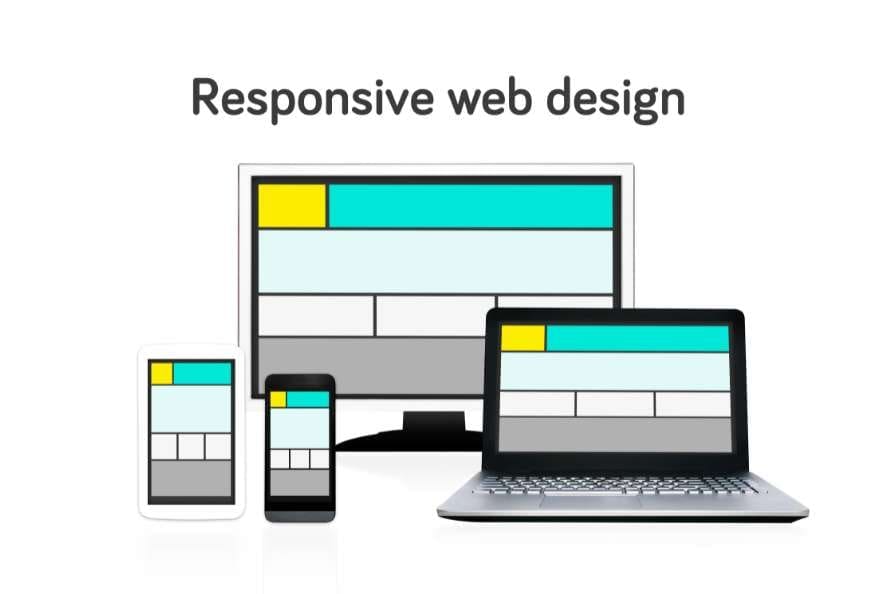
When it comes to messaging, the digital audience seldom has time to waste, but content management systems with templates force access to certain messaging on certain devices. The information embedded in what’s rendered as “mobile,” “desktop,” or “app” often exists without consideration across templates and timelines.
API-driven architecture embraces a decoupled approach to content through templates. Messaging does not exist independently through device-specified renderings of content but instead exists through an API of access based on the available content through independent structured modules. Frontend applications determine access and display based on what is available and relevant in that moment for the journey.
Therefore, both audiences and content specialists benefit from the independence of information. Instead of relying on templated access, rendered components of content can be contextually delivered based on the digital touchpoint. Centralized access fosters cohesion, to be sure, while also minimizing redundancy and overwhelming opportunities for execution.
Structuring Dynamic Messaging for Rendering Needs
Messaging needs to be dynamic. This means the content can change based on the situation. But that also means that the component parts need to be integrated structurally so that digital elements are responsible only for what is necessary and relevant at certain, transitional stages.
For example, a product description may be too long for a mobile context and therefore, a voice rendering may only need a line or two for the necessary call-to-action. Digital touchpoints should be able to adjust based on required structured content fields where necessary like a headline, summary and call to action only accessing what is necessary for the suggested objective.
APIs can deliver this structured logic as well. All component parts of content should be stored as dynamically available. They should exist through a modular landscape but also be accessible as contextually renderable and reliable. Only what’s needed from generated components should be provided and structured architecture promotes dynamic response as opposed to static duplication of certain relevancy.
Enable Real-Time Updates on Every Device
Promotional updates, changing prices, campaign parameters. Regardless of what it is, similar information has to be the same across the web and mobile devices to make things cohesive. Yet, manually checking web systems against mobile ones can take time.
API content guarantees that where content lives in one place, upon request in another, it will always be the same. When something changes in the back-end content repository, via API, dynamic content is pushed to websites, applications, and other interfaces to maintain stability.
This real-time response fosters greater agility. Marketing teams see something in the marketplace and change their assets without recreating the wheel. Consistency across devices makes for easier trust and functionality.
Enables Personalization Across Device Use Cases
Personalization is only as good as the cross-device policy allows. For example, a user who sees something on a mobile application about a product should also see that messaging if they log into their desktop session.
With APIs, this is possible. When they exist between systems, businesses gain access to behavioral data that can funnel into personalization engines. This allows for dynamic content experiences based on structured modules that are generated based upon what content can be pulled from the centralized repository.
Since this repository resides behind the scenes, it creates a fluid experience across touchpoints. Providing seamless opportunities across devices fosters increased engagement and conversion; users don’t feel as if they are randomly connected to a situation they feel guided through.
Reduce Performance Challenges Where Devices Increase Limitations
Devices require varying levels of performance. Mobile applications request varying load times, while wearables demand less data to function. With content structure obtained via APIs, retrieving only what’s necessary is simple to do.
Frontend applications call only specific elements that matter due to their context. Whether in terms of compatibility or the impetus for contact, these do not weigh down bandwidth and boast better responsiveness. Performance stability is easier when it’s not shared among all.
Putting these pieces together ensures that wherever dynamic content is accessed, it can live up to the performance constraints provided by specific devices.
Future-Proofing Messaging Strategy with Emerging Interfaces
The device ecosystem continues to grow voice assistants, connected cars, IoT environments. These types of interfaces require structured data; they are not as simplistic as page content.
API-driven content architecture future-proofs the messaging strategy. Should new devices get integrated, they’ll tap into the same central repository without needing separately duplicated content. Instead, structured modules allow for adoption of new presentation formats without issue.
Such accessibility ensures dynamic messaging is not limited to what’s currently available. Brands are always ahead of the curve relative to technological developments.
Governing Messaging Across Distributed Touch Points
Ensuring that the same messaging is experienced across devices requires effective governance; otherwise, web content could differ from mobile experiences.
Headless, API-driven systems allow for centralized governance within the same structure. With content housed in the same environment, approval workflows and versioning exist to guarantee that what goes public has already been vetted for brand and compliance purposes.
This oversight minimizes risk and maximizes reliability. Dynamic messaging remains aligned to strategic goals across any channel.
Acting on Device-Specific Analytics
Analytics can be captured based on individual devices with structured content. Each modularized piece can present performance metrics to dictate how one part of content performs in one place versus the next.
Such insights help determine optimization efforts. Teams can adjust modules based on one device’s engagement compared to another’s, and due to structured architecture, such changes will take place across the board instead of in silos.
Data-driven optimization helps support dynamic messaging over time and instead of meaningful device analytics becoming fragmented, they become actionable in service of unified goals.
Keeping Campaign Messaging Consistent Through Device Switching
Device-switching is one of the most popular behaviors occurring in today’s digital journeys; a consumer might have a paid ad clicked on their mobile device while commuting and later, upon coming home, attempts to access the same brand via their desktop to make a purchase. If the messaging is inconsistent in either approach, continuity and trust are compromised.
API-driven content helps maintain campaign messaging through device-switching thanks to central access to content modules which are dynamically delivered. They are not at their own inception, but through consistent themes and varied presentation components. New devices learn what compels interest through behavioral signals but maintain structural integrity in the process.
The user journey is strengthened; instead of conflicting messaging, sustained narratives following consumers add depth and dimensionality to the journey over time.
Facilitating Device-Specific Variation Without Content Duplication
As important as consistent messaging is, device-specific variation is just as crucial. For example, a mobile version of a site would need succinct messaging with a call to action. A desktop version could have more expansive options. But managing such variations often leads to duplicated content and extensive maintenance.
API-driven, structured content facilitates this by decoupling the content from the presentation. The central message remains but variations ideal for device experiences exist in other content fields that the front-end applications recognize for presentation. For example, a smaller screen vs a touch screen vs a mouse application can determine how to showcase content.
This saves time, too. Companies do not have to create systems of content from scratch for all devices but instead find a balance between contextual relevance and structured variation. Thus, device-specific variations are feasible without strenuous work.
Enabling Progressive Disclosure For All Screen Sizes
Progressive disclosure is possible only with some devices. Take a smart watch an alert can be no more than a title with a call to action. On the other hand, a laptop landing page could contain all the necessary information. Progressive disclosure is only possible when content is structured enough to become adaptable.
API-driven frameworks support this because front-end applications can call upon certain modules based on devices in which they’ll be viewed. This means that in layered modules with a title, full description, and supporting images, progressive disclosure can occur through appropriate receiving modules. Smaller screens get the short content, while larger screens can divulge all additional insights.
This makes for much more user-friendly and coherent application experiences users get what’s relevant to their user situation without compromise. The ability to add or remove based on module size promotes structured architecture because it avoids the necessity of all devices making the same layout work.
Championing Cohesive Messaging Across Connected Experiences
Connected devices are becoming increasingly united over time. Our websites link to our mobile apps, which link to our smart TVs and more. Integrated ecosystems champion interchangeable experiences.
API-driven content architecture supports this because structured content allows for cohesive messaging to spread across interrelated devices. What works in one module can be used as an asset for others; essentially, like a master file that runs through multiple applications simultaneously, something brought in once stays once it’s modified everywhere else.
This fosters brand reliability and efficiency as well. No longer do companies rely on separate silos per device; connected content architecture supports a consistent framework over time. Eventually, cohesive efforts across connected devices become a strategic advantage for offering active, connected application-based features.
Matching Push Notifications and In-App Messaging to Website Experiences

Dynamic messaging that transcends devices doesn’t stop with websites and mobile applications. Push notifications and in-app messaging are two other powerful forms of engagement that without unifying structured content architecture can rapidly fail to connect with campaign narratives.
Through an API-driven content architecture, push notifications and in-app messaging extend the same design and contextual language from a central repository that the website would otherwise use. Sale headlines, urgency indicators and CTAs can be set once and distributed across all devices. When a campaign changes, the message resonates in push notifications and in-website content.
Such structured distribution increases levels of continuity. Push notifications that say one thing while the content on the page says another only leads to confusion. But when framed through a unified approach, users who follow a push notification to a website gain the same messaging they previously received. Fragmented efforts like these fail to deliver dynamic cross-device campaigns successfully.
Building Upon Cross-Device Insights for Continued Optimization
Cross-device dynamic messaging also creates opportunities for new layers of insight. Learning about who interacts with what is often different on mobile versus on a desktop and without structured approaches, making adjustments becomes a challenge.
When the performance of specific piece’s modules are tracked across devices via an API-driven content architecture, trends help marketers understand where their attempts are falling short and where they thrive. By understanding which components work where, they can trim excess and enhance performance by sending the most effective elements on their way.
Since it’s an ongoing feedback loop, performance adjustments allow for cross-device relevance to improve overtime when there’s content modularity and a central location for either implementation or removal. This continually aligns content across portals so that as it’s tweaked for relevance, it continues to perform better over time.
Additionally, to stay updated with the latest developments in STEM research, visit ENTECH Online. Basically, this is our digital magazine for science, technology, engineering, and mathematics. Further, at ENTECH Online, you’ll find a wealth of information.
- Author
- Latest Posts

Kottauppari Venkat Raghava
I am a technology-driven IT graduate with a strong passion for science and innovation. I am fascinated by how innovations like artificial intelligence, robotics, and emerging technologies are shaping our world. I specialize in analyzing complex scientific and technological research and presenting it in a clear, accessible way. My goal is to make science and technology understandable and engaging for students, tech enthusiasts, and professionals alike. By breaking down advanced concepts into simple, insightful narratives, I strive to inspire curiosity, learning, and innovation, helping readers stay informed about the breakthroughs that are shaping the future.