We are entering a new era where robots aren't just tools, but safe partners that understand our space and gestures.
Human Robot Safety: Future of Industry 5.0
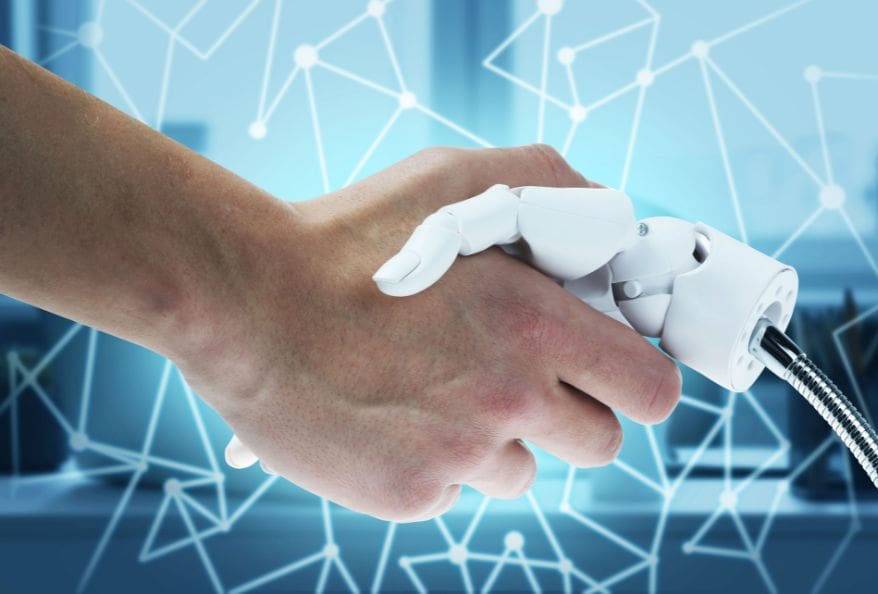
In the current Industry 5.0 revolution, human robot safety is becoming a very important issue. In this new time, people are the main focus and robots are smart helpers. Because of this, businesses now put systems that stop accidents before they happen at the top of their lists. In fact, the main ideas behind modern collaborative robot safety solutions are:
- Stop crashes before they happen
- Stay a safe distance away from machines and people
- Make it easy for people and robots to work together
This change makes sure that robots help workers without putting them in danger, which makes workplaces safer and more productive while improving human robot safety.
Ensuring Human Robot Safety in the Modern Workplace
To start, a robot needs to have a clear picture of its surroundings for better collaborative robot safety . YOLO (You Only Look Once) is now used by advanced systems to find people and things in real time. This lets robots act smartly instead of blindly.
Instead of just grabbing tools at random, robots find safe places to hold them. They pay attention to the handles of knives and scissors. At the same time, they stay away from edges that are sharp or dangerous. This method makes collaborative robot safety much better in everyday work.
Also, robots use a smart navigation system to get around safely. This system makes a moving safety zone around each person. This is what experts call a Gaussian costmap. When someone moves faster, the safety zone gets bigger, improving human robot safety in dynamic environments.
So, if someone runs by quickly, the robot changes its path right away. This proactive behavior stops accidents before they even start and strengthens human robot safety.
Human Robot Safety Technology and Smart Systems
Safe object handover is another important part of human robot safety. Robots don’t just drop things anymore. Instead, they wait for clear signs from people.
MediaPipe lets robots see gestures like a thumbs-up. This signal shows that the person has a strong grip. The robot only lets go of the object after that. This simple interaction makes working together feel safe and natural while improving collaborative robot safety .
Researchers also made BotBridge, a control system that is simple to use. This app works on regular tablets and makes it easier to use robots safely while supporting human robot safety.
Users can do the following with just a few taps:
- Tell the robot to look for certain tools
- Safely control movements
- Let the system do the hard work of figuring out safety
This means that even people who aren’t experts can use robots with confidence, enhancing overall human robot safety.
Results for Safety and Performance in the Real World
The system worked well in real-world tests in a variety of situations, proving strong collaborative robot safety performance. Researchers did 15 tests with people coming from different directions.
The results were great:
- Robots stayed at a safe distance of 30 to 60 cm
- They changed how they moved based on how fast people were moving
- They did a good job of avoiding sudden crashes
Also, while the robot was moving, it automatically went into a “safe pose.” This made it take up less space and less likely to bump into things or people by accident, further improving human robot safety.
Final Thoughts
Human robot safety is going to be a big part of Industry 5.0. This new method makes sure that robots help people without hurting them. Even better, these systems work on cheap robots with not much computing power.
This means that small businesses can also use advanced collaborative robot safety technology. In the future, robots will feel even more like trusted partners thanks to features like voice commands and smarter AI.
Additionally, to stay updated with the latest developments in STEM research, visit ENTECH Online.
Reference
- Cen Cheng, P. D., Blengini, C. L., Cavelli, R. F., Ripi, A., & Indri, M. (2026). A Framework for Safe Mobile Manipulation in Human-Centered Applications. Robotics, 15(4), 68. https://doi.org/10.3390/robotics15040068
- Author
- Latest Posts

Kottauppari Venkat Raghava
I am a technology-driven IT graduate with a strong passion for science and innovation. I am fascinated by how innovations like artificial intelligence, robotics, and emerging technologies are shaping our world. I specialize in analyzing complex scientific and technological research and presenting it in a clear, accessible way. My goal is to make science and technology understandable and engaging for students, tech enthusiasts, and professionals alike. By breaking down advanced concepts into simple, insightful narratives, I strive to inspire curiosity, learning, and innovation, helping readers stay informed about the breakthroughs that are shaping the future.