A new paradoxical insomnia heart rate variability study reveals how your heart may detect sleep even when your mind feels fully awake.
Paradoxical Insomnia Heart Rate Variability Study Explained
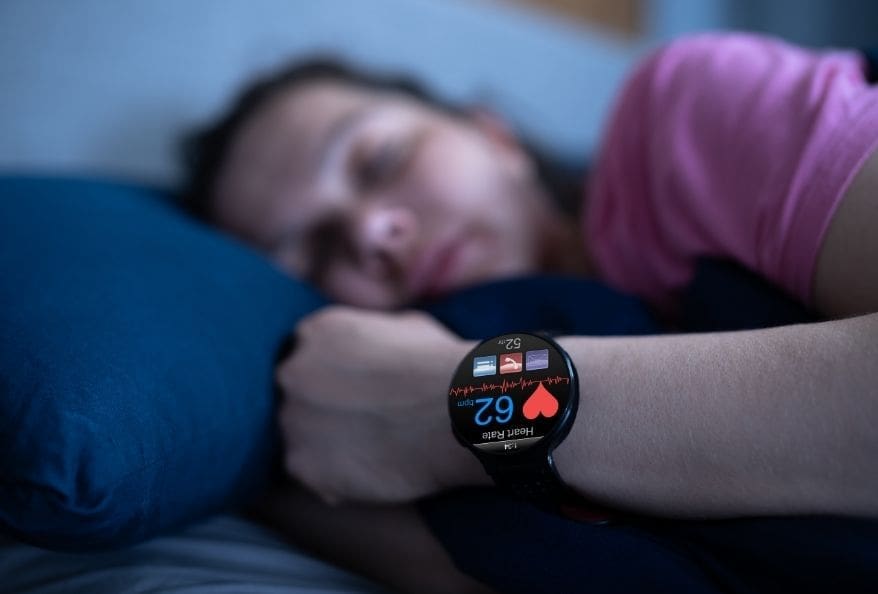
Imagine lying awake all night. You hear every sound. You feel every movement. However, your fitness tracker says you slept for hours. This confusing situation is real. Scientists call it paradoxical insomnia.
At present, researchers are exploring how the body reacts during this “fake wakefulness.” A new paradoxical insomnia heart rate variability study suggests your heart may reveal the truth.
Key Highlights
- People feel awake even when their brain is asleep
- Fitness trackers may detect sleep more accurately than perception
- Heart rate variability (HRV) reveals hidden stress signals
- The body may stay in “fight or flight” mode during sleep
- New research links HRV patterns with paradoxical insomnia
What Is Paradoxical Insomnia?
Most people with insomnia struggle to fall asleep. In contrast, paradoxical insomnia works differently. Patients feel awake even when their brain shows clear signs of sleep. This creates a mismatch between what they feel and what actually happens.
To explain, people may even talk or respond during sleep and forget it later. As a result, diagnosing this condition becomes difficult. After all, patients report exhaustion, even when sleep data looks normal.
Paradoxical Insomnia Heart Rate Variability Study Explained
Heart Rate Variability (HRV) measures the tiny time gaps between heartbeats. In general, higher HRV indicates relaxation. On the other hand, lower HRV suggests stress or alertness.
In this paradoxical insomnia heart rate variability study, researchers focused on Wake After Sleep Onset (WASO). They discovered that patients showed higher sympathetic activity during these periods. In other words, their bodies stayed in “fight or flight” mode even while asleep.
Paradoxical Insomnia Heart Rate Variability Study Findings
During WASO, people believe they are awake. However, their brain may still be resting. To illustrate, researchers found unusual HRV patterns linked to hidden stress.
As a result, the heart remains active overnight. This explains why patients wake up feeling tired, despite technically getting enough rest.
Engineering Innovations
This research relies heavily on biomedical engineering. Scientists use wearable sensors to monitor heart signals throughout the night. At first, these devices collect raw data. After that, algorithms process the signals and remove noise.
What’s more, comfort plays a major role. If a device is bulky, it may disturb sleep itself. Therefore, engineers must balance accuracy with usability.
At the same time, data scientists analyze large datasets. They study patterns across thousands of sleep cycles. As can be seen, technology is essential for understanding complex sleep disorders.
STEM Careers Linked to Paradoxical Insomnia
This field opens exciting career opportunities. Students interested in science and technology can explore multiple paths. These roles combine biology, data, and innovation.
For instance, biomedical engineers design wearable health devices. Neuroscientists study brain activity during sleep. Data scientists analyze HRV trends and sleep data. In addition, clinical researchers test new treatments, while software developers build tracking apps.
Why Paradoxical Insomnia Heart Rate Variability Study Matters
Sleep is essential for both mental and physical performance. Whether you are studying or playing sports, rest directly affects your results. However, paradoxical insomnia shows that sleep is not always what it seems.
This paradoxical insomnia heart rate variability study highlights how the body and mind can disagree. While the brain may rest, the body may still experience stress. As a result, patients feel tired even after a full night of sleep.
Final Thoughts on Paradoxical Insomnia
At last, this research reveals an important fact what you feel is not always real. Your heart may detect sleep even when your mind feels awake.Provided that research continues, better diagnostics and treatments will emerge.
Additionally, to stay updated with the latest developments in STEM research, visit ENTECH Online
Reference
- Kong, Y. E., Jung, A. H., & Min, S. D. (2026). WASO as a Stage-Resolved Window for Detectable HRV Differences in Paradoxical Insomnia. Technologies, 14(3), 192. https://doi.org/10.3390/technologies14030192
- Author
- Latest Posts

Kottauppari Venkat Raghava
I am a technology-driven IT graduate with a strong passion for science and innovation. I am fascinated by how innovations like artificial intelligence, robotics, and emerging technologies are shaping our world. I specialize in analyzing complex scientific and technological research and presenting it in a clear, accessible way. My goal is to make science and technology understandable and engaging for students, tech enthusiasts, and professionals alike. By breaking down advanced concepts into simple, insightful narratives, I strive to inspire curiosity, learning, and innovation, helping readers stay informed about the breakthroughs that are shaping the future.