Coconut fibers managed by millipedes provide another solution derived from food waste. Researchers turned these fibers into millicompost, a compost substitute for peat moss.
Turning Food Waste Into Farming Gold and Health Breakthroughs
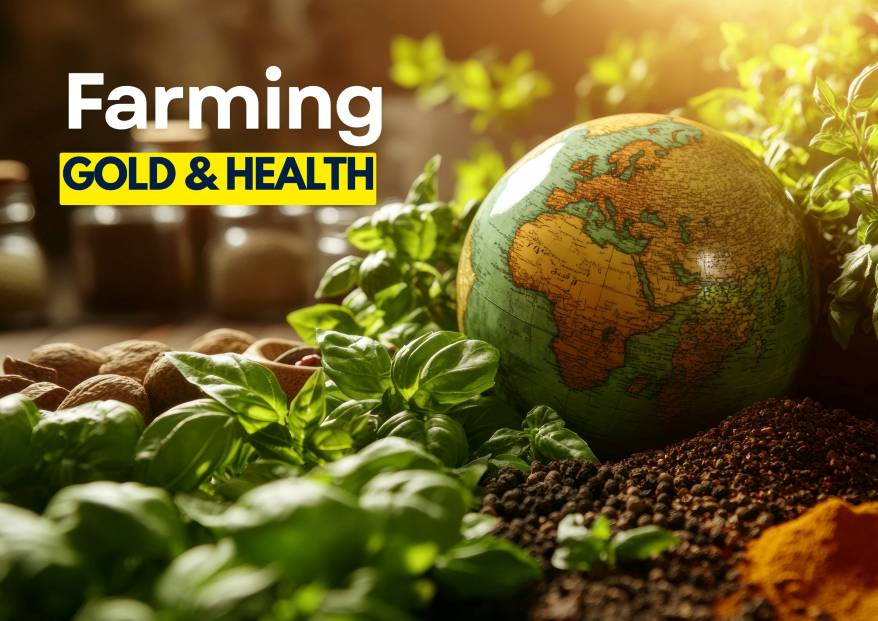
What if the food we throw away could help improve farming and health? Recent scientific studies show that food waste holds great value. Instead of treating scraps as trash, scientists turn them into tools to aid agriculture, boost digestion, and create medicines. Let’s explore how forgotten food becomes useful and helps build a better world.
Turning Farm Food Waste Into Crop Protectors
One exciting discovery involves sugar beet pulp. After sugar extraction, about 80% of the beet’s weight remains as pulp. Usually wasted, this pulp is rich in pectin carbohydrates. Researchers found they can use these carbohydrates to activate plants’ natural defense systems.
Sugar Beet Pulp Fights Crop Disease
This technique reduces the need for synthetic pesticides like chemical sprays. In lab tests, wheat plants treated with beet-pulp carbohydrates showed strong resistance against powdery mildew, a common plant disease. Instead of harmful chemicals, farmers could use safer natural protectors made from food waste and leftover crops.
This discovery offers a step toward sustainable agriculture while reducing environmental damage.
A Cleaner Approach to Farming Chemicals
The benefits extend beyond just wheat crops. Using this method could lower pesticide use globally. Also, producing natural pesticides from crop waste saves money and resources since the material comes free after harvesting sugar beets.
Greener Materials Help Seedlings Grow Stronger
Coconut fibers managed by millipedes provide another solution derived from food waste. Researchers turned these fibers into millicompost, a compost substitute for peat moss. Peat moss is widely used to start seedlings but harms delicate ecosystems when harvested.
Caring for Young Plants Sustainably
Peat moss and millicompost both contribute to the healthy growth of plants like bell peppers, but millicompost is even more effective. It is possible to safeguard water quality in the surrounding area and lessen the damage caused by peat harvesting by including compost made from coconuts.
An Eco-Friendly Solution for Urban Farming
When space is limited in urban areas, but farming continues to expand at a rapid rate, this environmentally friendly strategy is highly efficient. By combining a variety of green wastes and food waste with millicompost, nutrient-rich soil is produced. This soil provides plants with natural nourishment, which in turn helps urban gardens thrive in a sustainable manner over time.
Nutritional Value Found in Overlooked Greens
You might toss out radish tops before using just the roots but don’t anymore! These leafy parts are packed with dietary fiber and bioactive compounds, which support healthy digestion by promoting beneficial gut microbes.
The Power of Radish Tops for Gut Health
Studies show substances like polysaccharides and antioxidants collected from radish greens improve digestive wellness in lab animals. Experts believe similar results can apply to humans eating these nutritious greens regularly.
Add Radish Greens to Your Plate Today!
If you want more dietary fiber options besides fruits or grains, don’t forget radish tops next time you cook meals! Including such overlooked foods expands your nutrition while preventing vegetable waste and food waste after harvest.
Sustaining Valuable Compounds for Industry Use
The benefits don’t stop with farming or nutrition food waste also provides ingredients used in cosmetics and medicines! Scientists extracted antioxidant-rich compounds from beet leaves and then coated them into tiny microparticles using advanced drying technology called supercritical assisted atomization (SAA).
A Protective Coating Boosts Antioxidant Activity
The coating prevents delicate compounds from breaking down too quickly during manufacturing or storage. This breakthrough creates longer-lasting products with more health benefits than those made only from raw extracts alone.
A Future Rich With Bioactive Solutions From Leftovers
This knowledge opens doors where farm produce once thrown away becomes vital tools for growing food better or improving human health worldwide a promising outlook powered by science transforming what was once seen as “waste.”
Additionally, to stay updated with the latest developments in STEM research, visit ENTECH Online. Basically, this is our digital magazine for science, technology, engineering, and mathematics. Further, at ENTECH Online, you’ll find a wealth of information.
Reference
De Sousa Antunes, L. F., De Sousa Vaz, A. F., Da Costa Rodrigues Dos Santos, G., Ferreira, T. D. S., Santos, R. R. D., Alves, R. D. S., De Almeida, J. C., De Almeida Leal, M. A., & Correia, M. E. F. (2025). Replacing Commercial Substrate with Millicompost: A Sustainable Approach Using Different Green Wastes Combined with Millicompost for Bell Pepper Seedling Production in Urban Agriculture. ACS Omega, 10(37), 43129–43140. https://doi.org/10.1021/acsomega.5c06388
- Author
- Latest Posts

I’m a web developer and science writer with a Master’s degree in Computer Applications (MCA) from Pune University.
I work in tech, building websites and staying updated with the latest developments. I also love writing about physics, chemistry, technology, robotics, mathematics, and breakthrough innovations. My passion is breaking down complex scientific topics into simple, easy-to-understand stories.
My goal is to help everyone stay informed about the exciting changes happening in science and technology. I believe understanding science shouldn’t be complicated—it should be accessible to all.