A new invention of Inhaled Nanoparticle Tuberculosis Therapy for delivering medicine to the lungs.
Inhaled Nanoparticle Tuberculosis Therapy: The End of Daily Pills?
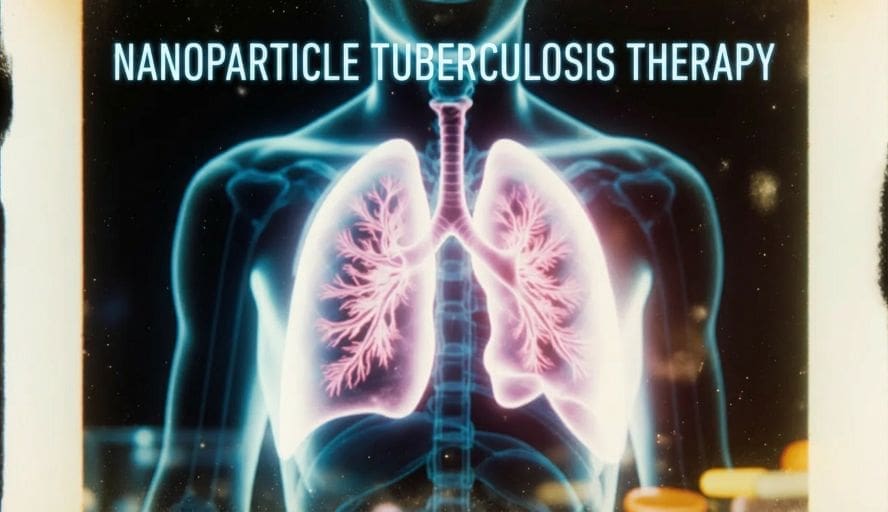
A new treatment method for tuberculosis has been developed by researchers: Inhaled Nanoparticle Tuberculosis Therapy. Tuberculosis remains a massive global health threat that causes over one million deaths every year. Doctors usually treat it with several antibiotics, but patients must take these pills for many months. Taking daily medication is very hard for some people to maintain consistently. If they stop, the bacteria become stronger and survive the next round of treatment. This leads to dangerous drug-resistant strains that are much harder to cure. To explain, scientists are looking for better ways to deliver medicine to the body.
Using Inhaled Nanoparticle Tuberculosis Therapy could change how we fight this lung infection forever. This method targets the site of infection directly rather than traveling through the blood. It offers a more efficient way to eliminate the pathogen without harming other organs.
Inhaled Nanoparticle Tuberculosis Therapy and Lung Delivery
A new study shares a very cool invention for delivering medicine to the lungs. Researchers created tiny nanoparticles to carry rifampin, which is a powerful drug used to fight tuberculosis. Usually, people swallow this medicine as a pill, but it often causes side effects. As a result, the drug travels through the whole body and can sometimes hurt the liver.
To point out, the tuberculosis bacteria live mostly in the lungs where they hide in cells. The team wanted to send the drug straight there using Inhaled Nanoparticle Tuberculosis Therapy techniques. They built “smart” bubbles called β-C-P nanoparticles that contain a PLGA core and a chitosan shell. At the same time, they added β-glucan to the surface to act like a key. This key helps the bubbles find macrophages, which are the specific immune cells where the bacteria hide.
Better Results with Inhaled Nanoparticle Tuberculosis Therapy
The team tested these nanoparticles in mice using two different disease models for accuracy. At first, they compared weekly inhalation to daily oral pills to see which was better. The results of the Inhaled Nanoparticle Tuberculosis Therapy were quite amazing to the research team. One dose per week worked just as well as daily pills taken by mouth. In fact, the nanoparticles kept the drug levels high for seven full days.
Prior to this, most inhaled drugs washed away quickly and required frequent dosing. The study showed no signs of lung toxicity, meaning the treatment is very safe. The mice stayed healthy during the treatment and did not lose any weight. What’s more, the nanoparticles even helped the immune system recognize the infection faster.
Overcoming Biological Barriers with Nanotechnology
To explain the success of this study, we must look at how cells work. The lung environment is very good at pushing out foreign objects through mucus. However, the Inhaled Nanoparticle Tuberculosis Therapy uses chitosan to stick to the lung lining. This ensures the medicine does not get coughed out or swallowed by mistake. The PLGA core then releases the rifampin at a very slow and steady rate.
To illustrate, it acts like a timed-release capsule specifically for your respiratory system. This precision prevents the high spikes of drugs that usually cause nausea in patients. All things considered, the engineering of the shell is the most important part. By using biocompatible materials, the body does not attack the delivery bubbles themselves. This allows the medication to reach the deep alveoli where the germs reside. At this point, the therapy becomes a powerful tool for global health experts.
STEM Careers and Inhaled Nanoparticle Tuberculosis Therapy
Are you interested in science and technology and how they help people? This research shows how engineering saves lives through creative design and testing. Biomedical engineers design these tiny delivery systems using advanced Inhaled Nanoparticle Tuberculosis Therapy principles. They use chemistry to build the shells so they do not break too early. They also use biology to understand the immune system and its response to germs.
You can learn more about STEM education and its impact on the world and your future. There are many lucrative careers in the science field for curious students who enjoy solving problems. You could become a nanotechnologist and build machines smaller than a human hair. You might also work as a pharmacologist to discover new life-saving vaccines. As a matter of fact, the world needs more STEM innovators to tackle global issues.
Additionally, to stay updated with the latest developments in STEM research, visit ENTECH Online.
References
Kutscher, H. L., Tamblin, M., Smith, E., Shah, A., Kenney, P. O., & Reynolds, J. L. (2026). Repeated pulmonary dosing of β-glucan-chitosan-PLGA nanoparticles controls Mycobacterium tuberculosis in mice. Antimicrobial Agents and Chemotherapy, 70(2). https://doi.org/10.1128/aac.01480-25
- Author
- Latest Posts

A Master’s-qualified Zoologist with a focus on Limnology, I combine hands-on laboratory experience with a sophisticated background in science communication. My career is defined by an interdisciplinary approach to the life sciences, merging technical research skills with a proven ability to teach and engage diverse audiences. I am committed to lifelong learning and the creative dissemination of medical and biological research, ensuring scientific literacy and inspiration remain at the forefront of the field.