Understanding Your Medication Schedule Knowing the Dosage and Timing To achieve optimal health through your medication routine, it’s important to first understand your medication dosage and timing. Each drug works most effectively when taken as…
Mastering Your Medication Routine for Optimal Health
Understanding Your Medication Schedule
Knowing the Dosage and Timing
To achieve optimal health through your medication routine, it’s important to first understand your medication dosage and timing. Each drug works most effectively when taken as prescribed. Dosages may vary depending on individual patient needs, and some medications may require once‑daily intake while others need to be taken two or three times a day. In short, maintaining a consistent medication routine for optimal health and following your doctor’s instructions ensures maximum effectiveness and supports better long-term wellness.
Importance of Consistency
Above all, taking medication consistently is vital. If you skip doses, the medication might not work properly. As a result, this could worsen your condition. It is essential to remember that, sooner or later, irregular intake can lead to complications. With this in mind, aim to set a routine for your medication.
Setting Reminders Effectively
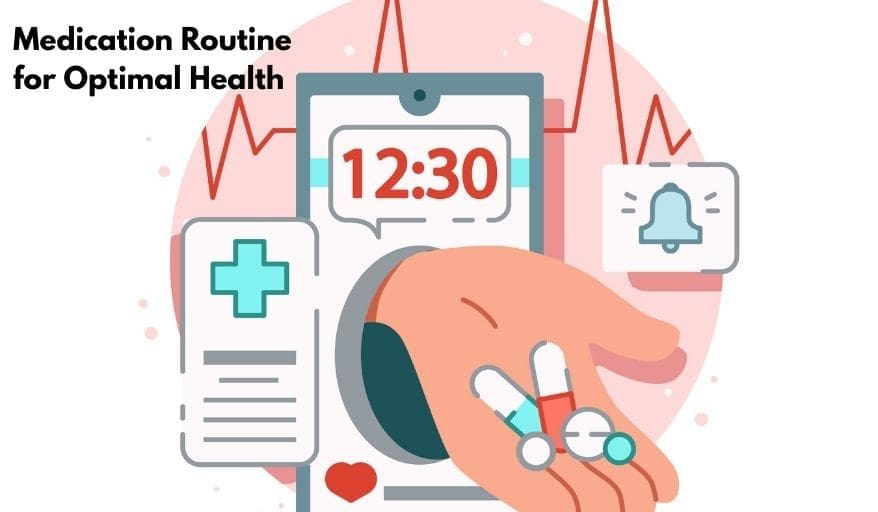
To explain, setting reminders helps maintain a steady schedule. Use alarms on your phone as simple prompts. Analogous to other daily tasks, integrating medication into your routine ensures consistent intake. At this time, apps are also available that remind you about medications. This is especially useful for complex medication regimens. To point out, you can also try pill organizers. These tools categorize doses by day and time. Above all, the goal is to ensure you don’t miss a dose.
In conclusion, understanding dosages, maintaining consistency, and setting effective reminders help manage your medication regimen. After all, these steps build a foundation for better health management. So long as you maintain this routine, you will likely see positive effects. To summarize, take your medications as instructed, be consistent, and remember to use reminders.
Common Mistakes to Avoid

Skipping Doses
Skipping doses is a frequent mistake. At first, missing a dose may seem harmless. But skipping doses leads to reduced drug effectiveness. Eventually, the illness may not improve. To illustrate, consider a patient on antibiotics. If they skip doses, bacteria can survive and multiply. To put it another way, the medication may not fully clear the infection.
Ignoring Label Instructions
Another key point to note is label instructions. These provide essential guidelines. They include dosage, frequency, and dietary restrictions. Ignoring these instructions might cause side effects. Or, the drug may not work as intended. To put it differently, proper instructions help achieve the best results. Always read labels before taking medication. Also, ask a pharmacist for clarity if needed.
Mixing Medications Incorrectly
At this point, let’s address mixing medications incorrectly. This is a risky mistake. Some drugs interact adversely when mixed. For example, mixing a painkiller with alcohol can pose dangers. Sooner or later, such combinations lead to harmful effects. Seeing that, it’s crucial to consult a healthcare provider. They can advise if drugs can be safely combined. Another key point is maintaining a list of all medications you take. This helps both patients and doctors prevent harmful interactions.
All in all, these common mistakes are avoidable. With attention to instructions and regular consultations, patients can manage medications effectively. Above all, staying informed helps minimize risks and promotes better well-being. To sum up, careful adherence to prescriptions ensures optimal treatment outcomes. Therefore, taking medication as prescribed holds paramount importance. Lastly, keeping open communication with healthcare providers can enhance safety and health outcome.
Tools to Help Manage Medications
Using Medication Apps
Medication apps can keep things simple. They track doses, times, and new prescriptions. At this time, many apps send reminders for each dose. As a result, you will never miss a pill. Some apps even let you share information with your doctor. With this in mind, apps simplify communication. Choose an app that suits your needs and routine.
Pill Organizers
Pill organizers help visually track your medicines. They come in different styles. Some have daily slots, while others offer weekly sorting. At the present time, many people rely on these tools. As an illustration, a weekly organizer can sort pills by morning and evening. This makes it easy to know what to take and when. Another key point is, they cut down confusion with multiple medications. All in all, pill organizers are simple yet effective.
Smart Reminders
Smart reminders adapt to your schedule. They notify you based on time or place. For instance, they can alert you when leaving home. To put it differently, they adapt to your activities. You can link them to your phone, tablet, or smart speaker. What’s more, some smart watches also offer reminders. So far, these tools have gained popularity. Take the case of someone busy with work: a quick reminder ensures no dose is missed. To sum up, using smart reminders reduces the risk of missed doses.
In short, these tools take the guesswork out of medication management. Choose what fits best for you. Above all, consistency is key so long as you use these tools regularly.
Communicating with Healthcare Providers
Asking the Right Questions
At first, having questions ready helps in doctor visits. Make a list as a guide. Prior to the visit, write down concerns and symptoms. Such as, “Why is this medicine needed?” Another key point, ask about alternatives available. With this in mind, clarity on medication purpose is key. Also, ask about the duration of treatment. To that end, ensure understanding of risks and benefits.
Updating on Side Effects
At the present time, inform doctors about side effects. To explain, note new symptoms promptly. For instance, if you feel dizzy, tell them. Sooner or later, side effects may worsen if missed. At length, provide a detailed account of your experience. By and large, this helps with medication management. What’s more, early detection aids prevention of severe issues. Provided that you communicate well, your doctor can adjust treatment plans accordingly.
Discussing Dosage Adjustments
To put it another way, dosage needs change sometimes. As an illustration, as conditions improve, doctors may lower doses. Another key point, mention missed doses or changes made independently. So far, honesty ensures proper advice from your provider. Similarly, ask about what to do if a dose is missed. As a result, patients stay informed on their regimen. All in all, open dialogue leads to better health. With this intention, maintain a record of medication intake. To conclude, communication ensures safety and efficacy.
Developing a Supportive Environment
Involving Family Members
At the same time, family members help create a supportive medication routine. They remind patients to take their pills at the right time. To explain, they can set reminders on phones or watches. Above all, they monitor any side effects and report unusual symptoms. With this intention, regular communication ensures everyone stays informed. By all means, this fosters trust and accountability. At any rate, involving family reduces feelings of isolation during treatment.
Creating a Routine Spot
At first, choose a specific spot for storing medications. As a result, this routine eliminates confusion. After that, patients associate the spot with taking medicine. To illustrate, a kitchen counter or bathroom cabinet works well. Provided that the spot is easy to access, it encourages consistency. To point out, ensure that the area stays organized. Each day, patients find it easier to keep to the routine.
Reducing Distractions
At the same time, reducing distractions keeps the focus on taking medications. With attention to minimizing noise, create a calm environment. To clarify, turn off TVs and silence phones during medication times. Another key point is addressing any household interruptions. By and large, distractions lead to missed doses or mistakes. While this may be true, simple changes yield better focus. To sum up, a quiet space supports a successful routine.
To summarize, a supportive environment boosts the effectiveness of a medication regimen. Family involvement and a dedicated medication spot play key roles. At the present time, small adjustments make a big difference in consistency. In fact, these habits ease anxiety about taking medications. Soon enough, they become second nature. As can be seen, every detail contributes to a more successful treatment plan.
Staying Informed About Your Medications
Reading Trusted Sources
At first, rely on trusted sources for medication information. Good sources include official medical websites and health apps. These platforms often give reliable details. As a matter of fact, checking these can prevent misinformation. Above all, consult your doctor for personalized advice. They will guide you based on your health needs.
To illustrate, the FDA website provides drug updates and recalls. Similarly, pharmacies offer leaflets with prescriptions. These leaflets simplify complex information. In addition, some apps track your medication schedule. They notify you about doses and refills. All in all, using these tools helps you manage your medications confidently.
Understanding Possible Interactions
Above all, knowing drug interactions is essential. Some medicines interact negatively with others. At this point, it’s vital to check all your medications. This includes prescriptions and over-the-counter drugs. After that, review any supplements or herbal remedies. They may also affect medication effectiveness.
To point out, certain foods impact how drugs work. For example, grapefruit can interfere with specific medicines. Likewise, alcohol may intensify side effects. At least, always follow dosage instructions. They exist to help avoid these problems.
With this intention, maintain a list of all your current pills. Update it when your doctor changes any medication. As a result, you can easily share this list during medical visits. Seeing that different providers may prescribe drugs, it keeps everyone informed.
To summarize, proactive steps ensure medication safety. While this may be true, never hesitate to ask questions. Another key point is to keep communication open with your healthcare team. They offer vital insights about drug interactions.
In conclusion, understanding medications supports better health outcomes. With this in mind, staying informed and aware protects you. By and large, it’s a small effort with significant benefits at any rate.
Benefits of a Well-Managed Medication Regimen
Improved Health Outcomes
At the present time, sticking to a medication plan boosts health outcomes. Regular intake of medication aids in managing chronic diseases effectively. For instance, hypertension patients often see better results when they keep up with their prescriptions. This helps prevent complications, such as strokes or heart attacks. Besides, keeping to a regimen can stabilize conditions, reducing severe symptoms. So long as patients follow their prescribed plans, they enjoy a better quality of life. Another key point is that this consistency minimizes hospital visits and interventions.
Reduced Healthcare Costs
By and large, a well-managed regimen cuts down healthcare expenses. Patients spend less on additional treatments since they manage their conditions proactively. At the same time, insurers also benefit as they face fewer claims. All things considered, prevention is more cost-effective than emergency care. As I have noted, regular medication prevents costly health crises. Sooner or later, these savings add up for both individuals and healthcare systems. To put it another way, spending a bit on regular meds saves larger future costs.
Increased Wellness and Peace of Mind
Medication regimens also enhance wellness. Such routines create a structured environment where patients feel in control. This regularity brings peace of mind and reduces anxiety related to their illnesses. With this intention, patients can engage in everyday activities with confidence. Moreover, family members feel assured knowing their loved ones remain on track. To the end that everyone sleeps better at night, adherence becomes crucial. While this may be true, it is important to personalize regimens to suit individual needs. As an illustration, personalized plans ensure maximum comfort and effectiveness. All in all, committing to a regimen results in a healthier and happier life.
FAQs
Why is mastering your medication routine important?
It ensures medications work effectively and reduces the risk of missed doses or complications.
How can I improve my medication routine?
Use reminders, pill organizers, and follow a consistent daily schedule.
What happens if I don’t follow my medication routine properly?
Poor adherence can lead to reduced treatment effectiveness and worsening health conditions.
Additionally, to stay updated with the latest developments in STEM research, visit ENTECH Online.
Reference
Aremu, T. O., Oluwole, O. E., Adeyinka, K. O., & Schommer, J. C. (2022). Medication Adherence and Compliance: Recipe for improving patient outcomes. Pharmacy, 10(5), 106. https://doi.org/10.3390/pharmacy10050106
Disclaimer: We do not intend this article/blog post to provide professional, technical, or medical advice. Therefore, please consult a healthcare professional before making any changes to your diet or lifestyle. In fact, we use AI-generated images for illustration and decoration. Their accuracy, quality, and appropriateness can differ. So, users should avoid making decisions or assumptions based only on the text and images.
- Author
- Latest Posts

I completed my Master of Science from the University of Allahabad in 2017 with a strong academic background in life sciences and chemistry. My specialization included Molecular Biology, Microbiology, Genetics, Plant Breeding, Phycology, Paleobotany, and Bioinformatics, along with Organic Chemistry, Inorganic Chemistry, and Physical Chemistry. This multidisciplinary training provided me with a comprehensive understanding of biological systems and analytical scientific approaches.
After completing my postgraduate studies, I gained valuable professional experience in both the education and social development sectors. I worked at A.M. Oxford Public School, where I was actively involved in guiding students toward academic excellence. In this role, I focused on creating an engaging learning environment, encouraging critical thinking, and nurturing students’ curiosity for scientific learning. My experience as an educator strengthened my communication, mentoring, and classroom management skills.
In addition to my teaching experience, I worked with Jeevan Jagriti Foundation, where I contributed to community-based initiatives aimed at improving educational access and awareness among underprivileged sections of society. Through this work, I participated in programs designed to support social development and promote the value of education in marginalized communities.
These professional experiences helped me develop strong interpersonal, leadership, and organizational skills while reinforcing my commitment to education and community service.