In Introduction to Pharmaceutical Biotechnology, we explore the fundamentals, applications, and emerging trends in biologics.
Introduction to Pharmaceutical Biotechnology: Concepts, Applications, and Emerging Trends

Pharmaceutical Biotechnology is transforming modern medicine at an unprecedented pace. Rather than relying solely on traditional chemicals or pills, scientists now harness living cells to develop powerful therapies. This innovative field merges biology, genetics, and engineering to create advanced drugs that save lives. Today, pharmaceutical biotechnology produces treatments for complex conditions such as cancer, diabetes, and rare genetic disorders, making it a cornerstone of cutting-edge healthcare. In this article, we will discuss the introduction to pharmaceutical biotechnology, its applications and emerging trends.
Key Takeaways
- Pharmaceutical biotechnology applies biological systems and molecular techniques to develop therapeutic drugs and vaccines.
- It focuses on biologics such as monoclonal antibodies, recombinant proteins, and gene-based therapies.
- It integrates genetics, microbiology, immunology, and bioinformatics in drug development.
- It supports personalized medicine by designing treatments based on genetic profiles.
- It enhances large-scale production of safe and effective biopharmaceutical products.
Introduction to Pharmaceutical Biotechnology
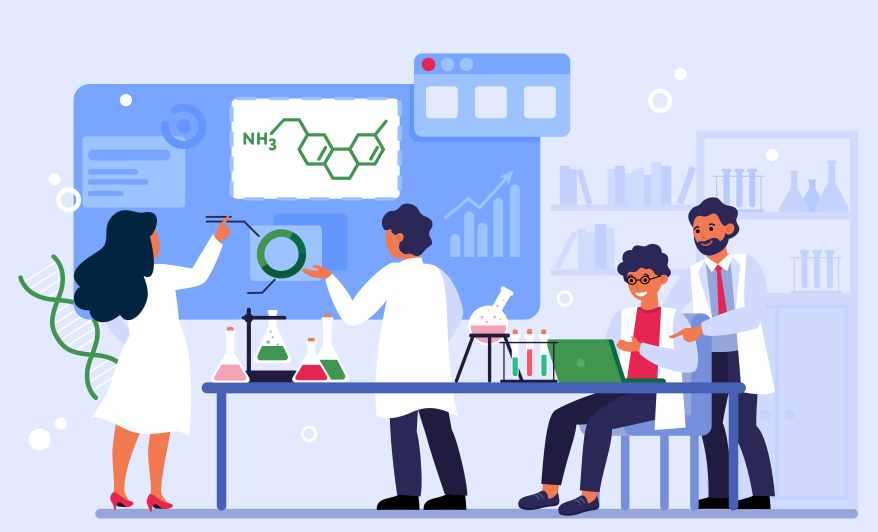
At first, we must define this science clearly. It uses living organisms to make medical products. These include bacteria, yeast, and even mammalian cells. Prior to this, most drugs came from chemical synthesis in labs. B medicines are much larger and more complex. They often mimic proteins found naturally in your body. As a result, they can target diseases with extreme precision.
Introduction to Pharmaceutical Biotechnology: For Better Medicines
The process starts with Genetic Engineering. Scientists change the DNA of a host cell. After that, the cell follows the new genetic instructions. It begins to produce a specific therapeutic protein. To illustrate, take the case of insulin for diabetics. Prior to biotech, we got insulin from cows or pigs. At the present time, we grow it in recombinant bacteria. This makes the medicine safer and more effective for humans.
Key Types of Biotech Drugs
To enumerate, several categories of biologic drugs exist today.
- Monoclonal Antibodies: These target specific cells like guided missiles.
- Vaccines: They train your immune system to fight viruses.
- Gene Therapy: This fixes broken genes inside your own cells.
- Recombinant Proteins: These replace missing hormones or enzymes.
These innovations have changed healthcare globally. With this in mind, doctors can now treat once incurable conditions.
Exciting Careers for Students
While this may be true, you need a plan for your future. STEM careers in this field are growing very fast. Students who enjoy biology and math will thrive here. To point out, you could become a biomedical engineer. You might also work as a clinical researcher or bioinformatician. At any rate, the world needs more scientists in labs. So as to join, focus on your science classes now. Many universities offer specialized degrees in bioprocessing and genomics.
The Path to Discovery
Tthe work in a lab is very rewarding. You might design a new delivery system for mRNA. Or, you could study how plants produce vaccines. Another key point is the use of computers in drug design. At this time, AI helps engineers predict how proteins fold. This speeds up the discovery of new life-saving cures. It makes healthcare more personal for every patient.
Looking at the Big Picture
All things considered, this field is about helping people. It bridges the gap between nature and technology. So long as we keep learning, we can stop pandemics. To sum up, Pharmaceutical Biotechnology is the future of human health. At last, we have the tools to fix diseases at the source. With this intention, the next generation will lead the way. You can start your journey into science right now.
Conclusion
Pharmaceutical biotechnology is a powerful force in modern medicine. It uses living cells to create complex treatments. As a result, doctors can now treat diseases with high precision. Prior to these innovations, many genetic conditions were hard to manage. To explain, recombinant DNA technology allows us to grow human insulin. This makes the medicine both safe and very effective. At the present time, STEM students can find many career paths here. All things considered, this field bridges the gap between biology and engineering. It provides a bright future for human health.
Future Prospects of Pharmaceutical Biotechnology
Pharmaceutical biotechnology is rapidly transforming the landscape of modern medicine by integrating biological sciences with advanced technological innovations. In the coming years, the field is expected to expand significantly due to breakthroughs in genomics, proteomics, and bioinformatics. One of the most promising prospects lies in personalized medicine, where therapies are tailored to an individual’s genetic profile, improving treatment efficacy and minimizing adverse effects. The continued development of biologics, including monoclonal antibodies, recombinant proteins, and cell-based therapies, will further enhance targeted treatment strategies for complex diseases such as cancer, autoimmune disorders, and rare genetic conditions.
Gene editing technologies, particularly CRISPR-based systems, are anticipated to revolutionize disease management by enabling precise correction of genetic defects. Additionally, advances in mRNA platforms, nanotechnology-based drug delivery systems, and artificial intelligence-driven drug discovery are accelerating the development pipeline while reducing costs and timelines. Biopharmaceutical manufacturing is also evolving through continuous processing and improved bioreactor designs, ensuring scalable and sustainable production.
FAQs
What is Pharmaceutical Biotechnology?
Pharmaceutical biotechnology is the application of biological systems and biotechnological techniques to develop drugs and therapeutic products.
What types of products are developed in Pharmaceutical Biotechnology?
It produces biologics such as vaccines, monoclonal antibodies, recombinant proteins, and gene therapies.
Why is Pharmaceutical Biotechnology important?
It enables targeted, effective, and innovative treatments for complex and chronic diseases.
Additionally, to stay updated with the latest developments in STEM research, visit ENTECH Online.
Reference
Ahmad, S., Faraz, M., Abass, K. S., Ahmad, I., & Farid, A. (2025). Introduction to Pharmaceutical biotechnology. In Pharmaceutical biotechnology (pp. 1–13). https://doi.org/10.1201/9781003633976-1
- Author
- Latest Posts

I completed my Master of Science from the University of Allahabad in 2017 with a strong academic background in life sciences and chemistry. My specialization included Molecular Biology, Microbiology, Genetics, Plant Breeding, Phycology, Paleobotany, and Bioinformatics, along with Organic Chemistry, Inorganic Chemistry, and Physical Chemistry. This multidisciplinary training provided me with a comprehensive understanding of biological systems and analytical scientific approaches.
After completing my postgraduate studies, I gained valuable professional experience in both the education and social development sectors. I worked at A.M. Oxford Public School, where I was actively involved in guiding students toward academic excellence. In this role, I focused on creating an engaging learning environment, encouraging critical thinking, and nurturing students’ curiosity for scientific learning. My experience as an educator strengthened my communication, mentoring, and classroom management skills.
In addition to my teaching experience, I worked with Jeevan Jagriti Foundation, where I contributed to community-based initiatives aimed at improving educational access and awareness among underprivileged sections of society. Through this work, I participated in programs designed to support social development and promote the value of education in marginalized communities.
These professional experiences helped me develop strong interpersonal, leadership, and organizational skills while reinforcing my commitment to education and community service.