AI ship monitoring using lightweight MobileNet technology allows vessels to detect nearby ships instantly, improving maritime safety while reducing computing power.
AI Ship Monitoring: Smart Tech Protects the Seas
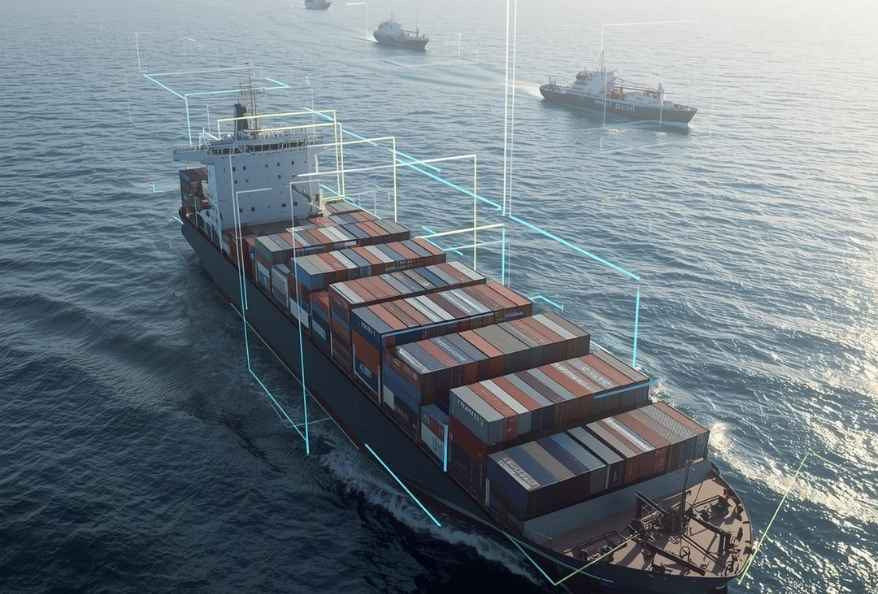
Global shipping moves most of the products people use every day. Massive cargo ships transport food, electronics, and clothing across oceans. However, these ships face constant threats such as piracy, collisions, and severe weather conditions. Because of these risks, AI ship monitoring technologies are becoming an important part of modern maritime safety.
Researchers are now developing lightweight artificial intelligence systems that help ships identify nearby vessels in real time. These systems allow ships to process visual data directly onboard without relying on expensive satellite communication.
Lightweight AI for Ocean Safety
Most artificial intelligence systems require powerful computers and large amounts of electricity. This creates challenges for ships operating far from shore. Internet connections at sea are often slow and costly, making remote data processing difficult.
To solve this problem, researchers modified a neural network model called MobileNet. This model is known for being small and efficient, making it ideal for devices with limited computing power.
Why MobileNet Works for Ships
The modified MobileNet model functions as a lightweight classifier that quickly identifies objects in images. Instead of sending images to remote servers, ships can analyze visual data directly on onboard devices.
As a result, the AI ship monitoring system can detect nearby vessels within milliseconds. This allows crews to respond faster to potential risks while reducing reliance on radar alone.
Previously, sailors mainly depended on radar systems and manual observation. Now computer vision technology provides an additional set of digital eyes that continuously monitor surrounding waters.
How the AI Model Improves Efficiency
Researchers focused heavily on improving computational efficiency. Their goal was to ensure the system could run smoothly on small, low-power devices.
Depth wise Separable Convolutions in AI Ship Monitoring
One key improvement involves a technique known as depth wise separable convolutions. This method significantly reduces the number of calculations required for image recognition.
Because the model performs fewer operations, it consumes less energy while maintaining high accuracy. This balance between speed and accuracy makes the system suitable for maritime environments.
Testing the AI Ship Monitoring System
The research team evaluated the model using a large maritime dataset containing thousands of ship images. These images included cargo ships, cruise ships, warships, and fishing vessels.
During testing, the model demonstrated impressive performance. It successfully distinguished between different vessel types with high accuracy and extremely fast processing times.
In addition, the lightweight design ensures the system requires minimal battery power. This makes it particularly useful for ships that rely on limited onboard computing resources.
Energy Savings and Sustainable Technology
Another important benefit of AI ship monitoring is reduced energy consumption. Smaller AI models require less computing power, which lowers electricity usage onboard vessels.
Lower energy usage supports sustainability goals within the global shipping industry. As companies look for ways to reduce environmental impact, efficient technologies like lightweight AI become increasingly valuable.
With continued innovation, maritime technology may become both safer and more environmentally friendly.
Future of AI Ship Monitoring
AI technology is expected to play a larger role in maritime navigation in the coming years. Smart monitoring systems could eventually support semi-autonomous or fully autonomous ships.
Researchers also believe that edge computing solutions like modified MobileNet will continue improving. These systems allow vessels to analyze data locally without constant communication with cloud servers.
Because of this capability, AI ship monitoring could soon become a standard safety tool for commercial shipping fleets worldwide.
Additionally, to stay updated with the latest developments in STEM research, visit ENTECH Online.
Reference:
- Satrya, G. B., Kurniawan, F., Budiman, G., Pristisahida, A. O., Moesdradjad, B. K. P., Ramatryana, I. N. A., & Choutri, S. E. (2026). Sustainable Maritime Applications with Lightweight Classifier Using Modified MobileNet. Technologies, 14(3), 161. https://doi.org/10.3390/technologies14030161
- Author
- Latest Posts

Kottauppari Venkat Raghava
I am a technology-driven IT graduate with a strong passion for science and innovation. I am fascinated by how innovations like artificial intelligence, robotics, and emerging technologies are shaping our world. I specialize in analyzing complex scientific and technological research and presenting it in a clear, accessible way. My goal is to make science and technology understandable and engaging for students, tech enthusiasts, and professionals alike. By breaking down advanced concepts into simple, insightful narratives, I strive to inspire curiosity, learning, and innovation, helping readers stay informed about the breakthroughs that are shaping the future.