Explore the basics of Pharmaceutical Organic Chemistry, covering drug design, organic reactions, functional groups, and medicinal applications.
Basics of Pharmaceutical Organic Chemistry: Fundamental Concepts and Applications
Basics of Pharmaceutical Organic Chemistry
In basics of Pharmaceutical organic chemistry, we study the carbon compounds in drugs. Scientists design these compounds to treat diseases. Above all, it combines organic chemistry with medicine. This field creates safe and effective medicines. To illustrate, many drugs come from natural sources. Also, chemists modify them for better use. At first, early drugs used plant extracts. After that, synthetic methods improved them. So far, this work has saved many lives. All in all, it remains key to health care.
What is Pharmaceutical Organic Chemistry?
Organic chemistry focuses on carbon-based molecules. In pharmaceuticals, it targets drug design. Chemists build structures that interact with body targets. For example, drugs bind to proteins. This binding stops disease processes. As a matter of fact, most drugs are small organic molecules. What’s more, they must enter cells easily. To explain, solubility affects how drugs work. Poor solubility blocks absorption. So, chemists adjust groups to fix this. At the present time, tools like computers help predict designs. With this in mind, research speeds up new drug creation. Balanced against costs, benefits outweigh risks. To sum up, this chemistry drives medical progress.
Key Takeaways
- It studies the structure, properties, and reactions of organic compounds used in drug development.
- It explains functional groups and their role in drug activity and reactivity.
- It covers stereochemistry and its importance in drug effectiveness and safety.
- It describes reaction mechanisms essential for synthesizing pharmaceutical compounds.
- It connects organic chemistry principles with medicinal and therapeutic applications.
History and Development
Drugs began with natural products. Ancient healers used plants for pain relief. For instance, willow bark gave salicylic acid. This led to aspirin in 1899. Prior to that, all remedies came from nature. At any rate, the 19th century brought synthetic drugs. Chloral hydrate appeared in 1869 as a sedative. After all, coal-tar dyes inspired early chemists. They created phenacetin for fever. To enumerate, the 20th century saw barbiturates for sleep. As has been noted, natural sources inspired many synthetics. Captopril, from snake venom, treats high blood pressure. Seeing that, Brazil’s biodiversity offers leads. However, regulations slow access. So long as funding grows, innovation continues. All things considered, history shows chemistry’s role in healing.
Key Concepts: Functional Groups
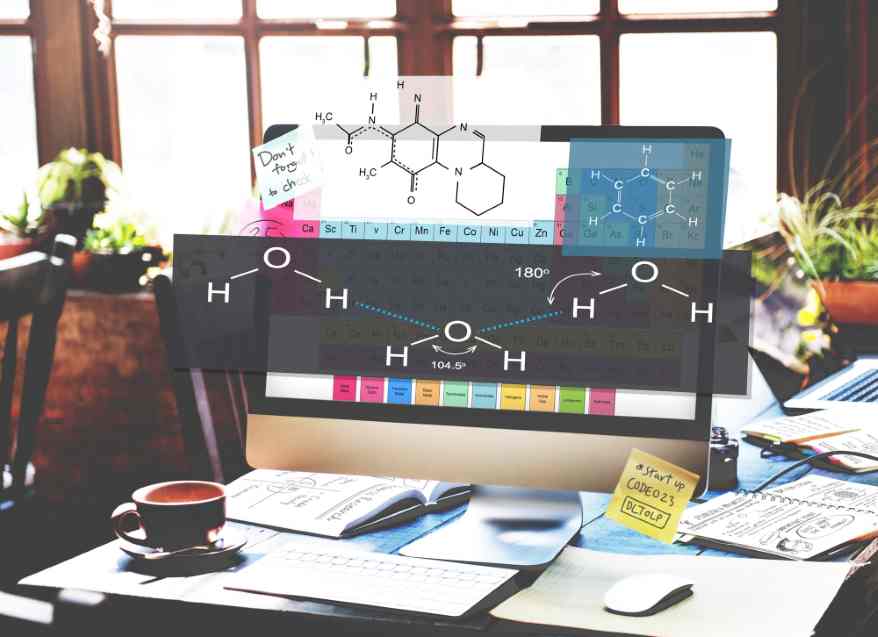
Functional groups define molecule behavior. They are atom sets like alcohols or amines. In drugs, they control solubility and binding. For example, hydroxyl groups add water solubility. Acids and bases affect pH response. To illustrate, carboxylic acids ionize in blood. This aids transport. As well as, amines bind receptors. Stereochemistry matters too. Chiral centers create mirror images.
One form may work, the other not. What’s more, heterocycles like rings with nitrogen are common. They mimic natural signals. At this point, analysis tools identify groups. NMR and mass spectrometry help. With the result that, chemists optimize for safety. After that, tests check metabolism. To put it differently, groups influence drug life in body. Such as, esters break down faster. All in all, groups shape drug success.
Nomenclature and Structure
Names follow IUPAC rules. They describe carbon chains and groups. For instance, methane becomes methanol with OH. In drugs, complex names show positions. 1,2,4-substitution patterns dominate benzenoids. These rings form drug cores. To repeat, patterns stay constant over time. As an illustration, aspirin is 2-(acetyloxy)benzoic acid. This names the acetyl on benzene. Prior to synthesis, names guide planning. At the same time, software draws structures. To that end, databases store millions. However, some tools miss isomers. Akamptisomerism needs better rules. With this purpose in mind, updates clarify. So as to avoid errors, precise names matter. To list, chains use alkane bases. Branches add prefixes. Summing up, nomenclature aids clear communication.
Reactions and Synthesis
Synthesis builds drugs from simple starts. Reactions form bonds between carbons. For example, C-H functionalization adds groups directly. This skips hard steps. As a result, natural products modify easily. Enzymes catalyze selective changes. To explain, photoredox uses light for bonds. It enables new drug shapes. At first, high-throughput tests conditions. After that, scale-up produces batches.
What’s more, bio-orthogonal links drugs to proteins. This targets delivery. Provided that purity is high, efficacy rises. To point out, modifications boost stability. For instance, adding halogens improves potency. While it may be true, some reactions need green methods. At length, machine learning predicts outcomes. So that, discovery accelerates. In the present time, these tools transform labs. To put it another way, synthesis unlocks chemical space (Yamaguchi et al., 2012; Campos et al., 2019).
Stereochemistry in Drugs
Stereoisomers have same formula, different arrangements. Chirality creates left and right forms. In body, one may heal, the other harm. For example, thalidomide’s forms differ in effect. One calms, the other causes birth defects. As can be seen, pure forms are vital. To illustrate, enzymes prefer one handedness. Nomenclature marks R or S. At this instant, chromatography separates them. With attention to purity, drugs work best. Another key point, rings add complexity. Polycyclic structures fold uniquely. So far, rules evolve for new types. After all, databases must update. To summarize, stereochemistry ensures safety.
Applications in Drug Design
Design links structure to activity. SAR studies change groups for effects. For instance, modifying natural products enhances binding. Opioids from poppies now treat pain better. As well as, heterocycles fight cancer. Their rings fit DNA sites. To enumerate, antibiotics use beta-lactams. These rings kill bacteria. At the present time, AI aids design. It suggests leads from data. Balanced against failures, successes guide. Such as, captopril saves hearts. All in all, applications improve lives. While this may be true, challenges remain. Metabolism can inactivate drugs. So, prodrugs activate in body. To rephrase it, design solves real needs.
Future Directions
Future focuses on smart synthesis. Machine learning invents reactions. Green chemistry reduces waste. As a result, costs drop. To illustrate, nanotechnology delivers drugs. Organic coatings target cells. What’s more, biodiversity inspires. Brazil’s plants hold promise. Provided that access improves, new drugs emerge. At last, personalized medicine uses genetics. Structures tailor to patients. So long as ethics guide, progress soars. To sum up, organic chemistry evolves fast.
In conclusion, pharmaceutical organic chemistry builds vital drugs. It starts with basics like groups and reactions. History shows steady growth. Applications treat many ills. Future holds exciting tools. Above all, it advances health care.
FAQs
What is Pharmaceutical Organic Chemistry?
It is the study of organic compounds, their structures, reactions, and applications in drug development.
Why is stereochemistry important in drugs?
Stereochemistry affects a drug’s effectiveness, potency, and safety in the body.
What are functional groups in pharmaceutical chemistry?
Functional groups are specific atom arrangements that determine a drug’s chemical behavior and biological activity.
Additionally, to stay updated with the latest developments in STEM research, visit ENTECH Online.
Reference
Nerkar, A. G. (2023). Pharmaceutical organic chemistry: Actual teaching aesthetics. Current Trends in Pharmacy and Pharmaceutical Chemistry, 5(1), 1–3. https://doi.org/10.18231/j.ctppc.2023.001
Disclaimer: We do not intend this article/blog post to provide professional, technical, or medical advice. Therefore, please consult a healthcare professional before making any changes to your diet or lifestyle. In fact, we use AI-generated images for illustration and decoration. Their accuracy, quality, and appropriateness can differ. So, users should avoid making decisions or assumptions based only on the text and images.
- Author
- Latest Posts

I completed my Master of Science from the University of Allahabad in 2017 with a strong academic background in life sciences and chemistry. My specialization included Molecular Biology, Microbiology, Genetics, Plant Breeding, Phycology, Paleobotany, and Bioinformatics, along with Organic Chemistry, Inorganic Chemistry, and Physical Chemistry. This multidisciplinary training provided me with a comprehensive understanding of biological systems and analytical scientific approaches.
After completing my postgraduate studies, I gained valuable professional experience in both the education and social development sectors. I worked at A.M. Oxford Public School, where I was actively involved in guiding students toward academic excellence. In this role, I focused on creating an engaging learning environment, encouraging critical thinking, and nurturing students’ curiosity for scientific learning. My experience as an educator strengthened my communication, mentoring, and classroom management skills.
In addition to my teaching experience, I worked with Jeevan Jagriti Foundation, where I contributed to community-based initiatives aimed at improving educational access and awareness among underprivileged sections of society. Through this work, I participated in programs designed to support social development and promote the value of education in marginalized communities.
These professional experiences helped me develop strong interpersonal, leadership, and organizational skills while reinforcing my commitment to education and community service.