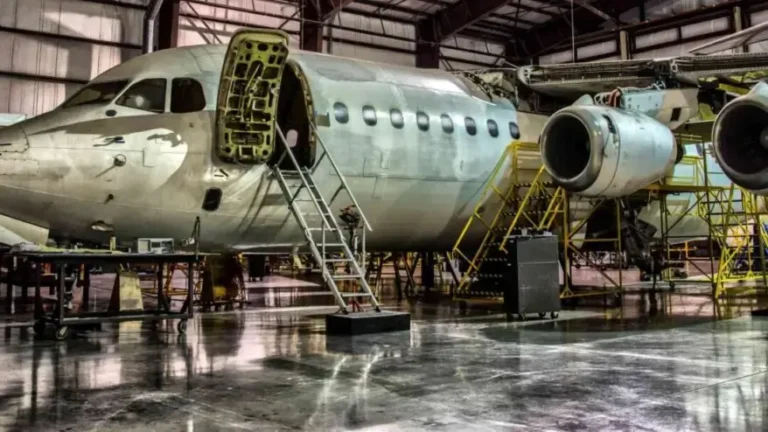
Aircraft Maintenance Engineering: Aviation Systems, Safety and Technology
Aircraft Maintenance Engineering is a specialised field of engineering that focuses on the inspection, maintenance, repair and continued airworthiness of aircraft. It plays an important role in aviation by ensuring that aircraft systems and components meet established safety and technical requirements. The field combines knowledge of mechanical engineering, electrical engineering, electronics, materials science and aviation technology.
At ENTECH STEM Magazine, this category brings together educational articles, technical insights and career guidance related to aircraft maintenance engineering. Students can explore aircraft systems, understand the responsibilities of aviation maintenance professionals and learn about the technologies that support safe air travel.
What Does Aircraft Maintenance Engineering Cover?
Aircraft maintenance engineering involves several technical areas that help maintain the condition, reliability and airworthiness of aircraft. Professionals work with different aircraft components and systems, following approved maintenance procedures and applicable aviation regulations.
Some of the important areas include:
1. Aircraft Structures and Airframe Systems
Aircraft structures provide the framework that supports an aircraft during flight and ground operations. They include components such as the fuselage, wings, tail section and landing gear.
Aircraft maintenance professionals study structural materials, joints, corrosion, fatigue and the condition of aircraft components. They also learn how inspections and approved maintenance practices help preserve structural integrity.
2. Aircraft Engines and Propulsion Systems
Aircraft propulsion systems generate the thrust required for flight. Depending on the aircraft, these systems may use piston engines, turboprop engines or gas turbine engines.
Aircraft maintenance engineering covers the basic principles of engine operation, major engine components, lubrication, fuel systems and associated support systems. Understanding these technologies helps professionals assess engine condition and support scheduled maintenance and inspections.
3. Aircraft Electrical and Avionics Systems
Modern aircraft depend on complex electrical and electronic systems. These systems support navigation, communication, monitoring, flight instrumentation and other important functions.
Avionics is the branch of technology concerned with aircraft electronic systems. Aircraft maintenance engineering introduces students to electrical circuits, sensors, electronic instruments, communication systems and onboard computing technologies.
As aircraft become more technologically advanced, knowledge of electronics and digital systems is increasingly important.
4. Aircraft Inspection and Maintenance
Regular inspection and maintenance help ensure that aircraft remain airworthy. These activities include scheduled inspections, component condition assessments, maintenance documentation and the evaluation of reported technical issues.
Aircraft maintenance professionals work within approved procedures and regulatory requirements. In addition, maintenance records help establish the history of an aircraft and document completed work.
5. Aircraft Materials and Manufacturing
Aircraft manufacturers use specialised materials to achieve the required balance of strength, weight and durability. Common material groups include aluminium alloys, titanium alloys and composite materials.
Aircraft maintenance engineering introduces students to material properties, structural behaviour, corrosion and material degradation. Knowledge of these subjects helps professionals understand aircraft construction and the importance of maintaining component integrity.
Aviation Safety and Aircraft Airworthiness
Safety is central to aircraft maintenance engineering. Every aircraft must meet applicable airworthiness requirements before it can operate. Therefore, maintenance professionals follow established technical documentation, inspection schedules and aviation regulations.
Aircraft maintenance also involves quality assurance, maintenance records and compliance monitoring. These processes help ensure that maintenance activities meet the required standards.
Human factors are equally important. Clear communication, teamwork, attention to detail and proper documentation help reduce maintenance errors. Consequently, aircraft maintenance engineering combines technical knowledge with professional responsibility and safety awareness.
Emerging Technologies in Aircraft Maintenance Engineering
Technology continues to change how the aviation industry monitors and maintains aircraft. Modern maintenance organisations increasingly use digital tools, data analysis and advanced inspection technologies.
Some important developments include:
- Predictive maintenance: Uses aircraft condition data and analytical techniques to help identify potential maintenance needs before component failures occur.
- Digital maintenance records: Help organisations manage inspection histories, maintenance documentation and aircraft technical information.
- Non-Destructive Testing (NDT): Uses specialised inspection methods to assess material and component condition without damaging the inspected part.
- Digital twin technology: Creates virtual representations of physical systems to support monitoring, analysis and engineering assessment.
- Automated inspection technologies: Use advanced imaging and digital systems to support aircraft inspection and maintenance planning.
Furthermore, newer aircraft designs introduce advanced materials, integrated electronics and increasingly complex onboard systems. As a result, aircraft maintenance professionals must continue developing their technical knowledge.
Aircraft Maintenance Engineering Education and Career Opportunities
Students interested in aviation technology can explore Aircraft Maintenance Engineering as a specialised educational and career pathway. Training programmes generally combine theoretical learning with practical experience under approved training and regulatory frameworks.
Important subjects include aircraft structures, aerodynamics, aircraft engines, electrical systems, avionics, materials science and aviation regulations. Students also develop an understanding of technical documentation, inspection principles and maintenance practices.
In India, the Directorate General of Civil Aviation (DGCA) plays an important role in regulating aircraft maintenance licensing and approved training requirements. However, licensing pathways, eligibility conditions and training requirements can vary across countries. Students should therefore consult the relevant aviation authority before selecting a programme.
Career opportunities exist with airlines, aircraft maintenance organisations, aviation service providers, aircraft manufacturers and other organisations in the aerospace sector. Depending on their qualifications, experience and licensing status, professionals may explore roles in aircraft maintenance, technical support, quality assurance, maintenance planning and aviation engineering.
Practical training, technical knowledge and familiarity with aviation regulations are important for developing a career in this field.
Explore Aircraft Maintenance Engineering with ENTECH STEM Magazine
Aircraft Maintenance Engineering connects engineering principles with one of the most important aspects of modern aviation: safety. It brings together mechanical systems, electronics, materials science and emerging technologies to support reliable aircraft operations.
Through this category, ENTECH STEM Magazine brings together articles on aircraft systems, aviation maintenance, aircraft technology, safety, engineering education and career opportunities. Students can explore technical concepts, learn about developments in the aviation industry and discover how different STEM disciplines contribute to aircraft maintenance.
Whether you are considering a career in aviation, studying aircraft technologies or simply curious about the engineering behind safe air travel, explore our collection of Aircraft Maintenance Engineering articles and learn more about this specialised field.