How Scientists Made Aspirin Work Better — Using Just Grinding!
Aspirin is one of the most common medicines in the world.

How Scientists Made Aspirin Work Better — Using Just Grinding!

Hidden Gene Lab Trick That Could Supercharge Life-Saving Drug Production!
This Science Discovery Shows How Antioxidants Fight Disease and Help Future Bio Jobs!
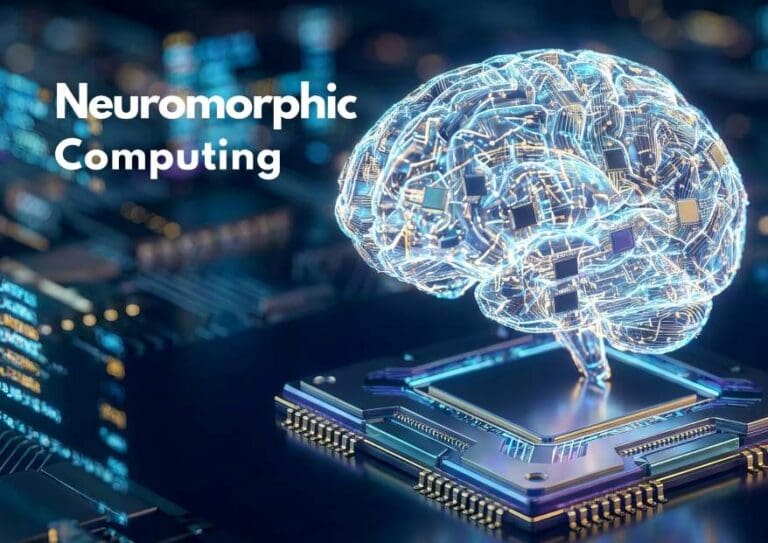
Neuromorphic Computing System Meets Science: Solving Complex Equations Like the Brain

Types of DNA Technology and How it is Improving Health Outcomes
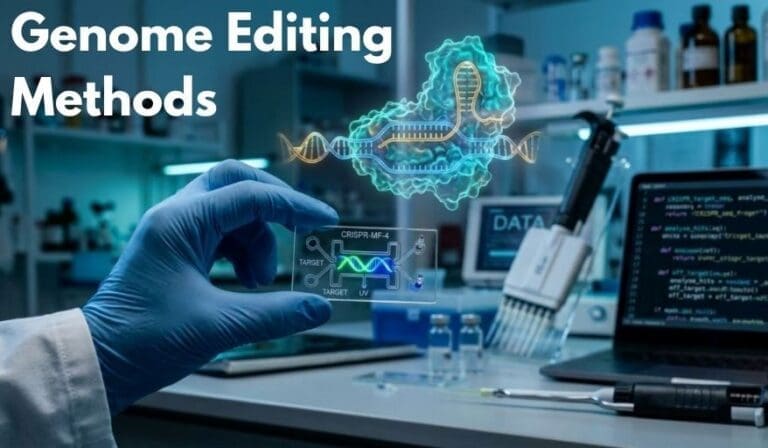
Your DNA Can Be Rewritten — Here’s How Scientists Are Doing It (And Why You Should Care)
Chemical Computer Uses Enzymes to Recognize Patterns

AI Revolution: Hidden Airway Blockages Detected Twice as Fast

Practical Ways to Make ELISA Data More Reproducible

Artificial Neurons Mimic Real Brain Signals at Ultra-Low Power
Biotechnology brings together biology, chemistry, engineering, and technology to develop products and processes that address real-world challenges. It uses living organisms, cells, enzymes, and other biological components to create useful solutions. These applications range from medicines and vaccines to improved crops, industrial materials, and environmental technologies.
Biotechnology has a long history. Traditional practices such as fermentation have helped people produce bread, yoghurt, and other foods for centuries. However, advances in molecular biology, genetics, and laboratory techniques have expanded what scientists can achieve. Today, biotechnology supports research and innovation across healthcare, agriculture, food production, manufacturing, and environmental management.
Biotechnology is the application of biological systems or organisms to develop or modify products and processes for specific purposes. It combines scientific knowledge with practical techniques to make biological processes useful in different industries.
For example, scientists can use microorganisms to produce enzymes and other industrial compounds. Researchers can also study cells and genetic material to understand biological functions and develop new medical technologies. In agriculture, biotechnology supports crop improvement, plant tissue culture, and the development of biological products.
The field includes several related disciplines, such as molecular biology, microbiology, genetics, biochemistry, bioinformatics, and bioprocess engineering. Together, these areas help researchers understand biological systems and translate their findings into practical applications.
Biotechnology covers a wide range of applications. These are often grouped into branches based on the industries or environments they serve.
Medical biotechnology applies biological research and technologies to healthcare. It supports the development of vaccines, therapeutic proteins, diagnostic methods, and other medical products.
Genetic research and molecular biology also help scientists understand diseases and investigate potential treatments. In addition, biotechnology contributes to areas such as gene therapy, cell-based therapies, and personalised medicine.
Agricultural biotechnology uses biological techniques to improve crops, support plant health, and address challenges in food production. It includes plant tissue culture, molecular breeding, genetic engineering, and the development of biological pest-management products.
Researchers use these methods to study crop characteristics and develop varieties with useful traits. Depending on the technology, these traits may relate to disease resistance, environmental stress tolerance, or nutritional quality.
Industrial biotechnology uses microorganisms, cells, and enzymes in manufacturing processes. It can help produce chemicals, enzymes, bio-based materials, and other industrial products.
For example, enzymes can support manufacturing processes in the textile, paper, and food industries. Microorganisms can also convert renewable raw materials into useful chemicals and materials. These approaches may offer alternatives to some conventional production methods.
Environmental biotechnology applies biological systems to environmental challenges. Microorganisms can help treat wastewater, break down certain pollutants, and support waste management.
Bioremediation is one important application. It uses biological processes to remove, reduce, or transform contaminants in soil and water. Researchers also explore biological methods for improving resource recovery and managing industrial waste.
Marine biotechnology explores organisms and biological resources found in oceans and other aquatic environments. Marine microorganisms, algae, and other organisms can provide useful compounds and biological materials.
Research in this area supports the investigation of new enzymes, bioactive compounds, aquaculture applications, and marine-derived materials.
Modern biotechnology depends on a growing set of laboratory and computational tools. These technologies help scientists study biological systems, analyse genetic information, and develop new products.
Genetic engineering involves changing genetic material to introduce, remove, or modify specific characteristics. Gene-editing technologies provide tools for making targeted changes to DNA. Researchers use these approaches in areas such as crop development, basic biological research, and the investigation of potential medical applications.
Genomics studies the complete genetic material of an organism. Molecular biology examines biological processes at the molecular level, including how DNA, RNA, and proteins interact.
Together, these fields help researchers understand genes, identify biological patterns, and investigate how genetic information influences the characteristics of living organisms.
Cell and tissue culture techniques allow researchers to grow cells or tissues under controlled laboratory conditions. These methods are used in biological research, plant propagation, pharmaceutical development, and other biotechnology applications.
Bioinformatics uses computing, statistics, and data analysis to study biological information. It supports tasks such as analysing DNA sequences, comparing proteins, and interpreting large biological datasets.
Artificial intelligence and machine learning are also becoming useful in biotechnology research. These tools can help identify patterns in complex datasets, support molecular analysis, and assist researchers in exploring biological problems.
Biotechnology connects scientific research with practical needs across many sectors.
In healthcare, it supports the development of vaccines, diagnostic technologies, and biological medicines. In agriculture, it contributes to crop research, plant propagation, and biological solutions for managing pests and diseases.
The food industry uses microorganisms and enzymes in fermentation, food processing, and product development. Meanwhile, industrial biotechnology supports the production of bio-based chemicals, enzymes, and materials.
Environmental applications include wastewater treatment, bioremediation, and biological waste management. As a result, biotechnology has an important role in research focused on resource efficiency and sustainable production.
Biotechnology overlaps with several scientific and engineering disciplines. However, each field has a distinct focus.
Bioinformatics concentrates on analysing biological data using computational methods. Bioprocess Engineering focuses on designing and optimising processes that use cells, microorganisms, or enzymes to manufacture products. Biomedical Engineering applies engineering principles to healthcare technologies, medical devices, and biological systems.
These fields often work together. For example, bioinformatics can help researchers identify a useful biological target, while biotechnology supports its development and bioprocess engineering helps translate a production method into a larger manufacturing process.
Biotechnology offers many opportunities, but its development also involves scientific, technical, ethical, and regulatory challenges. Researchers must evaluate the safety, reliability, and environmental effects of new technologies. They also need to consider data privacy, intellectual property, access to new treatments, and responsible research practices.
Several developments are shaping the future of the field. Advances in synthetic biology, gene editing, genomics, and cell-based technologies are expanding research possibilities. At the same time, AI-assisted analysis and automation are helping researchers work with increasingly complex biological systems.
Industrial biotechnology is also attracting attention as organisations explore bio-based materials and more resource-efficient manufacturing processes. These developments may create new opportunities in healthcare, agriculture, energy, and environmental technology.
Biotechnology is a broad and evolving field that connects biological science with engineering and technological innovation. Its applications extend from healthcare and agriculture to industrial manufacturing and environmental protection.
At ENTECH STEM Magazine, this category brings together articles on biotechnology concepts, research, tools, applications, and emerging developments. Explore topics such as genetic engineering, bioinformatics, industrial biotechnology, bioprocess engineering, genomics, and cell culture to understand how biological knowledge is being transformed into practical technologies.