Future of Energy Storage: Anode-Free Solid-State Battery
They created the world's first Anode-Free Solid-State Battery.
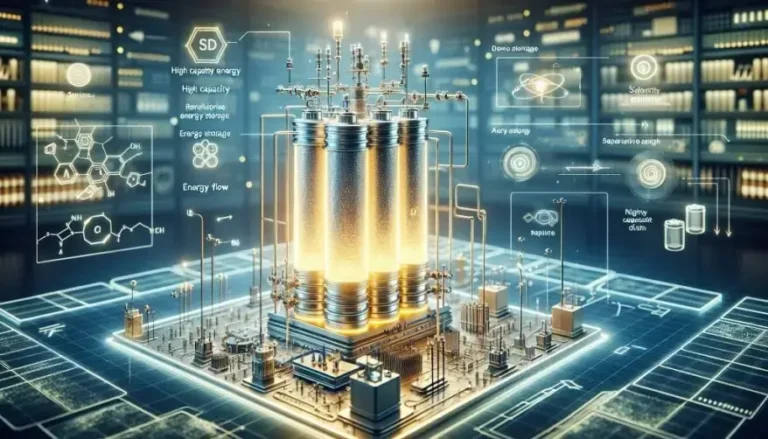
Future of Energy Storage: Anode-Free Solid-State Battery

The Impact of Renewable Energy Growth on Spain’s Electricity
Terrapower Reactor: Next-Generation Nuclear Technology

Revolutionising Energy Storage: Lignode Batteries from Trees

Rooftop Solar System Working: Sustainable Energy
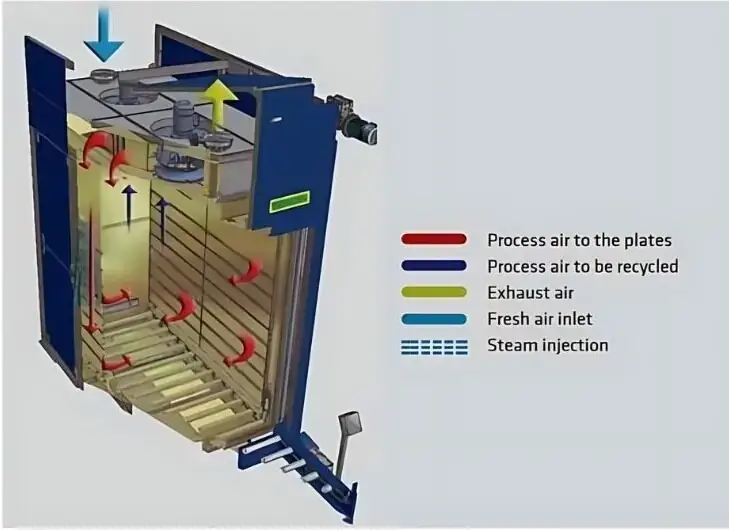
How it is Made: the Lead Acid Battery – Part VIII Plate Curing
Rapid-Charging Sodium Battery Developed for High-Energy Applications
Energy plays an important role in modern life. Homes, industries, transport systems, communication networks, and digital infrastructure all depend on a reliable energy supply. However, energy production and consumption do not always happen at the same time. Solar panels generate electricity during daylight hours, while electricity demand may remain high after sunset. Wind power also depends on changing weather conditions.
Energy Storage helps address this challenge by capturing energy and making it available for use at a later time. It supports a more flexible energy system by balancing supply and demand, improving grid reliability, and helping integrate renewable energy sources.
At ENTECH Magazine, our Energy Storage category explores the technologies, materials, and engineering systems used to store energy. We cover battery technologies, pumped hydro storage, thermal energy storage, hydrogen, power electronics, and emerging developments in sustainable energy.
Energy storage is the process of capturing energy and holding it in a form that can be used later. Depending on the technology, energy may be stored as chemical, mechanical, thermal, electrical, or electrochemical energy.
When energy is needed, the storage system releases it or converts it into another useful form. For example, a rechargeable battery stores energy through electrochemical reactions and later supplies electrical energy to a device or power system.
Energy storage is useful at different scales. Small systems can power portable electronics and electric vehicles, while large installations can support electricity grids, industrial facilities, and renewable energy projects.
Energy storage technologies use different physical and chemical principles. Each has its own characteristics, applications, advantages, and limitations.
Batteries store energy through electrochemical reactions. They are among the most widely used storage technologies, supporting applications from smartphones and electric vehicles to large electricity grids.
Common battery technologies include:
Battery performance depends on factors such as energy density, power output, charging time, cycle life, operating temperature, and safety.
Pumped hydro storage uses water and gravity to store energy. The system pumps water from a lower reservoir to a higher reservoir when electricity is available. When electricity is needed, the water flows back through turbines to generate power.
It is an established technology for large-scale energy storage. However, suitable geographical conditions, infrastructure costs, and environmental considerations influence where these systems can be developed.
Thermal energy storage captures heat or cold for later use. It can help manage heating, cooling, and electricity generation requirements.
Common approaches include storing heat in water, molten salts, rocks, and other materials. Phase-change materials can also store or release thermal energy as they change between physical states.
Thermal storage is used in buildings, industrial processes, district heating and cooling, and concentrated solar power plants.
Mechanical storage systems use physical movement, pressure, or gravitational potential energy to store energy.
Important technologies include:
These technologies serve different purposes depending on their capacity, response time, duration, and site requirements.
Hydrogen can act as an energy carrier and a way to store energy. Electricity from renewable sources can power electrolysers, which split water into hydrogen and oxygen.
The hydrogen can then be stored and used later in fuel cells, industrial processes, or other applications. It can also be converted back into electricity when required.
However, converting electricity into hydrogen and then back into electricity involves energy losses. Therefore, hydrogen storage is particularly relevant to applications that require longer-duration storage or connect the electricity, industrial, and transport sectors.
Some technologies store energy directly in electrical or electromagnetic fields.
Supercapacitors store electrical energy through electrostatic charge separation. They can charge and discharge rapidly, making them useful in applications that require high power over short periods.
Superconducting Magnetic Energy Storage systems store energy in the magnetic field created by a direct current flowing through a superconducting coil. These systems are specialised technologies with particular operating requirements.
Renewable energy sources such as solar and wind are important parts of the transition towards cleaner energy systems. However, their output varies with weather conditions and the time of day.
Energy storage can help manage this variation. Electricity generated when production exceeds demand can be stored and released when generation falls or demand increases.
For example, a solar power plant can store surplus daytime electricity in a battery system and supply some of that energy during evening hours. Similarly, grid-connected storage can help manage fluctuations in electricity supply and support grid operations.
Energy storage does not replace the need for reliable generation, transmission, or distribution infrastructure. Instead, it works alongside these systems to improve flexibility and support a more balanced electricity network.
Energy storage technologies have applications across several industries.
Rechargeable batteries provide the energy needed to operate electric cars, buses, motorcycles, and other electric transport systems. Battery research focuses on improving energy density, charging performance, durability, and safety.
Grid-scale energy storage can help balance electricity supply and demand, support frequency regulation, and provide backup capacity. These systems can also help integrate variable renewable energy into power networks.
Homes and businesses can use batteries and thermal storage systems alongside solar installations. These systems can help manage electricity consumption and provide backup power where suitable.
Industries use energy storage to manage electricity demand, support uninterrupted operations, and improve energy management. Thermal storage can also support industrial heating and cooling processes.
Remote communities and facilities may use batteries and other storage technologies alongside renewable energy systems. Storage helps provide electricity when local generation is unavailable or insufficient.
Choosing an energy storage technology requires an understanding of its technical and practical characteristics.
No single storage technology is suitable for every application. The right choice depends on the required capacity, discharge duration, response time, operating environment, and overall system design.
Energy storage research continues to address challenges related to cost, efficiency, materials, durability, safety, and recycling. Battery technologies require careful material selection and responsible management throughout their life cycles. Large mechanical storage systems may need specific geographical conditions and significant infrastructure investment.
Researchers are exploring new battery chemistries, improved electrolytes, advanced thermal materials, hydrogen systems, and alternative mechanical storage methods. Advances in power electronics, control systems, and artificial intelligence may also improve how storage technologies operate within larger energy networks.
As renewable energy adoption and electrification continue to grow, energy storage will remain an important area of scientific research and engineering.
Explore ENTECH Magazine for more insights into Energy Storage, battery technology, renewable energy, power systems, electric vehicles, and the innovations shaping the future of sustainable energy.