Drug interaction screening helps you spot possible problems when you take more than one drug. This process checks if your drugs, supplements, or foods could cause harmful effects. You need this screening in order to…
Drug Interaction Screening Explained for 2026
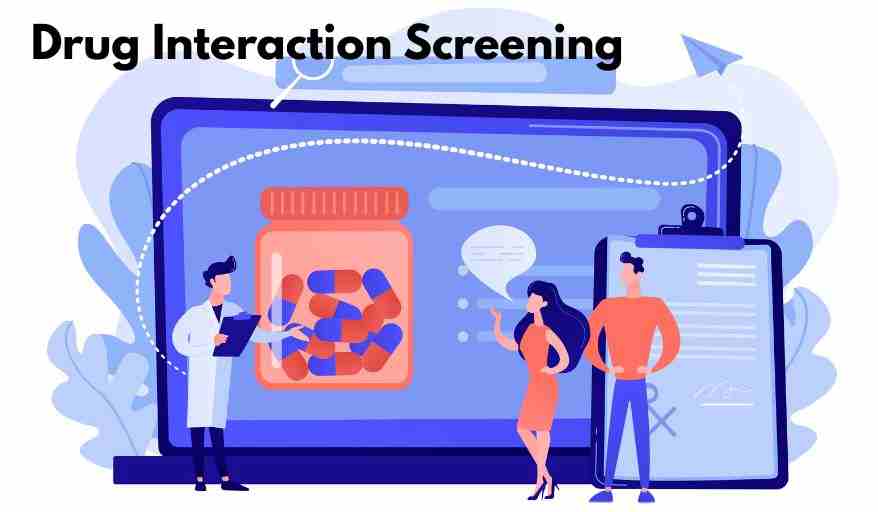
Drug interaction screening helps you spot possible problems when you take more than one drug. This process checks if your drugs, supplements, or foods could cause harmful effects. You need this screening in order to protect your safety and avoid adverse reactions. In fact, each year, adverse drug events cause about 250,000 deaths in the USA. As a result, these events now rank as the third leading cause of death. Drug interaction screening, for this reason, gives you a valuable opportunity to lower your risk. At the same time, even with new tools and advances in technology, safety remains an ongoing challenge. Therefore, it is important to stay alert and, in addition, speak regularly with your healthcare provider.
- Adverse drug events account for 250,000 deaths yearly in the USA.
- They rank as the third leading cause of death.
Key Takeaways
- Drug interaction screening is very important for safety when you take more than one medicine. It helps stop bad side effects from happening.
- Adverse drug events cause about 250,000 deaths each year in the USA. This makes drug interaction screening very important for lowering risks.
- Always tell your healthcare provider about every medicine, supplement, and food you use. This helps them find possible drug interactions.
- Use digital apps and other tools to keep track of your medicines and check for interactions. These can give you alerts and updates to help keep you safe.
- Stay organized with your medicines. Keep a list, read the labels, and talk often with your healthcare team to stop dangerous drug interactions.
What Is Drug Interaction Screening?
Screening Purpose
Drug interaction screening helps keep you safe with medicine. It checks if your drugs work well together or not. This process helps you avoid problems when drugs mix. The main goals are simple:
- You find drug interaction risks early to stay safe.
- You make sure your treatment works and does not hurt you.
- You help doctors keep research correct by stopping hidden drug interaction problems.
New technology makes drug interaction screening faster and smarter. Scientists use virtual screening to look at many drug molecules at once. They can guess if a drug will cause an interaction before lab tests. Machine learning and simulations help experts check billions of compounds fast. These tools help find drug interaction risks before you start your medicine.
The Single cell Omni-Omics system lets doctors study drug interaction in cells. This system helps them find new drugs and biomarkers. It also saves time and money for everyone. At Lawrence Livermore National Laboratory, a new platform makes drug interaction screening much faster. It now takes three days instead of six weeks. You get safer drugs sooner because of these new tools.
Also read: https://entechonline.com/analysis-of-81-genes-across-64-plastid-genomes/
How It Protects Patients
Drug interaction screening keeps you safe from bad effects. It checks if your drugs, supplements, or foods cause problems. You can see that drug interaction screening lowers mistakes. But some errors still happen because alerts are not always clear. Good communication and learning help make screening work better.
Pharmacists use electronic patient records to check for potential drug interaction risks. In addition to reviewing your medication history, they share what they find with doctors and nurses. As a result of this collaboration, you are more likely to receive the right medications while avoiding harmful effects. Through this coordinated approach to care, your medical records are connected to support safer treatment. At the same time, prescribers send your prescriptions directly to the pharmacy, which further improves communication. Because of this streamlined process, drug interaction screening becomes more effective and helps keep you safe.
Drug interaction screening protects you by:
- Finding drug interaction risks before you start a new drug.
- Helping your doctor pick safe drug combinations.
- Lowering the chance of toxic effects or treatment not working.
- Making sure your medicine does what it should.
Tip: Always tell your healthcare provider about every medicine you take. This helps them find drug interaction risks and keeps you safe.
Types of Drug Interactions
Drug interactions can change how your medicine works in your body. For this reason, it is important to understand the main types in order to stay safe. In particular, being aware of these differences can help you recognize potential problems early. Each type can cause different side effects or alter your drug’s intended effect. As a result, knowing what to watch for can reduce your risk and improve your overall safety.
Drug-Drug Interaction
Drug-drug interaction happens when two drugs mix and change how they work. Sometimes, one drug makes another drug stronger or weaker. This can cause bad side effects or make your medicine not work. For example, warfarin with NSAIDs can cause bleeding inside your body. ACE inhibitors with potassium-sparing diuretics can cause too much potassium. Antidepressants with triptans can cause serotonin syndrome. You should tell your doctor about every drug you take.
Drug-Supplement Interaction
Drug-supplement interaction happens when you take drugs with vitamins or herbs. Many people use supplements but may not know the risks. In the United States, up to half of people have drug-supplement interactions. For example, St. John’s Wort can make heart drugs and warfarin work less. Vitamin E with warfarin can cause more bleeding. You should always ask your doctor before using supplements.
Note: Older adults have a higher risk of drug-supplement interaction. Always check before mixing drugs and supplements.
Drug-Food Interaction
Drug-food interaction happens when food changes how your drug works. Some foods can make your drug stronger or weaker. For example, grapefruit juice can increase the strength of certain blood pressure medications. In contrast, cow’s milk can make mercaptopurine less effective. Similarly, sesame seeds can change how tamoxifen works in the body. Because of these possible effects, it is important to read labels carefully and, in addition, ask your doctor about potential food and drug interactions..
Drug-Condition Interaction
Drug-condition interaction happens when your health problem changes how your drug works. Long-term illnesses like diabetes or kidney disease can make drug interactions worse. For example, steroids can raise blood sugar in people with diabetes. Older adults with heart failure can have more drug interactions. You need careful drug management if you have many health problems.
- Drug interactions can cause new effects because of your health problems.
- The risk goes up with age and more health problems.
Tip: If you have many health problems, tell your doctor about all your drugs and conditions. This helps stop dangerous drug interactions and side effects.
You need to watch out for drug interactions. Each type can change your drug’s effect and cause side effects. Always talk to your healthcare provider before starting new drugs, supplements, or foods.
Drug Interaction Screening Methods
Clinical Screening Tools
You use clinical screening tools to check for drug interactions. By using these tools on a regular basis, you and your healthcare team can identify potential problems early. In many healthcare settings, including hospitals and clinics, different methods are used to improve patient safety. As a result of these combined efforts, the risk of harmful interactions can be reduced.
Clinical screening tools give you facts about bad drug effects. They show how serious the effects are, how often they happen, and when they start. You also learn about drug-drug, drug-food, and drug-alcohol interactions. These tools remind you to watch your prescriptions closely. You lower your chance of going to the hospital and stay safe.
Clinical screening systems have made things better. One study showed a 24% drop in drug- drug interactions after using a new system. High-severity interactions went down by 71%. Another study found a 50 % decrease in all drug- drug interactions and an 81% drop in severe ones. You should always talk to a healthcare provider before starting or changing any drug.
Digital Apps and Resources
You can use digital apps to check for drug interactions at home. Many apps help you keep track of your drugs and remind you when to take them. Popular apps in 2026 include:
- Medisafe
- MyTherapy
- Pill Reminder Meds Alarm
- mySeniorCareHub (with Drug Interaction Checker)
- MedsChecker (powered by DrugBank AI)
These digital resources use smart technology. They find drug-drug interactions that older tools might miss. You get updates and alerts right away. You should use more than one app or resource. Each tool has good and bad points. You should talk to a healthcare provider if you have questions about your results.
Digital tools help you and your healthcare team. They connect to electronic health records and pharmacy systems. You get alerts about drug interactions before you get your medicine. This step makes clinical pharmacology and safety better.
Drug-Drug Interaction Studies
Drug-drug interaction studies are important in clinical pharmacology. You use these studies to learn how drugs mix in your body. These studies help you and your healthcare team make safe choices. You see how one drug changes another drug’s effect. You also learn when to change doses or avoid some drug combinations.
Drug-drug interaction studies make clinical practice safer. In particular, these studies help prevent harmful reactions while ensuring your treatment continues to work as intended. Because of this important role in patient safety, you should speak with a healthcare provider before starting any new medication. During this process, your provider relies on drug-drug interaction studies to guide your care and make informed decisions. As a result of ongoing research and careful monitoring, these studies strengthen clinical pharmacology and, in turn, help protect your overall health.
Drug-drug interaction studies help set clinical guidelines. They help you and your healthcare team stay up to date. You should always talk to a healthcare provider before mixing drugs. This step keeps you safe and helps you get good results.
Tip: Always talk to a healthcare provider before starting, stopping, or changing any drug. This advice helps you avoid dangerous drug-drug interactions.
Who Needs Drug Interaction Screening?
High-Risk Groups
Drug interaction screening is important for some people. These people have a higher chance of drug problems. The groups are:
- Older adults, especially in nursing homes
- People who take many medicines at the same time
- Patients with cancer, HIV, or other tough health issues
Older adults often use several medicines. This makes side effects or toxicity more likely. In nursing homes, many people take drugs they do not need. About half of older adults use extra medicines. This causes more drug reactions. The risk goes up with each new medicine. If you take two medicines, your risk is 13%. With four, it jumps to 38%. Seven or more means an 82% risk.
Common Risk Factors
You have more risk if you have certain health problems. These include:
- Metabolic disease
- Cardiovascular disease
- CNS disease
- Psychiatric disorder
Older adults often have more than one health issue. Almost half of people over 65 have at least three chronic diseases. These include high blood pressure, joint pain, heart disease, and diabetes. Your body changes as you get older. You may have more fat and less water. Your kidneys may not work as well. These changes affect how your body uses medicines.
FAQ
What is a drug interaction?
A drug interaction happens when one drug changes how another drug works. You may feel stronger effects or weaker effects. Sometimes, you may get side effects. Always check with your doctor before you start a new drug.
Why should you screen for drug interactions?
You should screen for drug interactions to stay safe. Screening helps you find problems before they start. You lower your risk of side effects. Your doctor can help you choose the right drug for you.
Can food or supplements affect your drug?
Yes, food or supplements can change how your drug works. Some foods make a drug stronger. Others make it weaker. Supplements may also cause problems. Always tell your doctor about everything you take with your drug.
Additionally, to stay updated with the latest developments in STEM research, visit ENTECH Online.
Reference
Marqas, R. B., Simó, Z., Mousa, A., Özyurt, F., & Iantovics, L. B. (2026). Advancing Drug–Drug Interaction Prediction with Biomimetic Improvements: Leveraging the Latest Artificial Intelligence Techniques to Guide Researchers in the Field. Biomimetics, 11(1), 39. https://doi.org/10.3390/biomimetics11010039
Disclaimer: We do not intend this article/blog post to provide professional, technical, or medical advice. Therefore, please consult a healthcare professional before making any changes to your diet or lifestyle. In fact, we use AI-generated images for illustration and decoration. Their accuracy, quality, and appropriateness can differ. So, users should avoid making decisions or assumptions based only on the text and images.
- Author
- Latest Posts

I completed my Master of Science from the University of Allahabad in 2017 with a strong academic background in life sciences and chemistry. My specialization included Molecular Biology, Microbiology, Genetics, Plant Breeding, Phycology, Paleobotany, and Bioinformatics, along with Organic Chemistry, Inorganic Chemistry, and Physical Chemistry. This multidisciplinary training provided me with a comprehensive understanding of biological systems and analytical scientific approaches.
After completing my postgraduate studies, I gained valuable professional experience in both the education and social development sectors. I worked at A.M. Oxford Public School, where I was actively involved in guiding students toward academic excellence. In this role, I focused on creating an engaging learning environment, encouraging critical thinking, and nurturing students’ curiosity for scientific learning. My experience as an educator strengthened my communication, mentoring, and classroom management skills.
In addition to my teaching experience, I worked with Jeevan Jagriti Foundation, where I contributed to community-based initiatives aimed at improving educational access and awareness among underprivileged sections of society. Through this work, I participated in programs designed to support social development and promote the value of education in marginalized communities.
These professional experiences helped me develop strong interpersonal, leadership, and organizational skills while reinforcing my commitment to education and community service.