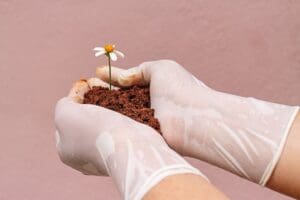
The membrane of the vesicle protects the sensitive molecules inside. With this in mind, the cargo stays safe from harsh environments.
Environmental Toxicology and Human Health: Assessing the Impact
Environmental Toxicology and Human Health researchers now study how plant cells talk. They use extracellular vesicles or EVs for this task. These are tiny sacs that carry proteins and genetic material. At the present time, researchers look at Arabidopsis thaliana to learn more. This small flowering plant helps us understand plant biology in detail.
Why Plant Vesicles Matter for Your Future Career
You might want a career in biotechnology or genetic engineering. In this case, learning about cellular transport is vital. Plant EVs play a huge role in defense mechanisms. They help plants fight off pathogens like fungi and bacteria. To put it differently, these tiny bubbles act like a biological security team.
Another key point involves how we can use these for human health. Scientists think these vesicles can deliver medicine inside the human body. Prior to this, researchers mostly used synthetic carriers. Now, they see plant-derived options as a safer choice. This field offers many education opportunities for students who love molecular biology.
The Science of Cellular Communication
How Plants Send Messages
Plants do not have a nervous system like humans. At any rate, they still send fast signals. They pack RNA and lipids into these vesicles. After that, the vesicles move through the cell wall. Seeing that they are so small, they travel easily. This process is analogous to sending a text message.
Protecting the Cargo
The membrane of the vesicle protects the sensitive molecules inside. With this in mind, the cargo stays safe from harsh environments. As an illustration, enzymes in the soil could destroy unprotected DNA. All in all, the lipid bilayer ensures the message reaches its target. This is a great example of nanotechnology in nature.
Breaking Down the Research Findings
The research paper explains how proteomics helps identify vesicle contents. To enumerate, researchers found specific stress-response proteins. These proteins appear when a plant feels under attack. In light of these findings, we can grow stronger crops. This is important for food security in the future.
While this may be true, we still have much to learn. For the most part, isolating these tiny sacs is hard work. Scientists use ultracentrifugation to separate them from other plant parts. To be sure, this requires high-tech lab equipment. You can read about similar STEM tools on our site.
Environmental Toxicology and Human Health: Career Paths
Working with plant EVs involves biochemistry and bioinformatics. At this point, the industry needs young innovators. You could become a plant pathologist or a biomedical engineer. To that end, studying biology and chemistry in high school is a must.
So far, the results look very promising for drug delivery. Take the case of cancer treatment. Using plant vesicles might reduce side effects for patients. All things considered, this research bridges the gap between farming and medicine. It is a multidisciplinary field with huge growth potential.
What This Means for STEM Students
If you like solving puzzles, this field is for you. Summing up, plant communication is a complex and exciting topic. By and large, it shows that even small plants have complex systems. With this intention, you should look for internships in agritech labs.
In conclusion, the study of Arabidopsis vesicles opens many doors. It changes how we look at plant health and human therapy. In reality, the next big medical breakthrough might come from a weed. Keep asking questions and stay curious about science.
Conclusion
In conclusion, hydatidiform moles represent an important subset of gestational trophoblastic diseases characterized by abnormal trophoblastic proliferation and distinct genetic abnormalities. Recent molecular studies have significantly enhanced our understanding of the pathogenesis of these conditions. Evidence indicates that both genetic and epigenetic alterations play a crucial role in the development and progression of molar pregnancies. Key molecular events include dysregulation of tumor suppressor genes such as p53, altered apoptotic signaling pathways involving BCL-2, and abnormal expression of growth factor receptors and microRNAs, which collectively influence trophoblastic proliferation, differentiation, and invasion.
Furthermore, molecular and immune histochemical analyses have helped differentiate complete and partial hydatidiform moles and have improved diagnostic accuracy beyond traditional histopathological methods.
Additionally, to stay updated with the latest developments in STEM research, visit ENTECH Online
Reference
Demir, E., & Kacew, S. (2026). Relationships between environmental toxicology and human health. International Journal of Molecular Sciences, 27(5), 2399. https://doi.org/10.3390/ijms27052399
- Author
- Latest Posts

I completed my Master of Science from the University of Allahabad in 2017 with a strong academic background in life sciences and chemistry. My specialization included Molecular Biology, Microbiology, Genetics, Plant Breeding, Phycology, Paleobotany, and Bioinformatics, along with Organic Chemistry, Inorganic Chemistry, and Physical Chemistry. This multidisciplinary training provided me with a comprehensive understanding of biological systems and analytical scientific approaches.
After completing my postgraduate studies, I gained valuable professional experience in both the education and social development sectors. I worked at A.M. Oxford Public School, where I was actively involved in guiding students toward academic excellence. In this role, I focused on creating an engaging learning environment, encouraging critical thinking, and nurturing students’ curiosity for scientific learning. My experience as an educator strengthened my communication, mentoring, and classroom management skills.
In addition to my teaching experience, I worked with Jeevan Jagriti Foundation, where I contributed to community-based initiatives aimed at improving educational access and awareness among underprivileged sections of society. Through this work, I participated in programs designed to support social development and promote the value of education in marginalized communities.
These professional experiences helped me develop strong interpersonal, leadership, and organizational skills while reinforcing my commitment to education and community service.