For example, fern genomes demonstrate the evolution of land plants by revealing insect-resistance genes acquired through horizontal gene transfer, a key insight into fern genomes land plant evolution.
Beyond the Seed: Analysis of Fern Genomes and Their Role in Land Plant Evolution
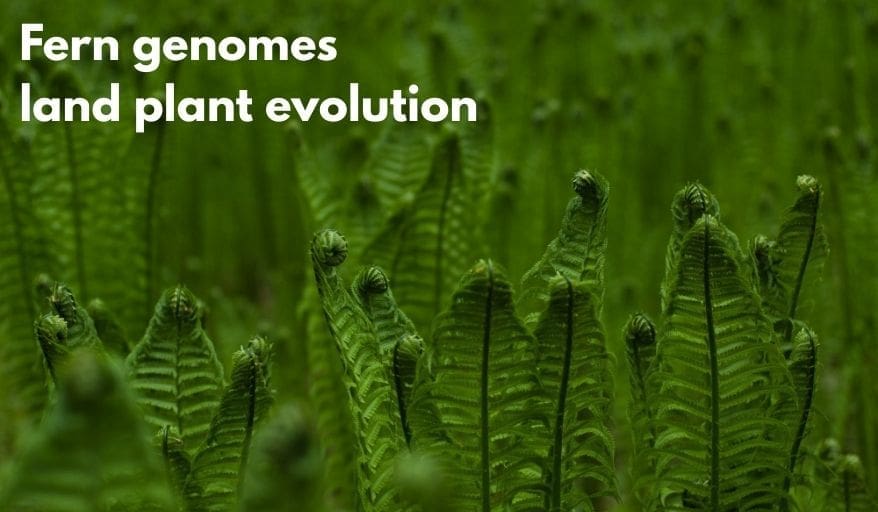
Sources have assembled the first fern genomes, such as those of Salvinia cucullata and Azolla filiculoides, marking a pivotal advancement in fern genomes land plant evolution studies. Indeed, this filled a big gap in plant genomics by illuminating fern genomes land plant evolution through unique genetic features. For example, fern genomes demonstrate the evolution of land plants by revealing insect-resistance genes acquired through horizontal gene transfer, a key insight into fern genomes land plant evolution.
Additionally, the innovators identified two whole-genome duplications in ferns, further highlighting fern genomes land plant evolution patterns. Also, biotechnological advances like MiMe leverage these findings from fern genomes land plant evolution. Specifically, MiMe uses mitosis instead of meiosis to produce unreduced gametes that preserve parental heterozygosity. Therefore, this breakthrough, rooted in fern genomes land plant evolution research, significantly aids plant breeding efforts.
Key Takeaways
- Fern genomes land plant evolution: Azolla filiculoides and Salvinia cucullata genomes reveal whole-genome duplications and horizontal gene transfers driving plant diversification.
- Cyanobacterial symbioses decoded: Azolla’s nitrogen-fixing partnership with cyanobacteria boosts rice yields and acts as a major carbon sink.
- Insect resistance innovation: Fern-derived Tma12 protein offers whitefly protection in transgenic cotton with no yield loss.
Also read: Discovering the Wonders of Botany: A Comprehensive Guide
Pragmatic Implementations
The sources highlight several areas where these genomic and polyploidy innovations impact daily life:
- Crop Enhancement: Farmers in Southeast Asia apply Azolla as nitrogen-fixing green manure, boosting rice yields for more than a millennium. .
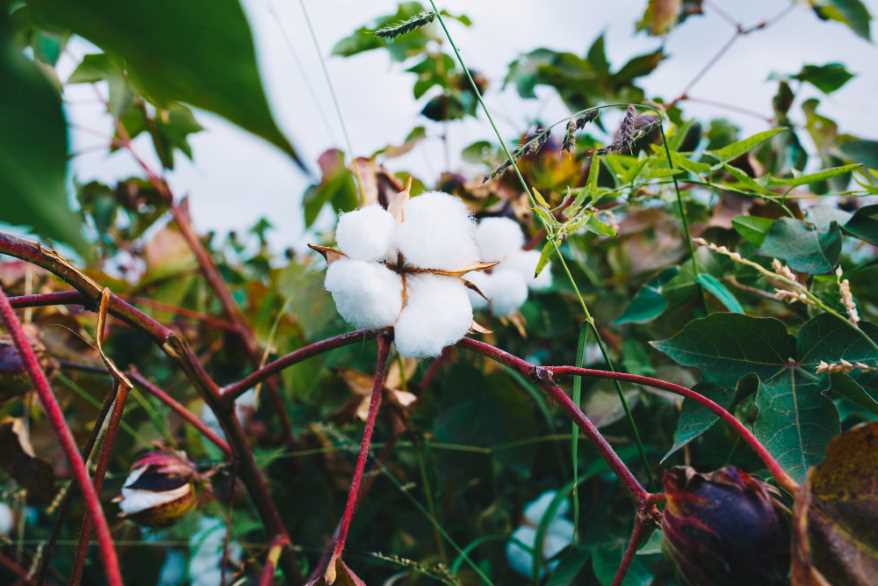
- Insect Defense: Transgenic cotton expressing fern protein Tma12 shows exceptional whitefly resistance while preserving full production.
- Consumer Favorites: Seedless watermelons and bananas result from polyploid techniques, appealing widely to buyers.
- Carbon Capture: This rapid-growing fern acts as a major CO2 absorber, aiding efforts to moderate planetary warming. .
- Resilient Varieties: Polyploid methods help breed plants enduring drought, salt stress, and harsh weather.
Technology Transfer
This range from ancient uses like Azolla green manure in Southeast Asia to commercial polyploid crops (wheat, cotton, bananas) and seedless fruits. Near-term: Tma12 pest-resistant cotton, CRISPR for climate-resilient polyploids. Research advances fern genomes land plant evolution via Azolla/Salvinia and MiMe breeding.
Industry-aligned Goals
For students looking toward future careers, the sources suggest that the commercialization of synthetic polyploid genomes and carbon sequestration technologies (using fast-growing plants like Azolla) are emerging fields with significant long-term growth potential
Students interested in these fields can pursue several emerging career paths:
- CRISPR Genome Modification: Targeting intricate polyploid structures to enhance features such as herbicide tolerance or lipid profiles.
- Computational Genomics: Employing sophisticated software for large-scale polyploid studies, like pan-genome mapping and multi-omics fusion.
- Synthetic Design: Constructing artificial polyploid systems to develop crops with tailored forms and stress adaptability.
- Evolutionary Studies: Exploring origins of plant characteristics and distinctive microbial symbioses in flora.
- Resilience Research: Investigating genes and epigenetics enabling polyploids to thrive amid severe or disrupted conditions.
Conclusion
Fern genomes land plant evolution through Azolla filiculoides and Salvinia cucullata, revealing whole-genome duplications, horizontal gene transfers for insect resistance, and polyploidy mechanisms that drove diversification. They also decode cyanobacterial symbioses, showcasing nitrogen-fixing partnerships that boost crop yields and carbon sequestration. These breakthroughs, bridge ancient practices with modern biotech, paving the way for resilient agriculture and deeper evolutionary insights.
FAQs
How do fern genomes clarify land plant evolution?
Fern genomes like Azolla and Salvinia reveal whole-genome duplications and horizontal gene transfers that drove polyploidy and plant diversification.
What role do they play in cyanobacterial symbioses?
Azolla’s genome decodes its nitrogen-fixing symbiosis with cyanobacteria, enabling green manure use and carbon sequestration in rice fields.
Why are these findings significant?
They bridge ancient practices with biotech like Tma12 pest resistance and MiMe breeding.
Additionally, to stay updated with the latest developments in STEM research, visit ENTECH Online. Basically, this is our digital magazine for science, technology, engineering, and mathematics. Also, at ENTECH Online, you’ll find a wealth of information.
Reference
Li, F., Brouwer, P., Carretero-Paulet, L., Cheng, S., De Vries, J., Delaux, P., Eily, A., Koppers, N., Kuo, L., Li, Z., Simenc, M., Small, I., Wafula, E., Angarita, S., Barker, M. S., Bräutigam, A., dePamphilis, C., Gould, S., Hosmani, P. S., . . . Pryer, K. M. (2018). Fern genomes elucidate land plant evolution and cyanobacterial symbioses. Nature Plants, 4(7), 460–472. https://doi.org/10.1038/s41477-018-0188-8
- Author
- Latest Posts

I completed my Master of Science from the University of Allahabad in 2017 with a strong academic background in life sciences and chemistry. My specialization included Molecular Biology, Microbiology, Genetics, Plant Breeding, Phycology, Paleobotany, and Bioinformatics, along with Organic Chemistry, Inorganic Chemistry, and Physical Chemistry. This multidisciplinary training provided me with a comprehensive understanding of biological systems and analytical scientific approaches.
After completing my postgraduate studies, I gained valuable professional experience in both the education and social development sectors. I worked at A.M. Oxford Public School, where I was actively involved in guiding students toward academic excellence. In this role, I focused on creating an engaging learning environment, encouraging critical thinking, and nurturing students’ curiosity for scientific learning. My experience as an educator strengthened my communication, mentoring, and classroom management skills.
In addition to my teaching experience, I worked with Jeevan Jagriti Foundation, where I contributed to community-based initiatives aimed at improving educational access and awareness among underprivileged sections of society. Through this work, I participated in programs designed to support social development and promote the value of education in marginalized communities.
These professional experiences helped me develop strong interpersonal, leadership, and organizational skills while reinforcing my commitment to education and community service.