Top 10 Astronomy Discoveries in 2025




Top 10 Astronomy Discoveries in 2025
The year 2025 marks a massive leap in our understanding of the cosmos. Astronomers used advanced telescopes to study distant galaxies and nearby planets. These findings change how we view the universe. This list highlights the most significant breakthroughs from the past year.
The Atmosphere of Super-Earth TOI-561b
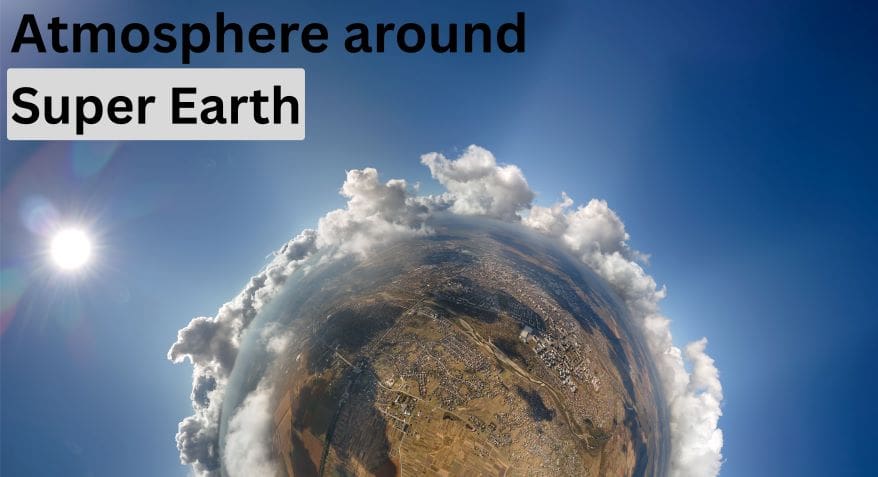
Scientists recently analyzed the atmosphere of a distant planet called TOI-561b. This planet is a Super-Earth located in our galaxy. At the present time, researchers use spectroscopy to find chemical signatures. They found high concentrations of heavy elements in its air. To illustrate, these elements suggest a complex geological history. TOI-561b orbits its star very quickly. This makes it one of the oldest rocky planets found. As a result, we now know rocky worlds formed very early in the universe.
Water Ice and Habitability on Mars
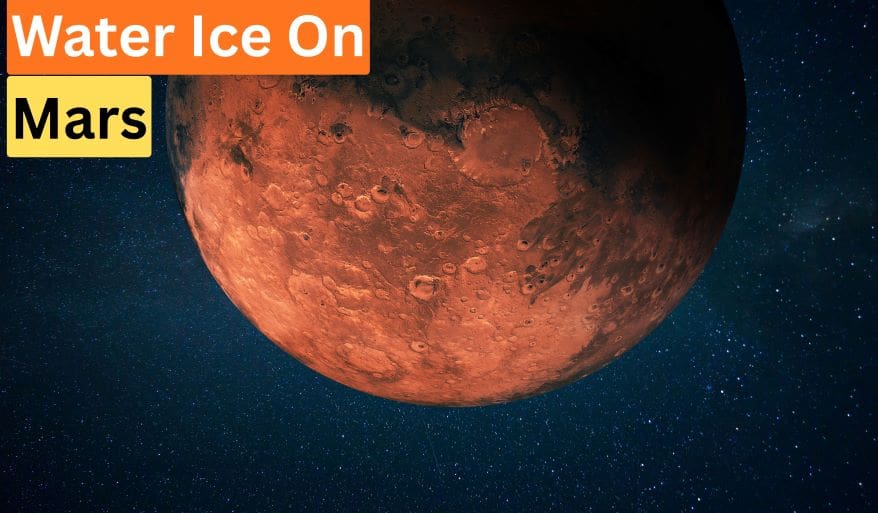
New data from Mars missions shows vast deposits of water ice. This ice sits just beneath the Martian surface. So far, this is the best evidence for potential habitability. Water is essential for life as we know it. All things considered, this ice could support future human colonies. To point out, the ice is located in the mid-latitude regions. This location makes it accessible for astronauts. In like manner, the discovery helps scientists plan where to land next.
Subaru Telescope Unveils Cosmic Mysteries
The Subaru Telescope in Hawaii captured stunning images of the deep universe. It discovered several ancient galaxies from the dawn of time. After all, these galaxies formed shortly after the Big Bang. The telescope uses a wide-field camera to map the sky. This tool allows it to see faint objects. To explain, these objects are billions of light-years away. Such as the case with distant nebulae, these images show how stars are born. In essence, the Subaru Telescope provides a window into the past.
Alaknanda: A Twin to the Milky Way
Astronomers found a new galaxy that looks exactly like our own. They named this galaxy Alaknanda. Analogous to the Milky Way, Alaknanda has a spiral shape. It contains billions of stars and vast clouds of gas. At this point, scientists are comparing its structure to our home galaxy. This helps them understand how spiral galaxies grow over time. In fact, Alaknanda has a similar central bulge. By comparison, it offers a perfect model for studying galactic evolution.
Magnetic Waves in the Sun
Researchers detected new types of magnetic waves in the Sun. These waves move through the solar atmosphere at high speeds. To put it another way, they carry energy from the core to the surface. This discovery explains why the corona is so hot. At this time, the Sun’s outer layer is hotter than its surface. This has puzzled scientists for decades. As a matter of fact, these magnetic waves provide the missing energy link. With this in mind, we can better predict solar flares.
The Largest Rotating Galaxy Filament
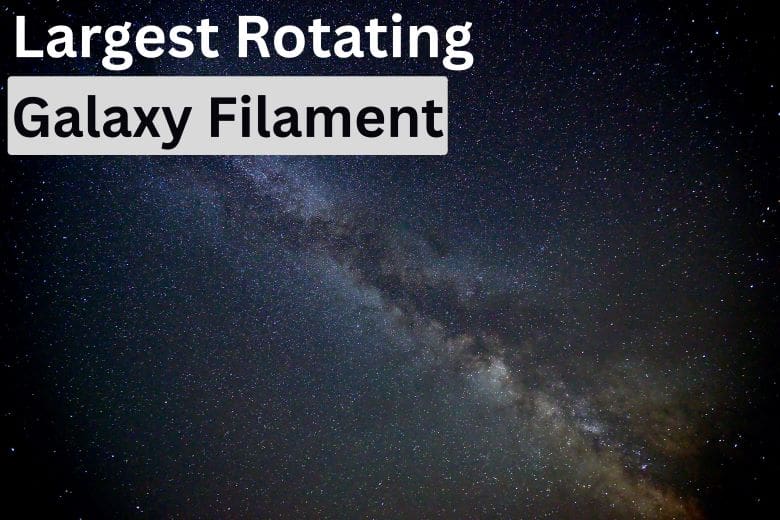
A massive structure called a galaxy filament was discovered in deep space. It is the largest rotating object ever seen in the cosmos. These filaments act like bridges between galaxy clusters. So long as gravity exists, these structures will continue to pull in matter. To be sure, its rotation affects the movement of nearby galaxies. At any rate, this finding changes our models of dark matter. It shows that the cosmic web is more dynamic than we thought.
Black Holes Ring After Collision
Scientists confirmed that black holes “ring” like bells after they collide. This happens when two black holes merge into one. This confirms a theory proposed by Stephen Hawking. After that collision, gravitational waves ripple through space. These waves carry a specific frequency. To sum up, the ringing sound fades as the new black hole stabilizes. While this may be true, detecting these waves requires extremely sensitive equipment. In short, Einstein and Hawking were right about gravity.
Life Potential on Super-Earths
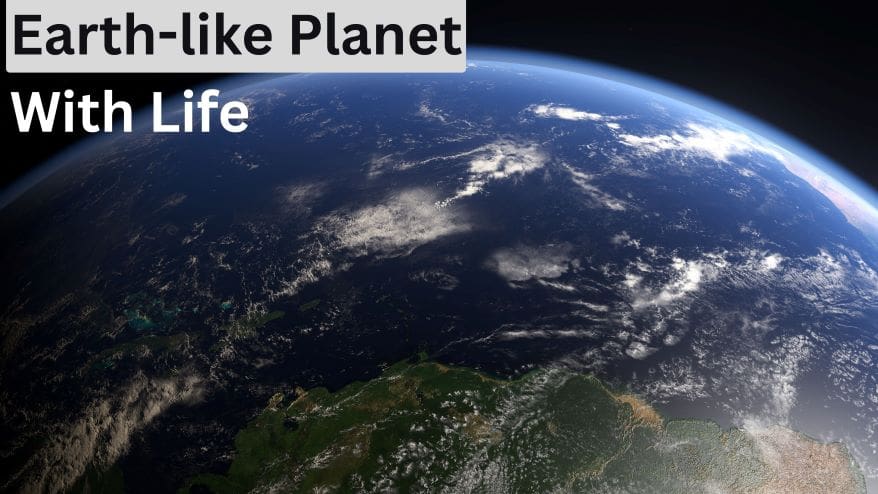
Recent studies suggest that Super-Earths are better candidates for life than Earth-sized planets. These planets have stronger gravity to hold onto thick atmospheres. Provided that they have water, they could remain habitable for billions of years. In light of this, researchers are focusing on planets in the habitable zone. To say nothing of the harsh radiation from some stars, thick air provides protection. All in all, the search for aliens is moving toward these larger worlds.
Cassiopeia A and the Origin of Life
The supernova remnant known as Cassiopeia A contains life-giving elements. Scientists found phosphorus and sulfur in the debris of this exploded star. Prior to this, we did not know how these elements spread through space. These chemicals are the building blocks of DNA. With this intention, astronomers are tracking how stardust reaches new planets. In reality, we are made of atoms that once lived inside a star. To put it differently, we are literal stardust.
Discovery of Three New Planets in Deep Space
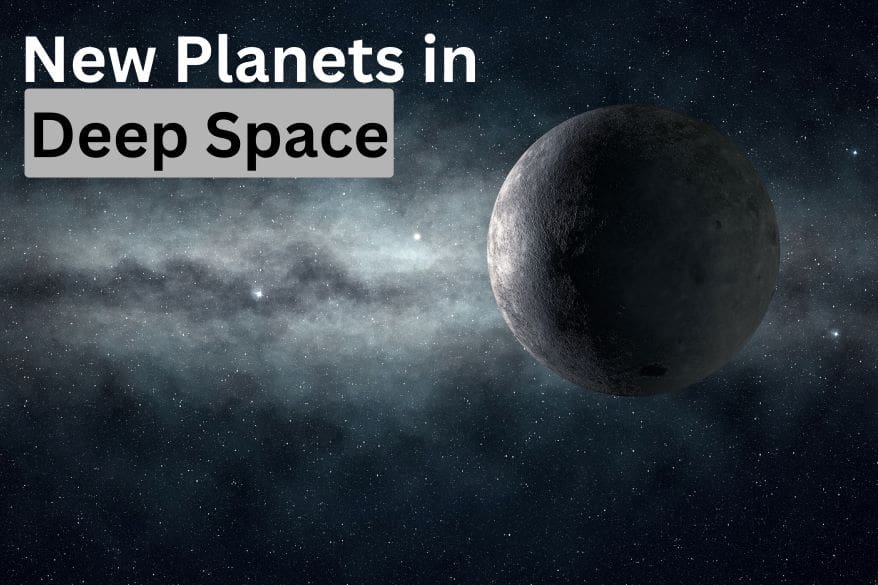
Three new planets were found orbiting a distant red dwarf star. These worlds are located in a region of space far from our solar system. At length, telescopes tracked their orbits to confirm their size. One of these planets is a gas giant, while the others are rocky. In similar fashion to our system, they orbit at different distances. To list their traits, they have stable orbits and clear atmospheres. This discovery shows that planetary systems are very common.
Top 10 Astronomy Discoveries in 2025: Conclusion
In conclusion, 2025 was a landmark year for astronomy. We found water on Mars and rings on black holes. We looked at the oldest stars and the largest structures. Each discovery brings us closer to understanding our place in the universe. Summing up, the tools we use today are better than ever before. With this purpose in mind, we look forward to what 2026 will bring. The cosmos is full of wonders waiting for us.