Many people cook with LPG. But what if LPG is not an option?
Best Alternatives to LPG for Cooking (Safe & Affordable Options)
Estimated reading time: 10 minutes
Many people cook with LPG. But what if LPG is not an option? This article shows alternatives for LPG. These ways are not only safe but also affordable. We will look at many choices.
Electricity powers many appliances. Stoves use electricity. Induction cooktops are popular. They are very efficient. In fact, they save energy.
Induction Stoves Explained

Induction stoves use magnets. They heat the cookware directly. This is very fast. They also cook evenly. To illustrate, food cooks quickly. What’s more, they are safe. There are no open flames. So, less risk of burns.
Safety Features of Induction
Many induction stoves have safety features. They detect if cookware is present. If no pot is there, they turn off. So, this prevents overheating. In general, they are quite safe.
Energy Efficiency of Induction
Induction stoves are very efficient. They lose little heat. This is unlike other electric stoves. So, they use less power. In sum, they are good for bills.
Other Electric Stoves
There are other electric stoves too. Coil burners are common. Electric radiant cooktops exist. They use heating elements. In fact, they are quite simple. While this may be true, they are less efficient than induction.
Pros of Electric Stoves
Electric stoves are easy to find. They are widely available. In general, they are affordable. They do not produce fumes. So, kitchens stay clean.
Cons of Electric Stoves
Electric stoves need a power source. Power outages are a problem. In fact, you cannot cook then. Also, they can be slow to heat. At least, compared to gas.
If you’re exploring safe and affordable alternatives to LPG for cooking, you may find it beneficial to read about the broader implications of pollution and its various types in relation to energy sources. Understanding the environmental impact of different fuels can help inform your choices. For more insights, check out this related article on pollution and its effects: Pollution: Its Types, Effect, and Remediation.
Biogas Offers a Green Solution and Alternative to LPG
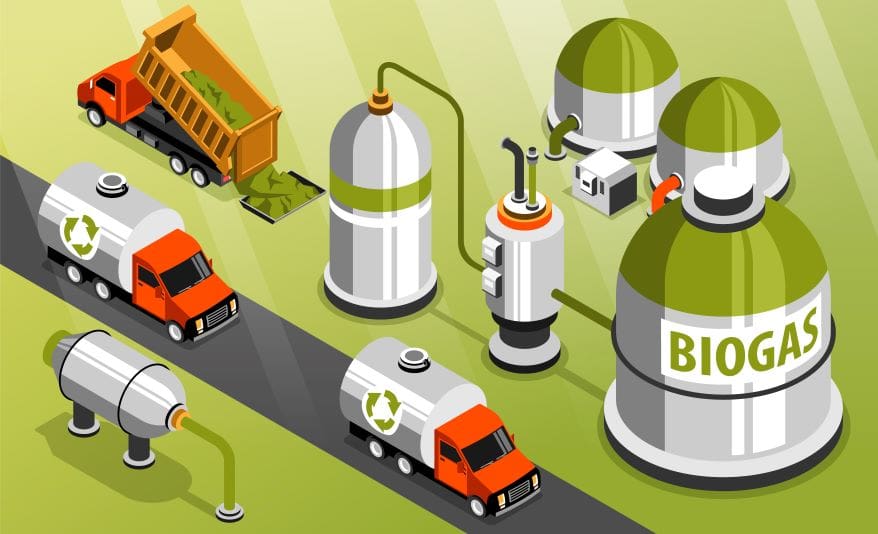
Biogas is a renewable fuel. It comes from organic waste. This waste includes animal dung. It also includes food scraps. So, it’s a form of recycling.
How Biogas is Made
Biogas is made in a digester. Waste goes into a tank. Bacteria break down the waste. This process creates gas. In fact, it’s a natural process. Vis a vis, it happens underground.
Components of Biogas
The main gas is methane. It burns like LPG. So, it works in the same stoves. What’s more, it’s odor-free. After that, the remaining slurry is useful.
Benefits of Biogas
Biogas is environmentally friendly. It reduces greenhouse gases. So, it helps the planet. In addition, it provides fertilizer. This fertilizer is rich in nutrients. To enumerate, it helps plants grow. All things considered, it’s a good system.
Biogas Stoves
Special stoves are needed for biogas. They are designed for the gas. They are often simpler than LPG stoves. In fact, they are very robust. So, they last a long time. At least, in rural areas.
Installation of Biogas Systems
Installing a biogas system requires space. A digester needs to be built. This can be done at home. It requires some technical skill. Provided that, the resources are available.
Affordability of Biogas
The initial cost can be high. Building a digester costs money. However, the fuel is free. So, in the long run, it saves money. All in all, it’s a good investment.
Kerosene Stoves: A Traditional Choice and Alternative to LPG
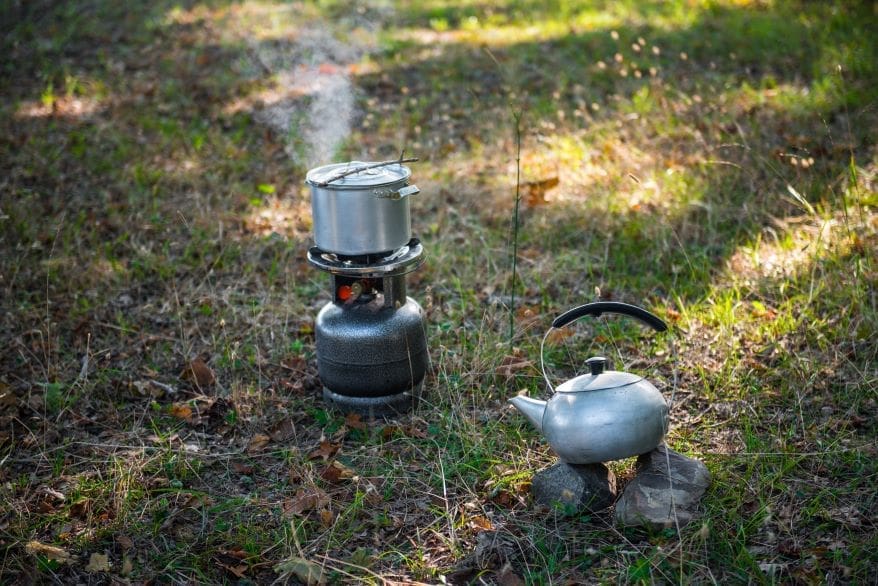
Kerosene stoves have been used for ages. They are still common in some places. They burn kerosene as fuel. In general, they are quite simple.
How Kerosene Stoves Work
These stoves have a wick. The wick soaks up kerosene. Then it is lit. Heat then rises. At first, it may produce smoke. So, ventilation is important.
Advantages of Kerosene
Kerosene is readily available. You can buy it in many shops. It is also relatively inexpensive. So, it’s affordable for many.
Disadvantages of Kerosene
Kerosene fumes are unhealthy. They can pollute the air. So, good ventilation is a must. In fact, it is very important. What’s more, it can be a fire hazard. The flame is open. So, caution is needed.
Maintenance of Kerosene Stoves
Kerosene stoves need regular cleaning. Wicks need to be trimmed. They can become clogged. After that, they won’t work well. So, maintenance is key.
Safety Precautions with Kerosene
Always use kerosene stoves in a well-ventilated area. Never refill a hot stove. Keep flammable materials away. So, safety first is important.
Cost Comparison with LPG
Kerosene cost can vary. It depends on location. At any rate, it is often cheaper than LPG. So, it’s an option for some.
Solar Cookers: Harnessing the Sun’s Power

Solar cookers use sunlight to cook. They do not use any fuel. So, they are very eco-friendly. In fact, they are completely free to run.
Types of Solar Cookers
There are different types. Box cookers are common. They have an insulated box. They also have a lid. Parabolic cookers are another type. They concentrate sunlight. So, they cook faster.
How Box Cookers Function
A box cooker uses reflection. Mirrors direct sunlight into the box. The box traps heat inside. So, food cooks slowly. In due time, meals are ready.
How Parabolic Cookers Function
A parabolic cooker has a dish shape. It focuses sunlight to a single point. This makes it very hot. So, it can boil water quickly. To point out, it cooks much faster.
Advantages of Solar Cooking
Solar cooking is very clean. No pollution is produced. So, it’s good for health. What’s more, the fuel is free. Sunlight is abundant. In sum, it has many benefits.
Limitations of Solar Cooking
Solar cooking depends on the sun. It does not work at night. It also works poorly on cloudy days. So, it’s not always reliable. At least, on its own.
When to Use Solar Cookers
Solar cookers are best for sunny climates. They are great for outdoor cooking. For example, picnics or camping. In fact, they are perfect for these.
If you’re exploring safe and affordable cooking options beyond LPG, you might find it useful to read about various sustainable energy sources in a related article. This piece discusses innovative alternatives that not only reduce your carbon footprint but also offer cost-effective solutions for everyday cooking needs. For more insights, check out this informative article on sustainable energy sources that can enhance your culinary experience while being environmentally friendly.
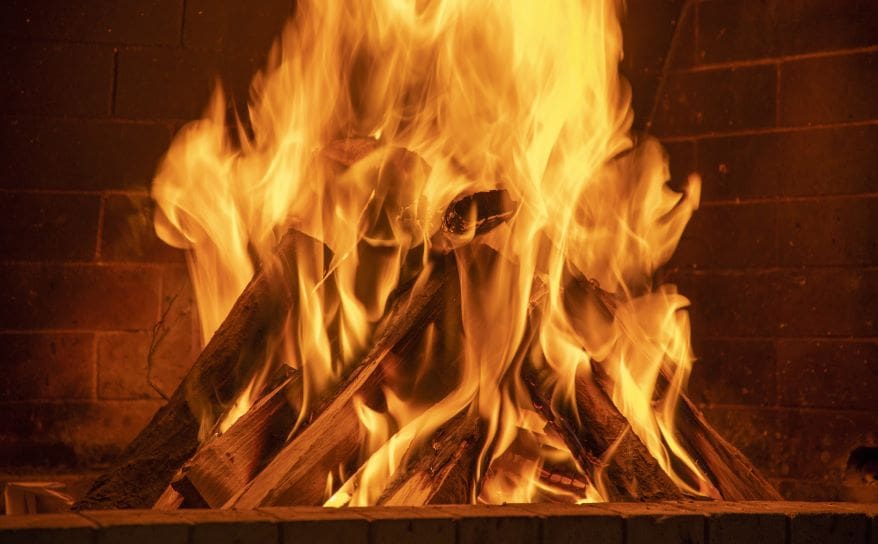
Wood Stoves: A Traditional and Accessible Fuel
| Alternative | Advantages | Disadvantages |
|---|---|---|
| Electric Induction Cooktop | Safe, energy efficient, precise temperature control | Requires compatible cookware, higher initial cost |
| Natural Gas | Affordable, widely available, instant heat | Requires gas connection, not available in all areas |
| Biomass Stoves | Uses renewable resources, low cost | Produces smoke, requires ventilation |
| Solar Cookers | Environmentally friendly, free energy source | Dependent on sunlight, longer cooking times |
Wood stoves are very common. They have been used for centuries. They burn wood for heat. So, they are readily accessible.
Efficient Wood Stove Designs
Modern wood stoves are efficient. They burn wood cleanly. So, they produce less smoke. They also use fuel wisely. In fact, they conserve wood.
How Modern Wood Stoves Work
These stoves have a firebox. Wood goes into the firebox. Air is supplied for burning. Heat then transfers to the cooking surface. So, it’s quite effective.
Benefits of Wood Stoves
Wood is often a cheap fuel. In many areas, it is free. So, it’s very affordable. Wood stoves can also heat homes. So, they have a dual purpose.
Challenges with Wood Stoves
Using wood creates smoke. Smoke can be a health concern. So, good ventilation is a must. Moreover, collecting wood takes time. So, it’s labor-intensive.
Environmental Impact of Wood Burning
Burning wood can cause air pollution. In fact, it contributes to smog. However, sustainable forestry helps. So, using responsibly sourced wood is key.
Safety Concerns with Wood Stoves
Wood stoves get very hot. So, caution is needed. Keeping children and pets away is wise. After that, install them safely.
If you’re exploring safe and affordable alternatives to LPG for cooking, you might find it interesting to read about the broader implications of energy storage solutions in China. The article discusses how advancements in energy storage can impact various sectors, including cooking technologies. For more insights, you can check out this related piece on China’s energy storage boom, which highlights the challenges and opportunities that come with transitioning to more sustainable energy sources.
Alternatives to LPG: Considering All Options Together
It’s important to weigh choices. Each option has pros and cons. Electricity is convenient. And generally safe. So, it’s a strong contender. Vis a vis, it needs reliable power. Biogas is green. And sustainable. So, it’s excellent for the environment. And can be very affordable. After all, the fuel is free. Kerosene is accessible. And often cheap. But fumes are a worry. Solar cookers are free. And clean. But dependent on weather. Wood is traditional. And plentiful. But creates smoke. And needs effort.
Making the Best Choice for You
Your location matters, your budget is important, and Your cooking habits are key. In fact, think about your needs. What is available to you? What are your priorities? So, consider these factors.
Availability of Resources
Check what fuels are local. See if electricity is reliable. Is wood readily available? Can you get biogas? So, research your area.
Cost and Affordability
Compare prices of stoves. And ongoing fuel costs. What fits your budget best? So, do the math.
Safety and Health
Prioritize safe options. Reduce air pollution. So, think about your family.
Environmental Impact
Choose greener alternatives. Help the planet. So, make an eco-conscious choice.
All in all, there are good choices. Electricity is a good all-rounder. Biogas is for the eco-conscious. Solar is for sunny days. Wood is a traditional standby. Kerosene is a budget option. So, choose wisely for your home.
Additionally, to stay updated with the latest developments in STEM research, visit ENTECH Online. Basically, this is our digital magazine for science, technology, engineering, and mathematics. Also, at ENTECH Online, you’ll find a wealth of information.
Alternatives to LPG: FAQs
What are the best alternatives to LPG for cooking?
The best alternatives to LPG for cooking include natural gas, electric stoves, induction cooktops, and biomass stoves. These options are safe and affordable for cooking purposes.
Is natural gas a safe alternative to LPG for cooking?
Yes, natural gas is a safe alternative to LPG for cooking. It is a clean-burning fuel and widely available in many areas. It is also considered to be more cost-effective than LPG.
Are electric stoves a good alternative to LPG for cooking?
Electric stoves are a good alternative to LPG for cooking. They are easy to use, clean, and do not produce any emissions. However, the cost of electricity should be considered when choosing this option.
What are the benefits of using induction cooktops as an alternative to LPG?
Induction cooktops are a popular alternative to LPG for cooking due to their energy efficiency, precise temperature control, and safety features. They are also easy to clean and offer fast cooking times.
Are biomass stoves a viable alternative to LPG for cooking?
Biomass stoves can be a viable alternative to LPG for cooking, especially in areas where biomass fuels are readily available. They are cost-effective and environmentally friendly, but proper ventilation is necessary to ensure safety.
References:
- Synák, F. (2019). Liquefied petroleum gas as an alternative fuel. Transportation Research Procedia. https://doi.org/10.1016/J.TRPRO.2019.07.076
- Floess, E., Grieshop, A., Puzzolo, E., Pope, D., Leach, N., Smith, C. J., Gill-Wiehl, A., Landesman, K., & Bailis, R. (2023). Scaling up gas and electric cooking in low- and middle-income countries: climate threat or mitigation strategy with co-benefits? Environmental Research Letters, 18(2023), Article 034010.https://doi.org/10.1088/1748-9326/acb501
- Author
- Latest Posts

I am an inspirational writer and emerging science blogger with a deep-rooted passion for understanding and sharing the wonders of the world around us. My journey began with a Bachelor of Science in Chemistry from AKI’s Poona College of Arts, Commerce and Science, where I developed not only a strong foundation in scientific principles but also a mindset that values curiosity, observation, and critical thinking. Studying chemistry has taught me to approach problems with logic, to look beyond the obvious, and to see patterns where others might only see complexity. These experiences have shaped the way I perceive life and influence the way I express my thoughts, both scientifically and creatively.
I have always believed that knowledge is only as powerful as the way it is shared. This belief has guided me to create content that bridges the gap between science and everyday life. I aim to simplify complex scientific ideas so they become approachable, relatable, and engaging for everyone—whether someone has a formal background in science or is simply curious about the world. Science, in my view, is not confined to textbooks and laboratories; it is a way of thinking, understanding, and connecting with the world around us. By making science accessible, I hope to inspire curiosity, ignite learning, and encourage people to see the beauty and relevance of scientific discovery in their daily lives.
Alongside my love for science, I am deeply passionate about motivational writing. I believe words carry the power to transform perspectives, encourage self-reflection, and inspire action. By combining analytical thinking with creativity, I create content that is intellectually stimulating yet emotionally resonant. Whether I am breaking down a chemical concept, exploring a scientific phenomenon, or crafting motivational narratives, my goal is to communicate ideas in a way that is clear, meaningful, and impactful.
Through my work, I strive to empower my readers—not just by helping them understand the science around them, but by inspiring them to grow, learn, and realize their full potential. Every article, post, or story I write reflects my commitment to turning knowledge into inspiration. I want to spark curiosity, encourage self-improvement, and show that learning and personal growth are deeply connected. For me, writing is not just a craft; it is a way to touch minds, connect hearts, and make ideas come alive in a way that truly resonates.