Iron based anticancer drugs are changing cancer treatment. Learn the science, and explore STEM careers in medicinal chemistry.
Iron-Based Anticancer Drugs: How Metal Chemistry is Changing
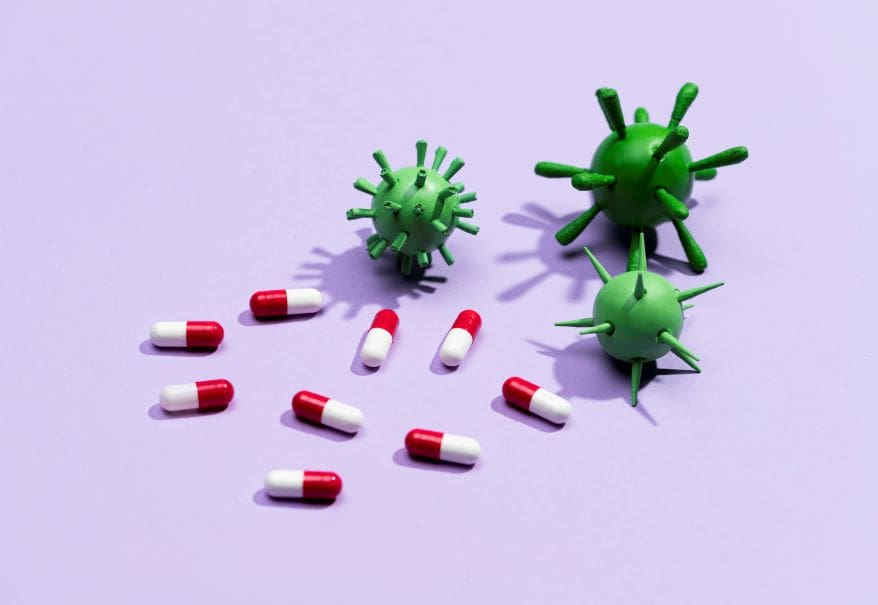
The landscape of cancer treatment is shifting. While traditional chemotherapy relies on organic compounds, a new class of therapeutics is emerging from an unexpected source: metal-based anticancer drugs. Among these, iron-based compounds are gaining significant attention for their selectivity, reduced toxicity, as well as novel mechanisms of action. However, This article explores the chemistry behind these revolutionary drugs.
What Are Iron-Based Anticancer Drugs?
Iron-based anticancer drugs are coordination complexes where the metal iron (Fe) is bound to organic ligands. Unlike platinum-based drugs like cisplatin, these compounds exploit iron’s natural abundance in the body and its redox chemistry. The most promising candidates are iron(III) and iron(II) complexes that are design to be activat within the tumor microenvironment. They differ from traditional drugs because they are “prodrugs“—they remain inactive until they encounter a cancer cell’s unique acidic and hypoxic conditions. As a result, This selectivity reduces systemic side effects for patients.
Why Metals Matter in Cancer Drug Design
Why use metals? The answer lies in their unique properties. Metal-based anticancer drugs offer three distinct advantages over organic molecules:
Variable Oxidation States: Iron can switch between Fe(II) as well as Fe(III), enabling catalytic reactions inside cells.
Geometry: Metals allow for octahedral, square planar, as well as trigonal bipyramidal geometries, enabling precise targeting of protein pockets.
Kinetic Stability: Metal complexes can be tune to release their payload only at the tumor site.
According to a 2023 review in Dalton Transactions, over 100 iron complexes are currently in preclinical development, targeting cancers from breast to pancreatic.
How Iron Compounds Affect Cancer Cells
The mechanism is a marvel of bioinorganic chemistry. When an iron-based drug enters a cancer cell, it undergoes a reaction known as the Fenton reaction. Inside the cell, the drug reacts with hydrogen peroxide (H₂O₂), which is significantly elevate in cancer cells. This reaction produces the highly reactive hydroxyl radical (•OH). Importantly, this radical is so unstable that it damages only the immediate surroundings—the cancer cell’s own DNA, lipids, and mitochondria. Thus, This is a form of “targeted radical therapy.”
Oxidative Stress and Cell Death
The key to their efficacy is oxidative stress. However, Cancer cells already operate at a high baseline of reactive oxygen species (ROS). Iron-based drugs push them over the edge. The newly generated hydroxyl radicals cause:
Lipid peroxidation: Destruction of the cell membrane
DNA strand breaks: Preventing replication.
Mitochondrial dysfunction: Cutting off the cell’s energy supply.
This process often leads to ferroptosis—a form of regulated cell death driven by iron-dependent lipid peroxidation. This is distinct from apoptosis (programm cell death), meaning iron drugs can kill cancer cells that have become resistant to standard chemotherapy.
Metal-Based Drugs vs Traditional Chemotherapy
| Feature | Traditional Chemotherapy (e.g., Doxorubicin) | Iron-Based Anticancer Drugs |
|---|---|---|
| Mechanism | DNA intercalation or topoisomerase inhibition | Oxidative stress via Fenton chemistry |
| Toxicity | High: heart, liver, kidney damage | Lower due to tumor-specific activation |
| Resistance | Common (efflux pumps) | Uncommon (no single target) |
| Selectivity | Low: affects all dividing cells | High: acidic/hypoxic tumor environment |
Current Research and Limitations
Despite their promise, metal-based anticancer drugs face hurdles. The primary challenge is stability; many iron complexes are sensitive to oxygen and degrade in the bloodstream before reaching the tumor. Researchers are developing novel ligands such as ferrocene derivatives and cyclopentadienyl iron complexes to improve stability. A 2024 study from the Journal of Cancer Research highlights that a new iron(III) complex showed 80% tumor reduction in mouse models with minimal nephrotoxicity. However, human trials for iron-based drugs are still in Phase I/II, and pharmacokinetics remain a significant research focus. Additionally, delivery systems (e.g., nanoparticle encapsulation) are being test to avoid premature degradation.
FAQs About Metal-Based Anticancer Drugs
Q: Are iron-based drugs safer than platinum drugs?
Early evidence suggests they may be safer due to their selective activation. However, long term data is limited. Always consult an oncologist.
Q: Can these drugs cure cancer on their own?
Currently, they are being studied as combination therapies. No single drug is a universal cure, but they offer a powerful new tool.
Q: Are there any approved iron-based anticancer drugs?
Not yet for systemic use. The only iron-based cancer therapy in clinical use is ferumoxytol, which is an iron oxide nanoparticle used for imaging and, experimentally, for chemo sensitization.
Q: What does the future hold?
Experts predict the first approved iron-based anticancer drug for solid tumors could arrive by 2030, pending results from ongoing Phase II trials.
Reference
Benetti, S., Cinci, A., Zappelli, C., & Marchetti, F. (2026). Diiron(I) bis(cyclopentadienyl) complexes with bridging iminium ligands: From foundational organometallic chemistry to unique reactivity and biological potential. Accounts of Chemical Research. Advance online publication. https://doi.org/10.1021/acs.accounts.6c00038
- Author
- Latest Posts

I am an inspirational writer and emerging science blogger with a deep-rooted passion for understanding and sharing the wonders of the world around us. My journey began with a Bachelor of Science in Chemistry from AKI’s Poona College of Arts, Commerce and Science, where I developed not only a strong foundation in scientific principles but also a mindset that values curiosity, observation, and critical thinking. Studying chemistry has taught me to approach problems with logic, to look beyond the obvious, and to see patterns where others might only see complexity. These experiences have shaped the way I perceive life and influence the way I express my thoughts, both scientifically and creatively.
I have always believed that knowledge is only as powerful as the way it is shared. This belief has guided me to create content that bridges the gap between science and everyday life. I aim to simplify complex scientific ideas so they become approachable, relatable, and engaging for everyone—whether someone has a formal background in science or is simply curious about the world. Science, in my view, is not confined to textbooks and laboratories; it is a way of thinking, understanding, and connecting with the world around us. By making science accessible, I hope to inspire curiosity, ignite learning, and encourage people to see the beauty and relevance of scientific discovery in their daily lives.
Alongside my love for science, I am deeply passionate about motivational writing. I believe words carry the power to transform perspectives, encourage self-reflection, and inspire action. By combining analytical thinking with creativity, I create content that is intellectually stimulating yet emotionally resonant. Whether I am breaking down a chemical concept, exploring a scientific phenomenon, or crafting motivational narratives, my goal is to communicate ideas in a way that is clear, meaningful, and impactful.
Through my work, I strive to empower my readers – not just by helping them understand the science around them, but by inspiring them to grow, learn, and realize their full potential. Every article, post, or story I write reflects my commitment to turning knowledge into inspiration. I want to spark curiosity, encourage self-improvement, and show that learning and personal growth are deeply connected. For me, writing is not just a craft; it is a way to touch minds, connect hearts, and make ideas come alive in a way that truly resonates.