Introduction to AI-Powered Categorization and Problem Solving Every time a student faces a technical issue—whether a slow laptop, a login failure, or a problem accessing an online classroom—someone must understand the nature of the problem…
AI-Powered Categorization for Student Problem Solving
Introduction to AI-Powered Categorization and Problem Solving
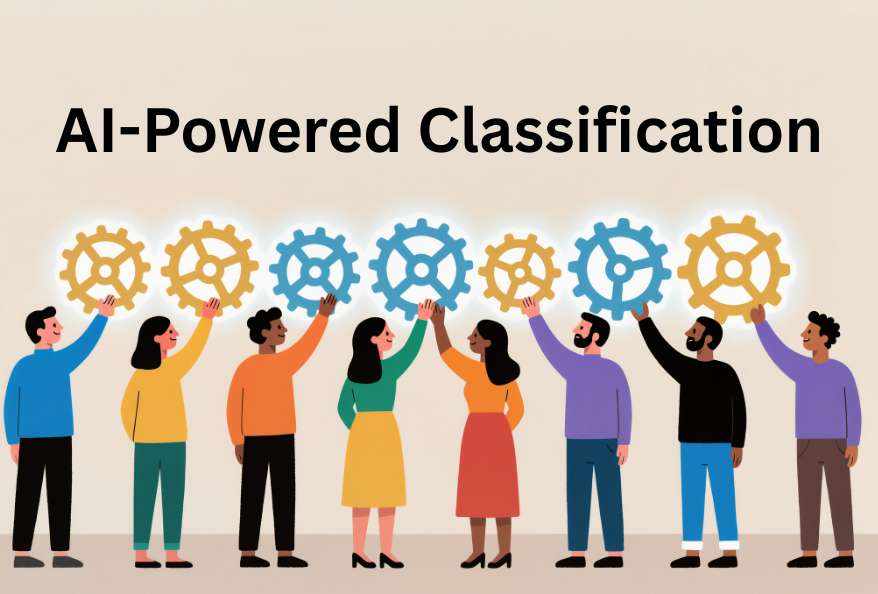
Every time a student faces a technical issue—whether a slow laptop, a login failure, or a problem accessing an online classroom—someone must understand the nature of the problem and direct it to the right person or support system. In the real world, this is done through IT Service Management (ITSM). Today, artificial intelligence plays a major role in recognizing, categorizing, and assigning problems faster than ever. This article introduces students to an exciting branch of STEM: AI-Powered Categorization (or AI-driven problem classification), a technology that is shaping how schools, colleges, and modern companies solve issues efficiently. Students will learn how intelligent categorization works, why it matters, and the future career options it opens.
DOMAIN: AI-POWERED CATEGORIZATION IN SERVICE MANAGEMENT (ITSM)
Artificial Intelligence (AI) is transforming the world of problem-solving by teaching computers how to “read” issues written in natural language and automatically categorize them. This process—called intelligent categorization—is essential in IT Service Management, where thousands of issues are reported every day in large universities, hospitals, airlines, and technology companies.
1. What Is AI-Powered Intelligent Categorization?
When a student writes: “My laptop freezes whenever I try to open my project file,” a human support staff must read this, understand the problem, match it to the correct category, and assign it to the right technical team. AI can do this instantly by analyzing keywords, patterns, past issues, context, and technical terms.
2. Why Categorization Matters in Real Systems
Thousands of students depend on stable digital systems. Incorrect categorization leads to delays, frustration, and poor user experience. AI ensures categorization is fast, consistent, and accurate.
3. The Science Behind AI-Powered Categorization
AI uses Natural Language Processing (NLP), machine learning classification models, pattern recognition, and confidence scoring to understand issues and route them appropriately.
4. Real Examples for Students
- “Google Classroom not loading” → Application Issue
- “Wi-Fi disconnecting repeatedly” → Network Issue
- “Printer not responding in lab” → Hardware Issue
- “Forgot password for school portal” → Account Issue
5. How Students Use This Technology Daily
Many school help desks already use AI behind the scenes to categorize, prioritize, and suggest solutions.
Educational Opportunities in AI-Powered Categorization

In AI-Powered Categorization, students can explore subjects like:
- Computer Science Fundamentals
- Python Programming
- Artificial Intelligence
- Information Systems
- Cloud Computing
Free courses from Coursera, Khan Academy, Google, Microsoft, and IBM introduce AI concepts without requiring advanced knowledge.
Hands-on tools include Python NLP libraries (NLTK, spaCy), Google Colab, Hugging Face models, Teachable Machine, and ServiceNow developer instances.
Student project ideas for AI-Powered Categorization:
- School Help Desk Portal
- AI Homework Categorizer
- Classroom Issue Tracker
- Troubleshooting Assistant App
Career Path in AI Categorization
This domain opens roles such as:
- IT Support Analyst
- Junior Data Analyst
- Automation Assistant
- Workflow Designer
- AI Workflow Engineer
- ServiceNow Developer
- NLP Engineer
Industries hiring include tech companies, universities, healthcare networks, banks, government agencies, and manufacturing firms.
AI-Powered Categorization: Conclusion
AI-powered categorization connects real-world problem-solving to classroom learning. Students face technical issues every day, and understanding how AI analyzes and categorizes these issues builds critical skills in logic, computational thinking, and digital literacy. Exploring this domain enables learners to step into future careers in AI, automation, software engineering, and digital workflow design.
Additionally, to stay updated with the latest developments in STEM research, visit ENTECH Online. Basically, this is our digital magazine for science, technology, engineering, and mathematics. Further, at ENTECH Online, you’ll find a wealth of information.
TRANSITION TO ARTICLE 2
In next article, we explore how AI not only categorizes problems but also provides smart solution recommendations—helping students solve issues quickly and independently.
References:
- Google AI for Youth. (2023). Foundations of Artificial Intelligence. https://ai.google
- IBM SkillsBuild. (2023). AI Fundamentals. https://skillsbuild.org
- Microsoft. (2022). Azure AI Fundamentals. https://learn.microsoft.com/azure/ai
- Author
- Latest Posts