Wherever people want to “talk” to technology, you’ll find voice UX designers.
The Coolest Tech Jobs You Haven’t Heard Of: Voice UX Designer

Estimated reading time: 5 minutes
Have you ever told Siri, Alexa, or Google Assistant to set a reminder or play a song? Behind that smooth interaction is the work of a Voice UX Designer. These professionals shape how smart assistants and voice interfaces talk, respond, and feel natural to users. This job role blends design, psychology, linguistics, and artificial intelligence, making it one of the most exciting roles in technology today.
What Does a Voice UX Designer Do?
A Voice UX Designer crafts the entire conversation between humans and machines. Instead of focusing on buttons or screens, they design how words, tone, and pauses feel during voice interactions.
Their key tasks include:
- Designing conversational flows for smart assistants and apps.
- Ensuring systems understand accents, dialects, and context.
- Writing and testing voice scripts for natural responses.
- Working with AI engineers to improve speech recognition.
Essentially, they make sure that asking your phone a question feels like talking to a helpful human—not a robot.
Why Is This Job So Cool?
This career is cool because it turns technology into conversation. While screens made tech visual, voice makes tech human. Imagine controlling your home, your car, or even your health device simply by talking. That’s what voice UX designers help build.
It’s cool because:
- You combine language, AI, and creativity.
- You work on technologies used by millions each day.
- You bring empathy into machines, making them more people-friendly.
As Amazon’s Alexa team explains, “Designing for voice isn’t about commands—it’s about conversations.” This highlights the importance of empathy and design thinking in this role.
Also Read: Why User Experience Matters in Virtual Classrooms
How Voice UX Design Works
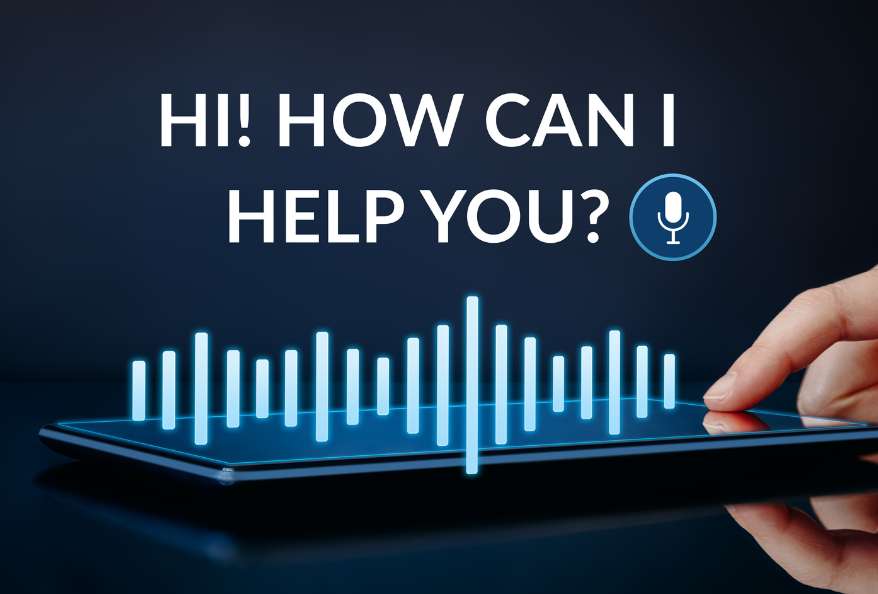
When you say, “What’s the weather today?” a lot happens behind the scenes.
- Speech recognition converts your voice into text.
- Natural language processing (NLP) understands the intent.
- AI models generate a response.
- Voice UX design ensures the response sounds natural, clear, and polite.
Without careful voice UX, the system might give robotic or confusing replies. With good design, the assistant sounds personalized and easy to trust.
Career Path to Becoming a Voice UX Designer
Students interested in this field can start by exploring subjects like:
- Linguistics and Language Studies
- Cognitive Psychology
- Human-Computer Interaction (HCI)
- Artificial Intelligence and UX Design
Specialized courses in Voice User Interface (VUI) design are also available. Many tech companies now hire interns who help refine conversational flows for new apps and devices.
Over time, professionals may move into roles like Voice UX Researcher, Conversation AI Designer, or VUI Strategist.
Skills Needed for a Voice UX Designer
This career rewards those with technical and creative minds.
Technical skills:
- Familiarity with speech recognition AI.
- Understanding of NLU/NLP (Natural Language Understanding).
- Knowledge of design tools like Figma, and prototyping platforms.
- Testing on voice platforms (Alexa Skills Kit, Google Actions, or Dialogflow).
Soft skills:
- Empathy to design natural conversations.
- Clarity in writing prompts and scripts.
- Adaptability, since language constantly evolves.
- Problem-solving for cultural and accent differences.
This mix makes voice UX designers both storytellers and tech designers.
Where Do Voice UX Designers Work?

The opportunities are vast because voice interaction is everywhere.
- Smart Homes: Designing voice experiences for Alexa or Google Assistant.
- Healthcare: Building systems for patient voice check-ins.
- Automotive: Shaping in-car assistants like Mercedes MBUX or Tesla voice commands.
- Mobile Apps: Adding voice search and control features.
- Customer Support: Creating chatbots that handle natural conversation.
Wherever people want to “talk” to technology, you’ll find voice UX designers.
Future Growth of Voice UX Careers
According to a 2024 Voicebot.ai industry report, more than 50% of U.S. households now use voice assistants daily. This number keeps climbing worldwide as devices become smarter and cheaper.
With rising demand for AI-driven, voice-first experiences, companies need skilled professionals who can blend design, psychology, and technology into engaging voice interfaces.
That means career growth will stay strong well into the future.
Also Read: Immersive technology and Future of Work
Voice UX Designer: Should Students Choose This Career?
Students should consider this career if they enjoy storytelling, psychology, and AI. It is not only highly creative but also meaningful. You help shape technology so it feels natural for humans.
For parents, this field is promising because companies in healthcare, automotive, mobile, and smart homes are heavily investing in voice technology. The demand for voice UX designers is outpacing supply, offering excellent job prospects for the future.
Conclusion
A Voice UX Designer crafts the personality of technology through conversation. They combine linguistics, psychology, and design to make machines feel less robotic and more human. From smart homes to healthcare assistants, their work touches millions of lives daily.
For students, it’s a chance to merge creativity with AI. For parents, it’s reassurance that this career is booming and future-proof. With voice technology becoming central to how we live and work, Voice UX Designers are shaping the future of human-machine interaction.
Additionally, to stay updated with the latest developments in STEM research, visit ENTECH Online. Basically, this is our digital magazine for science, technology, engineering, and mathematics. Further, at ENTECH Online, you’ll find a wealth of information.
References:
- Deshmukh, A. M., & Chalmeta, R. (2024). User Experience and Usability of Voice User Interfaces: A Systematic Literature review. Information, 15(9), 579. https://doi.org/10.3390/info15090579
- Klein, A. M., Deutschländer, J., Kölln, K., Rauschenberger, M., & Escalona, M. J. (2023). Exploring the context of use for voice user interfaces: Toward context‐dependent user experience quality testing. Journal of Software Evolution and Process, 36(7). https://doi.org/10.1002/smr.2618
- Author
- Latest Posts

Deven Nandapurkar is a Software Engineer, Project Lead; working at the strategic intersection of software engineering, productivity science, and emerging technologies. Driven by a core philosophy of “building things worth building,” he leads cross-functional teams and drives end-to-end technical strategy—from early-stage conceptualization through production-grade deployment.
A Computer Engineering graduate from Pune University, Deven brings a sharp systems-thinking approach to technical leadership, honed by years of managing high-stakes engineering projects and leading teams to top placements in national and international hackathons, including the NASA Space Apps Challenge and the Peerlist GenAI Hackathon.
Deven explores how human cognition and emerging technology converge. He regularly writes about cognitive performance optimization, attention management, AI integration, and the evolving dynamics of the modern workforce – offering actionable frameworks for professionals seeking to maximize their productivity and thrive alongside intelligent systems.


