This glowing mystery is more than just fascinating to watch.
The Ball Lightning Phenomenon: Nature’s Glowing Mystery
Estimated reading time: 3 minutes
What is the Ball Lightning Phenomenon? A Strange Sight in the Sky
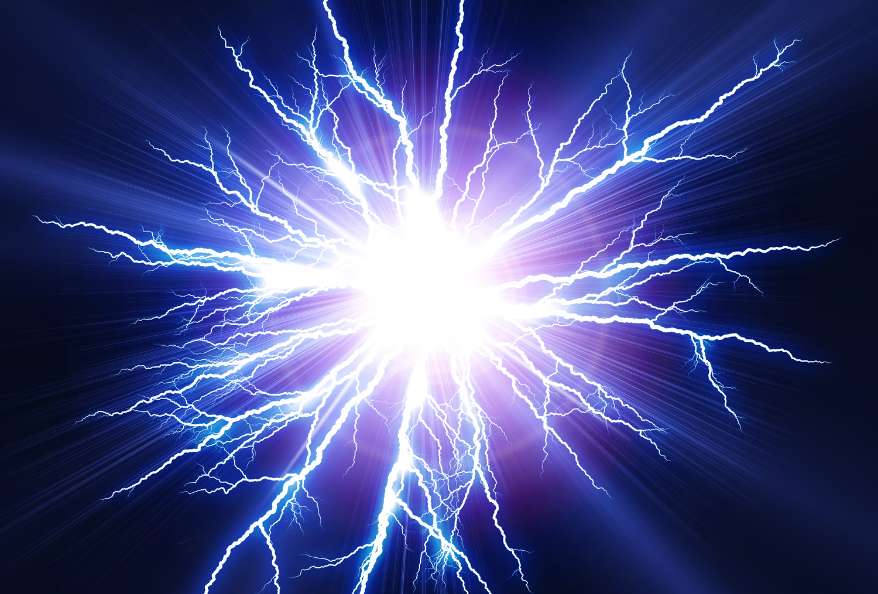
Have you ever heard about ball lightning phenomenon? It is an unusual and rare natural event that looks like a glowing, floating ball of light. This strange light can appear during thunderstorms. It might be as small as a pea or as large as a football. People have reported seeing it hover near the ground or move slowly in the air, glowing in colors like red, orange, yellow, or blue. Despite being seen for hundreds of years, scientists still don’t fully understand how it forms or why it behaves so mysteriously.
The Mystery Behind the Ball Lightning Phenomenon
Ball lightning is puzzling because it does not behave like normal lightning. It can last from a few seconds to several minutes, while regular lightning lasts only a fraction of a second. Sometimes, it passes through windows or even walls without breaking them. Many witnesses say it moves unpredictably, spins, or follows metal objects. Besides glowing, it often smells like ozone or burning sulfur. However, no one has found a clear explanation yet.
Scientists have proposed many ideas. One popular theory suggests ball lightning forms when lightning strikes the ground and vaporizes silicon in the soil. This vapor glows because it recombines with oxygen, creating a floating ball of hot silicon particles. Another idea is that ball lightning is a plasma, a highly energized gas, trapped in a magnetic field, which allows it to float and glow. Further research also explores how microwave radiation inside thunderstorms might create plasma bubbles like ball lightning.
Real-Life Significance of the Ball Lightning Phenomenon
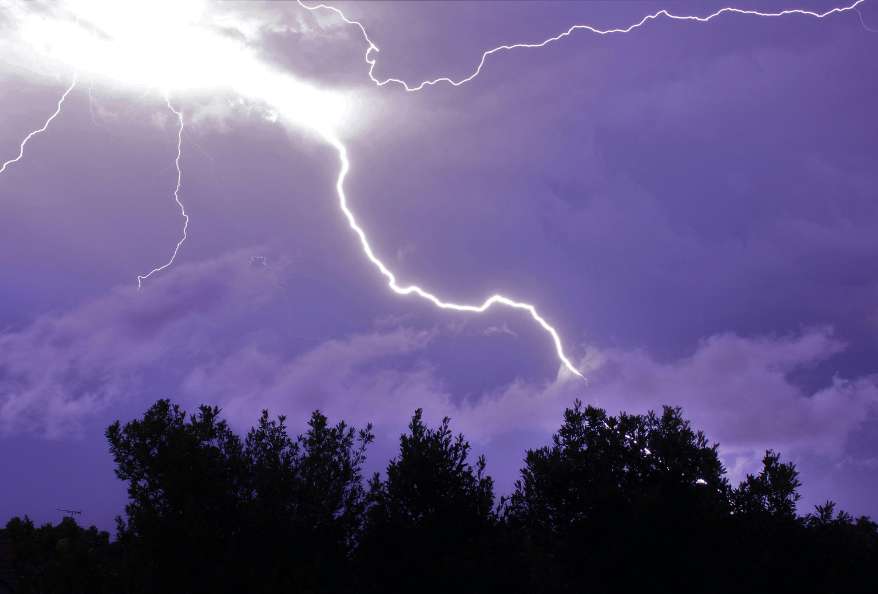
Why should we care about ball lightning? This glowing mystery is more than just fascinating to watch. Understanding it could help make electrical systems safer during storms. Ball lightning has sometimes caused damage by burning objects or breaking windows. For example, pilots have reported seeing ball lightning inside airplane cockpits, which is both scary and dangerous.
How Scientists Are Studying Ball Lightning
Scientists worldwide are working hard to unravel this mystery. Research groups have even managed to create glowing plasma balls in laboratories that resemble natural ball lightning. A team led by John Lowke from CSIRO recently published a groundbreaking theory explaining how ball lightning can appear in houses and airplanes and even pass through glass windows. According to Lowke, ball lightning forms when leftover ions, charged particles from lightning, excite air around windows, creating that glowing sphere.
Dr. Lowke said: “A crucial proof of any theory of ball lightning would be if the theory could be used to actually make ball lightning. Our work provides the first mathematical solution explaining its birth.”
This research brings us closer to understanding this natural wonder.
Conclusion
The ball lightning phenomenon reminds us that nature still holds many secrets. It challenges scientists to think beyond the ordinary and explore new physics. For students and science enthusiasts, it’s a thrilling example of how even familiar forces like electricity can surprise us. It also teaches the importance of careful observation and creative thinking in science.
Additionally, to stay updated with the latest developments in STEM research, visit ENTECH Online. Basically, this is our digital magazine for science, technology, engineering, and mathematics. Further, at ENTECH Online, you’ll find a wealth of information.
Reference:
- Donoso, J., Trueba, J. L., & Rañada, A. F. (2006). The Riddle of Ball Lightning: A review. The Scientific World JOURNAL, 6, 254–278. https://doi.org/10.1100/tsw.2006.48
- Author
- Latest Posts

Neha Adikane holds a Master’s degree in Environmental Science from Pune University, bringing a unique blend of scientific expertise and creative writing skills to her craft. She specializes in creating engaging, insightful, and impactful content across various niches. With a passion for translating complex ideas into simple, relatable narratives, she excels at crafting blogs, articles, website content, and social media posts that captivate readers and drive engagement. Neha’s background in environmental science adds depth to her writing, allowing her to effectively cover topics related to sustainability, eco-awareness, and scientific innovations.


