Artificial Intelligence (AI) and workflow automation are shaping how students learn, collaborate, and also solve problems in STEM education. Modern classrooms are evolving into innovation labs where students act as Scrum Masters, Product Owners, and…
AI for the Next Generation: Inspiring Students to Build the Future
Estimated reading time: 0 minutes
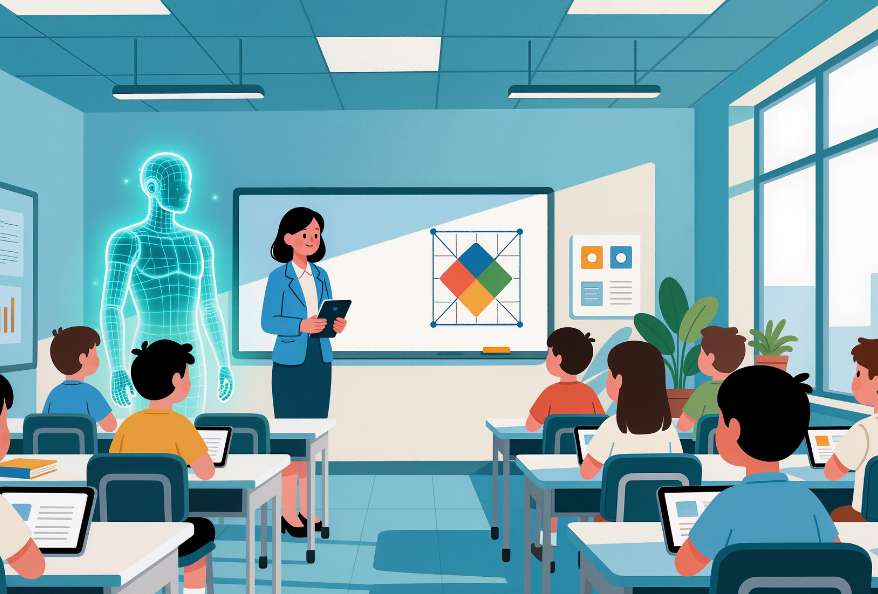
Artificial Intelligence (AI) and workflow automation are shaping how students learn, collaborate, and also solve problems in STEM education. Modern classrooms are evolving into innovation labs where students act as Scrum Masters, Product Owners, and Developers – roles certainly inspired by real-world agile practices.
AI in Education: Opening Pathway to In-Demand Careers
AI and automation have unlocked an entirely new category of careers that blend technology, collaboration, and leadership. Students who understand the fundamentals of artificial intelligence, workflow design, and agile teamwork are preparing themselves for some of the most sought-after roles in modern enterprises.
At the technical level, AI Automation Specialists design systems that reduce repetitive tasks, enhance data-driven decisions, and improve efficiency across industries. In parallel, Product Owners act as visionaries who translate user needs into actionable goals, ensuring that teams deliver meaningful outcomes. Scrum Masters focus on teamwork, removing obstacles, and maintaining a culture of innovation and continuous improvement. These career paths are not limited to software companies—healthcare, finance, education, and manufacturing all need professionals who can apply automation and AI to real-world challenges. By combining certifications, hands-on projects, and guided training from platforms like coursiv, students can turn curiosity about technology into purposeful, high-impact professions that shape the intelligent workplaces of the future.
AI and Workflow Automation in Classrooms

AI-powered tools and workflow platforms (e.g., a Personal Developer Instance of an enterprise workflow system) help students design forms, automate responses, and track requests. They learn logical sequencing, data structures, as well as user-centered design.
Ethical and Responsible AI
Students should explore responsible data use, bias prevention, and transparency – aligned with frameworks such as NIST AI RMF and the EU AI Act.
Safe Educational Sandbox
A no-cost developer environment lets students safely simulate real workflows. They can build a ‘School Help Desk’, add triage rules, and also measure cycle time and throughput.
Learning Teamwork Through Agile Roles
Assigning Scrum roles not only encourages leadership but also accountability. Students practice stand-ups, backlog prioritization, as well as iteration – core principles used across industries.
AI in Education: Conclusion
Blending AI, workflow automation, and agile practice prepares students for the intelligent workplace – not only building technical skill, collaboration, but also ethical awareness.
Additionally, to stay updated with the latest developments in STEM research, visit ENTECH Online. Basically, this is our digital magazine for science, technology, engineering, and mathematics. Further, at ENTECH Online, you’ll find a wealth of information.
References
- AI Risk Management Framework | NIST. (2025, May 5). NIST.
https://www.nist.gov/itl/ai-risk-management-framework - Cardona, M., Rodríguez, R. J., Ishmael, K., & U.S. Department of Education. (2023). Artificial intelligence and the future of teaching and learning. https://www2.ed.gov/documents/ai-report/ai-report.pdf
- Author
- Latest Posts

Srikanth Madabhushi is an AI Automation & Workflow Specialist with an MS in Artificial Intelligence. He designs innovative ServiceNow and AI-driven enterprise solutions that help organizations automate, optimize, and predict operational outcomes. Srikanth mentors students on emerging technologies, problem-solving, and career pathways in AI and automation.