Drug addiction alters brain chemistry, particularly affecting neurotransmitters like dopamine.
The Chemistry of Drug Addiction

The Chemistry of Drug Addiction is one of most interesting topics of Chemistry.
Drug addiction is a significant global health concern affecting millions of individuals across all demographic groups. This chronic condition transcends social, economic, and cultural boundaries, impacting people regardless of age, gender, or socioeconomic status. The progression from initial substance use to addiction typically occurs gradually, as recreational or experimental consumption evolves into physiological and psychological dependence.
Many individuals experiencing addiction recognize their condition but struggle with the neurobiological and behavioral changes that make cessation extremely challenging. Understanding the mechanisms of addiction is essential for developing effective treatment approaches. Scientific research demonstrates that addiction alters brain structure and function, particularly in areas governing reward, motivation, and decision-making.
Public education about addiction’s neurobiological basis helps reduce stigma and promotes evidence-based interventions. Early recognition of warning signs enables timely intervention, significantly improving recovery outcomes. Social support networks, particularly family members and close associates, are critical components of successful treatment programs, providing emotional support and encouragement for individuals seeking professional assistance.
Also read: Electronic Displacement effect
Key Takeaways of the Chemistry of Drug Addiction
- Drug addiction alters brain chemistry, particularly affecting neurotransmitters like dopamine.
- Dopamine plays a central role in the reward system, reinforcing addictive behaviors.
- Withdrawal symptoms result from chemical imbalances when drug use stops.
- Drug tolerance develops as the body adapts, requiring higher doses for the same effect.
- Various treatment options target both the brain’s chemistry and behavioral aspects of addiction.
The Brain and Drug Addiction
- The brain is a complex organ. It controls thoughts, emotions, and behaviors.
- Drugs can change how the brain works.
- They affect the brain’s natural chemistry. This alteration can lead to addiction. When someone uses drugs, they may feel pleasure.
- This feeling can be intense and rewarding. Over time, the brain adapts to these changes. It starts to rely on drugs for pleasure.
- This dependency makes it hard to feel joy without drugs. The brain’s structure and function can change significantly. These changes can lead to compulsive drug-seeking behavior.
- Understanding these effects is essential for treatment.
Also read: Understanding Most Important Functional Group
Neurotransmitters and Drug Addiction
Neurotransmitters are chemical messengers in the brain. They help transmit signals between nerve cells. Drugs can interfere with these neurotransmitters.
This interference can lead to addiction. For example, some drugs increase dopamine levels. This increase creates feelings of euphoria.
Other neurotransmitters also play a role in addiction. Serotonin affects mood and happiness. Norepinephrine influences stress responses.
When drugs alter these chemicals, they change behavior. This change can lead to a cycle of addiction. Recognizing this cycle is important for recovery.
The Role of Dopamine in Drug Addiction
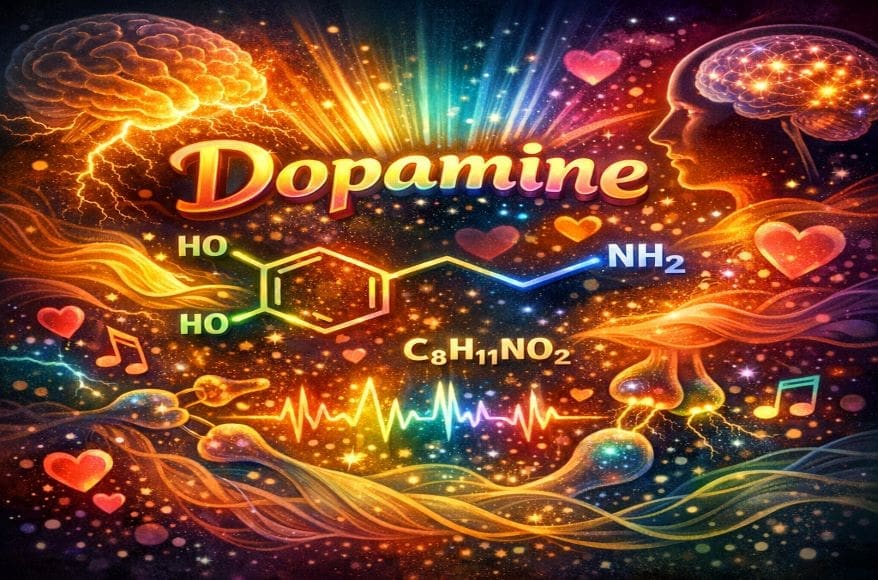
Dopamine is a key player in addiction. It is often called the “feel-good” neurotransmitter. When someone uses drugs, dopamine levels spike.
This spike creates feelings of pleasure and reward. The brain remembers this feeling and seeks it again. Over time, the brain’s response to dopamine changes.
It becomes less sensitive to natural rewards. Everyday activities may no longer bring joy. This change drives individuals to seek drugs more frequently.
Understanding dopamine’s role helps in developing treatments.
The Chemistry of Withdrawal Symptoms
Withdrawal symptoms occur when someone stops using drugs. These symptoms can be uncomfortable and painful. They vary depending on the drug used.
Common symptoms includeanxiety, nausea, and fatigue. The body reacts to the absence of drugs. It tries to regain balance after prolonged use.
This process can take time and patience. Understanding withdrawal is crucial for recovery. Support from professionals can ease this transition.
The Impact of Drug Addiction on the Body
Drug addiction affects the entire body. It can lead to serious health issues over time. The heart, liver, and lungs may suffer damage.
Drug use can weaken the immune system too. Mental health also declines with addiction.Anxiety and depression often accompany substance abuse.
Relationships with family and friends may suffer as well. The impact of addiction is far-reaching and devastating.
The Chemistry of Drug Addiction for Tolerance
Drug tolerance develops over time with repeated use. The body becomes accustomed to the drug’s effects. As a result, individuals need more of the drug to feel the same effects.
This increased need can lead to higher doses and more significant risks. Tolerance can create a dangerous cycle of use and dependency. Understanding tolerance is essential for effective treatment strategies.
Treatment Options for Drug Addiction
Treatment options for drug addiction vary widely. They include therapy, medication, and support groups. Each option has its benefits and challenges.
Therapy helps individuals understand their addiction. It provides tools for coping with cravings and triggers. Medication can assist in managing withdrawal symptoms and cravings.
Support groups offer community and understanding. They connect individuals with others facing similar challenges. Together, they share experiences and encouragement.
Drug addiction is a complex issue that often intersects with various fields, including chemistry. Understanding the chemical processes involved in addiction can provide insights into treatment and prevention strategies. For a deeper exploration of how chemistry plays a role in health and wellness, you might find the article on finding the right balance ofomega-3 and omega-6 in your diet particularly interesting. It discusses the biochemical impacts of these essential fatty acids, which can influence mental health and potentially affect addiction behaviors. You can read more about it in the article here.
FAQs
What is drug addiction?
Drug addiction is a chronic disorder characterized by the compulsive use of drugs despite harmful consequences. It involves changes in brain chemistry that affect behavior, decision-making, and impulse control.
How does chemistry relate to drug addiction?
Chemistry plays a crucial role in drug addiction because drugs interact with the brain’s chemical systems. Many addictive drugs alter neurotransmitter levels, such as dopamine, which affects reward and pleasure pathways, leading to dependence and addiction.
What chemicals in the brain are involved in addiction?
Key chemicals involved in addiction include neurotransmitters like dopamine, serotonin, glutamate, and gamma-aminobutyric acid (GABA). These chemicals regulate mood, reward, and motivation, and drugs can disrupt their normal balance.
Additionally, to stay updated with the latest developments in STEM research, visit ENTECH Online. Basically, this is our digital magazine for science, technology, engineering, and mathematics. Further, at ENTECH Online, you’ll find a wealth of information.
Reference
- Habelt, B., Afanasenkau, D., Schwarz, C. et al. Prefrontal electrophysiological biomarkers and mechanism-based drug effects in a rat model of alcohol addiction. Transl Psychiatry 14, 486 (2024).https://doi.org/10.1038/s41398-024-03189-z
- Author
- Latest Posts

I am an inspirational writer and emerging science blogger with a deep-rooted passion for understanding and sharing the wonders of the world around us. My journey began with a Bachelor of Science in Chemistry from AKI’s Poona College of Arts, Commerce and Science, where I developed not only a strong foundation in scientific principles but also a mindset that values curiosity, observation, and critical thinking. Studying chemistry has taught me to approach problems with logic, to look beyond the obvious, and to see patterns where others might only see complexity. These experiences have shaped the way I perceive life and influence the way I express my thoughts, both scientifically and creatively.
I have always believed that knowledge is only as powerful as the way it is shared. This belief has guided me to create content that bridges the gap between science and everyday life. I aim to simplify complex scientific ideas so they become approachable, relatable, and engaging for everyone—whether someone has a formal background in science or is simply curious about the world. Science, in my view, is not confined to textbooks and laboratories; it is a way of thinking, understanding, and connecting with the world around us. By making science accessible, I hope to inspire curiosity, ignite learning, and encourage people to see the beauty and relevance of scientific discovery in their daily lives.
Alongside my love for science, I am deeply passionate about motivational writing. I believe words carry the power to transform perspectives, encourage self-reflection, and inspire action. By combining analytical thinking with creativity, I create content that is intellectually stimulating yet emotionally resonant. Whether I am breaking down a chemical concept, exploring a scientific phenomenon, or crafting motivational narratives, my goal is to communicate ideas in a way that is clear, meaningful, and impactful.
Through my work, I strive to empower my readers—not just by helping them understand the science around them, but by inspiring them to grow, learn, and realize their full potential. Every article, post, or story I write reflects my commitment to turning knowledge into inspiration. I want to spark curiosity, encourage self-improvement, and show that learning and personal growth are deeply connected. For me, writing is not just a craft; it is a way to touch minds, connect hearts, and make ideas come alive in a way that truly resonates.