when the TCR encounters an antigen or another suspicious particle, it opens like a jack-in-the-box...
This Tiny Cellular Switch Could Change How We Fight Cancer Forever
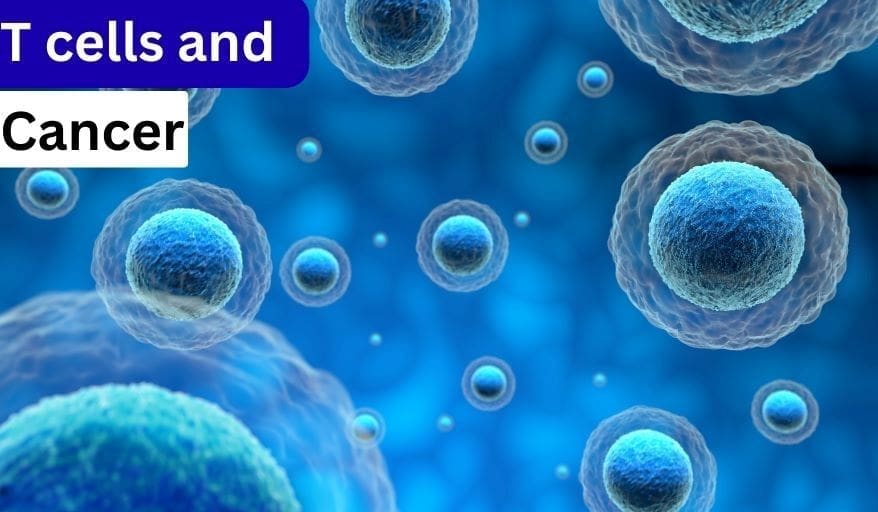
Both adaptive and pathological immune responses rely on T cells. Firstly, T cells identify antigenic peptides on other cells that present them on human leukocyte antigen (HLA) complexes. Secondly, T cells recognize these peptides through the T-cell receptor (TCR) and CD3 proteins.
Researchers have long understood the components of the T-cell receptor–CD3 complex, but they still do not fully understand its activation mechanism.
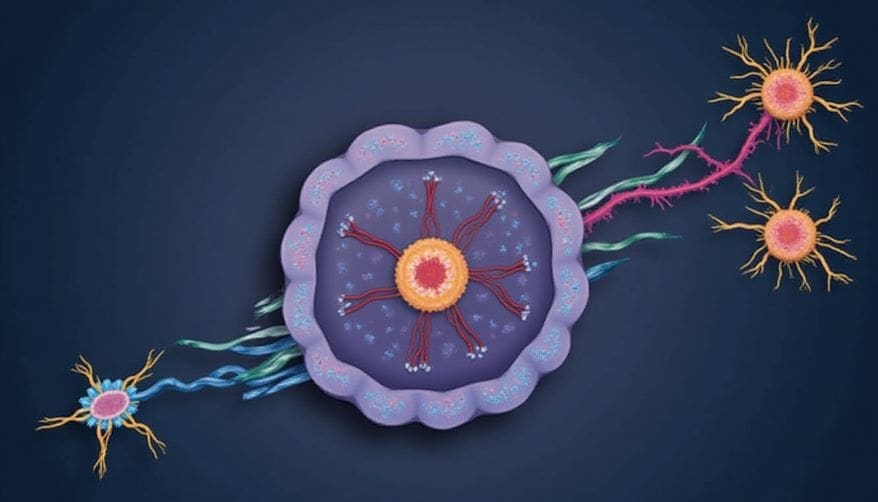
Researchers at The Rockefeller University have discovered important new information about the TCR-CD3 complex, a critical protein complex embedded in the cell membrane and essential for T cell–based therapies. They found that when the T-cell receptor encounters an antigen or another suspicious particle, it opens like a jack-in-the-box. This fundamental insight into how the signaling system functions could help scientists re-engineer the next generation of medicines. The researchers also believe that this discovery may contribute to the development of improved vaccines.
Notti, R.Q., Yi, F., Heissel, S., Martin W. B., Zaki M., Pujita D., Henrik M., Christopher A. K., Thomas W. conducted this research and published it in the paper titled “The resting and ligand-bound states of the membrane-embedded human T-cell receptor–CD3 complex.” in December 2025.
ENTECH STEM Magazine has included this research in its list of the Top 10 Biology Discoveries of 2025.
Potential Benefits of the Discovery of T-Cell Receptor (CD3 Complex)
Improved T-cell based therapies
- The new understanding of how the t-cell receptor behaves like a “jack-in-the-box” when it encounters an antigen can help researchers re-engineer and optimize the design of T cell therapies, potentially making them more effective.
- This knowledge can lead to the development of next-generation T cell therapies for cancer, infectious diseases, and also other conditions where T cells play a crucial role.
Enhanced vaccine development
- The insights into the TCR-CD3 complex signaling system may also contribute to the development of more effective vaccines by informing the design of vaccine components that can better trigger the desired T cell-mediated immune responses.
- This could lead to the creation of vaccines that provide stronger and longer-lasting protection against various infectious diseases.
Improved disease diagnostics
- A deeper understanding of TCR behavior and function may enable the development of more sensitive and specific diagnostic tests that can detect immune system abnormalities or the presence of certain diseases at an earlier stage.
- This could lead to earlier interventions and improved patient outcomes.
Fundamental immunology research
The new insights into T-cell receptor structure and function can contribute to a broader understanding of the immune system’s mechanisms, which can also have far-reaching implications for various areas of medical research and clinical practice.
While the practical applications may take time to fully materialize, this research represents an important advancement in our understanding of a key component of the immune system, which can ultimately lead to improved healthcare solutions and better quality of life for patients.
Educational and career opportunities
Immunology and immunotherapy
- Studying the structure, function, and signaling mechanisms of the TCR and other immune system components
- Developing novel T cell-based therapies, such as chimeric antigen receptor (CAR) T cell therapies
- Exploring the role of the TCR in the immune system’s response to diseases, including cancer and infectious diseases
Vaccine development
- investigating how the T-cell receptor and T cell-mediated immunity can be harnessed for the design of more effective vaccines
- Studying the interaction between TCR signaling and the development of protective immune responses
- Optimizing vaccine formulations and delivery methods to elicit the desired T cell-mediated immunity
Molecular and cellular biology
- Advancing the understanding of the molecular mechanisms underlying TCR activation and signaling
- Exploring the structural and conformational changes of the TCR and associated proteins
- Developing advanced imaging and analytical techniques to study TCR dynamics and interactions
Bioinformatics and computational biology
- Utilizing computational methods to model and simulate TCR-antigen interactions
- Analyzing large-scale TCR repertoire data to uncover patterns and insights
- Developing predictive algorithms for TCR-mediated immune responses
Reference
Notti, R. Q., Yi, F., Heissel, S. et al. The resting and ligand-bound states of the membrane-embedded human T-cell receptor–CD3 complex. Nat Commun 16, 10996 (2025). https://doi.org/10.1038/s41467-025-66939-7
Additionally, to stay updated with the latest developments in STEM research, visit ENTECH Online. Basically, this is our digital magazine for science, technology, engineering, and mathematics. Also, at ENTECH Online, you’ll find a wealth of information.
- Author
- Latest Posts

I am a Master’s qualified in Science with focus on Zoology and Entomology and am a passionate, curiosity-driven science enthusiast aiming to transform complex scientific ideas in a manner that are easy to understand hence, educate, and inspire.
I have an experience of working on the projects in the field of Entomology which has provided me hands-on experience with various research techniques. Besides, I have also gained experience of lab work as well as developed communication skills during the course of my bachelors and masters.
With a strong foundation in life sciences and a growing interest in Medical and Biological research, I have cultivated a writing style that merges scientific facts with creativity.
My experience in teaching has also taught me to develop an understanding of what are the interests of people and how to communicate them effectively.
I am committed to lifelong learning, actively engaging in Interdisciplinary learning, so as to broaden my perspective.