Category: Top 10 Biology Discoveries in 2025







Top 10 Biology Discoveries in 2025
Key Takeaway: The year 2025 brought major advances in biology. These discoveries changed our understanding of life, health, and evolution.
Introduction
At the present time, biology is moving fast. In 2025, scientists made many important discoveries. To enumerate, these findings span genetics, neuroscience, paleontology, and medicine. In short, each breakthrough offers hope and new knowledge. All in all, these top 10 discoveries are shaping the future of science.
1. Ancient Non-Biting Midge from Gondwana
At first, researchers found a new non-biting midge species in Australia. This fossil, named Telmatomyia talbragarica, dates back 151 million years. To explain, it is the oldest known midge in the Southern Hemisphere. With attention to its unique terminal disc, it could anchor itself in freshwater. In effect, this shows that midges were diverse in ancient Gondwana. As a result, it changes our view of insect evolution and ancient ecosystems.
2. Rabies Virus: How It Takes Over Cells
In detail, scientists revealed how the rabies virus hijacks host cells. The virus uses a flexible P protein to bind RNA and enter cell compartments. With this in mind, it manipulates immune defenses and protein production. At the same time, this knowledge opens new paths for antiviral drugs. In sum, understanding this process may help fight other deadly viruses.
3. Friedreich’s Ataxia: A New Hope for a Cure
To point out, Friedreich’s ataxia is a rare genetic disease. In 2025, a new treatment approach brought hope. By lowering the FDX2 gene, cells can restore energy production. In like manner, this method worked in worms, mice, and human cells. At this instant, it is a preclinical discovery. In due time, it could lead to therapies for this and other genetic diseases.
4. T-Cell Receptor Therapy: The Future of Cancer Treatment
With attention to cancer, T-cell receptor (TCR) therapy is advancing. Scientists now engineer T cells to target cancer-specific antigens. In similar fashion, this therapy works for solid tumors and blood cancers. What’s more, it can be personalized for each patient. In effect, TCR therapy marks a new era in cancer immunotherapy.
5. The Brain’s Hidden Habit Button
To illustrate, neuroscientists found a “habit button” in the nucleus accumbens. This brain region controls habits and compulsive behaviors. By comparison, it works with dopamine and serotonin to shape actions. In light of this, the discovery may help treat addiction and compulsive disorders. In conclusion, it deepens our understanding of how habits form.
6. Nanomaterial Breakthrough Recharges Old Cells
At this point, researchers developed a new nanomaterial that recharges aging cells. In effect, it boosts cell energy and function. With this purpose in mind, it may slow aging and improve health. In general, this could impact age-related diseases.
7. Unknown DNA Damage Type Discovered
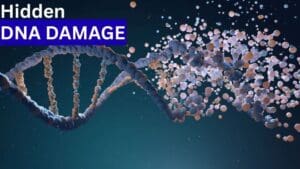
All of a sudden, scientists identified a new type of DNA damage. To put it another way, this damage was not known before. In essence, it may explain some genetic diseases and cancers. With this intention, new repair strategies can be developed.
8. Mitochondria and Long Lifespan
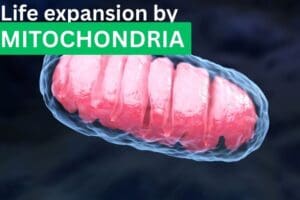
In like fashion, a study linked mitochondria to longer lifespans. As can be seen, healthy mitochondria slow aging. At length, this finding may lead to anti-aging therapies.
9. Fat Stem Cells Restore Spine Damage
To sum up, fat-derived stem cells can repair spinal injuries. In effect, this method restored movement in animal models. With this in mind, it offers hope for spinal injury patients.
10. Deep Sea Surprises: Lantern Shark That Shines
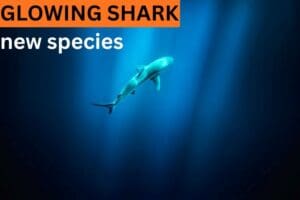
At last, marine biologists found a lantern shark that glows in the dark. In detail, this discovery adds to our knowledge of deep-sea life. In short, it shows how life adapts to extreme environments.
Conclusion
In summary, 2025 was a landmark year for biology. Each discovery, from ancient fossils to new therapies, brings us closer to solving life’s mysteries. In effect, these advances will shape science and medicine for years to come.