Learn how anger and heart attack risk are linked and why managing emotions is vital for your cardiovascular health.
Anger and Heart Attack Risk: How 8 Minutes Impact You

Anger is a potent emotion that can profoundly affect your body’s internal balance. Above all, the connection between anger and heart attack risk is more significant than many previously realized, as even a brief outburst can trigger a cascade of physiological strain. Prior to this, many knew anger was generally bad for health, but now the link is clearer through clinical observation.
Anger triggers a defense response, acting as a primal survival mechanism designed to protect you from perceived threats. This is a survival mechanism where your body prepares for a fight by diverting energy to essential systems; vis-a-vis, your heart works harder to meet this physical demand. So as to facilitate this, it pumps more blood while your blood pressure rises. What’s more, your heart rate increases sharply, directly contributing to a heightened anger and heart attack risk by placing sudden, intense stress on your cardiovascular walls and arteries.
Hormonal Surge
When you experience a sudden outburst, your endocrine system immediately floods your bloodstream with powerful chemicals. This surge is a primary driver behind heart attack risk, as the body shifts into a “fight or flight” state that demands extreme physical output. Consequently, your heart is forced to beat with significantly more force and frequency than it does during rest. These hormonal spikes can linger in your system for hours, keeping your cardiovascular health in a state of precarious vulnerability long after the initial conflict has ended.
Adrenaline and Myocardial Strain
Adrenaline acts as a rapid stimulant that instantly narrows your blood vessels and accelerates your pulse. While this helps in a physical emergency, during a moment of rage, it creates a dangerous environment where heart attack risk spikes. This sudden workload can cause tiny tears in the heart muscle or lead to a “broken heart syndrome” effect. Therefore, your heart is essentially running a sprint while you are standing still.
Cortisol and Arterial Plaque Instability
Cortisol is often called the “stress hormone,” and its levels climb steadily during periods of high tension. High cortisol levels are a major factor in anger and heart attack because they contribute to systemic inflammation and weight gain. Furthermore, prolonged exposure to cortisol can make existing arterial plaques more likely to rupture. If a plaque ruptures, it can instantly block a coronary artery, leading to an acute heart attack.
Electrolyte Imbalance and Heart Rhythm
The hormonal surge triggered by anger can also disrupt the delicate balance of minerals like potassium and sodium in your cells. This shift is a critical component of anger and heart attack risk because it affects the heart’s electrical conductivity. As a result, you may experience palpitations or life-threatening arrhythmias during a heated argument. Managing these chemical shifts through deep breathing is essential for maintaining a stable heart rhythm.
Blood Vessel Changes
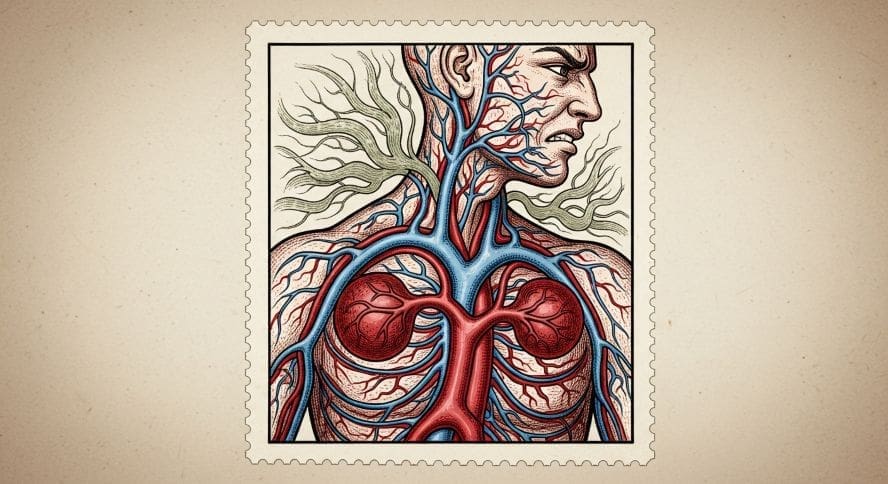
Your blood vessels constrict. This reduces blood flow. It also raises resistance. In like fashion, your blood becomes stickier. This can lead to clots. All of a sudden, these changes happen fast. Consequently, anger and heart attack risk climbs as your circulation struggles. Your arteries narrow under intense pressure. This sudden restriction forces the heart to pump against a tight system. Therefore, the physical danger of a blockage becomes much more likely during an outburst.
Recent studies have shown that even short bursts of anger can significantly elevate the risk of heart attacks, highlighting the importance of emotional regulation for cardiovascular health. This research emphasizes that anger and heart attack risk is an immediate physiological threat. Just eight minutes of rage can impair your vessel function.
Short-Term Effects on Cardiovascular Health
Even short bursts of anger hurt. An 8-minute period is enough. To illustrate, imagine a storm. Your heart becomes like a turbulent sea. Consequently, this brief window dramatically spikes anger and heart attack risk for vulnerable individuals. Your system remains under intense pressure long after the initial outburst.
Endothelial Dysfunction
The lining of your blood vessels suffers. This lining is called the endothelium. It helps regulate blood flow. In essence, anger damages it. This damage can be immediate. Therefore, heart attack risk increases as your vessels lose their ability to dilate. This impairment prevents proper oxygen delivery to your heart muscles.
Increased Inflammation
Anger sparks inflammation. This is your body’s defense. However, constant inflammation is bad. It harms your arteries. As well as, it promotes plaque buildup. Thus, anger and heart attack risk stays high as these inflamed areas become unstable. This process creates a dangerous environment for potential heart failure or sudden blockages.
Long-Term Consequences and Chronic Anger and Heart Attack Risk
Chronic anger acts as a persistent toxin to your cardiovascular system. Over time, the repeated spikes in blood pressure and heart rate lead to permanent structural changes in your heart muscle. Consequently, anger and heart attack risk becomes a baseline threat rather than a temporary concern. This constant state of high alert causes the heart to thicken and become less efficient at pumping blood. Furthermore, the sustained release of stress hormones weakens your immune system and accelerate the aging of your arteries.
Permanent Arterial Scarring
When you remain in a state of constant frustration, your arteries never truly relax. This lack of recovery time leads to micro-tears in the vessel walls. These tears become the perfect landing spots for cholesterol and debris. As a result, the long-term link between anger and heart attack risk is reinforced by the rapid development of atherosclerosis, which narrows the paths for oxygen-rich blood.
Arrhythmia and Electrical Instability
Living with chronic anger can eventually disrupt the natural electrical signals that regulate your heartbeat. The heart may begin to beat irregularly or skip beats during periods of high emotion. This electrical instability significantly heightens anger and heart attack risk by making the heart more prone to sudden cardiac arrest. Therefore, emotional regulation is not just about peace of mind; it is about maintaining a steady, life-sustaining rhythm.
Left Ventricular Hypertrophy
The heart is a muscle, and like any muscle, it grows when overworked. However, growth in the heart is dangerous. Constant rage forces the left ventricle to work under high pressure, causing it to thicken and lose its flexibility. This condition increases anger and heart attack risk because a stiff heart cannot fill with enough blood to support the body during physical or emotional stress.
FAQs
1. How does anger affect the risk of a heart attack?
Anger can trigger a surge in stress hormones like adrenaline, which increases heart rate and blood pressure. This physiological response can strain the heart and potentially lead to the rupture of arterial plaques, increasing the risk of a heart attack.
2. Why is the duration of anger important in heart attack risk?
Research indicates that even short episodes of intense anger, such as those lasting around 8 minutes, can significantly elevate the risk of a heart attack. The acute stress response during this period can cause temporary but dangerous changes in the cardiovascular system.
3. Are certain individuals more susceptible to heart attacks triggered by anger?
Yes, individuals with existing heart conditions, high blood pressure, or a history of cardiovascular disease are more vulnerable to the effects of anger-induced stress, making them more susceptible to heart attacks triggered by anger.
4. Can managing anger reduce the risk of heart attacks?
Effective anger management techniques, such as relaxation exercises, mindfulness, and counseling, can help reduce the frequency and intensity of anger episodes, thereby lowering the associated risk of heart attacks.
5. What are some signs that anger might be affecting heart health?
Signs include increased heart rate, chest pain, shortness of breath, and elevated blood pressure during or after episodes of anger. If these symptoms occur frequently, it is important to seek medical advice to assess heart health.
Additionally, to stay updated with the latest developments in STEM research, visit ENTECH Online.
References
- Shimbo, D., Cohen, M. T., McGoldrick, M., Ensari, I., Diaz, K. M., Fu, J., … & Chaplin, W. F. (2024). Translational research of the acute effects of negative emotions on vascular endothelial health: findings from a randomized controlled study. Journal of the American Heart Association, 13(9), e032698. https://doi.org/10.1161/JAHA.123.032698
- Vancheri, F., Longo, G., Vancheri, E., & Henein, M. Y. (2022). Mental Stress and Cardiovascular Health—Part I. Journal of Clinical Medicine, 11(12), 3353. https://doi.org/10.3390/jcm11123353
- Çağatay, B., Yalçin, F., Kıraç, A., Küçükler, N., & Abraham, M. R. (2024). The Science Behind Stress: From Theory to Clinic, Is Basal Septal Hypertrophy the Missing Link between Hypertension and Takotsubo Cardiomyopathy? Stresses, 4(2), 330-341. https://doi.org/10.3390/stresses4020021
- Author
- Latest Posts

A Master’s-qualified Zoologist with a focus on Limnology, I combine hands-on laboratory experience with a sophisticated background in science communication. My career is defined by an interdisciplinary approach to the life sciences, merging technical research skills with a proven ability to teach and engage diverse audiences. I am committed to lifelong learning and the creative dissemination of medical and biological research, ensuring scientific literacy and inspiration remain at the forefront of the field.