Category: Physiology




Physiology Starts With Everyday Body Actions
You eat breakfast, climb stairs, and take a deep breath. Your body handles each task with smart control. Physiology explains these daily actions in clear ways. As a result, students see the body as active systems. Food becomes usable nutrients through digestion and absorption. Oxygen enters the lungs during breathing. Blood then carries gases, nutrients, and signals. At the same time, nerves adjust heart rate and pressure. The human body works through levels, from chemicals to cells, tissues, organs, and organ systems. This category builds that full view with simple lessons. Start with absorption in the small intestine and digestive enzymes and functions. Then connect digestion with blood, lungs, nerves, and lymph. In this way, Physiology becomes useful, practical, and easy.
Build Strong Physiology Basics First
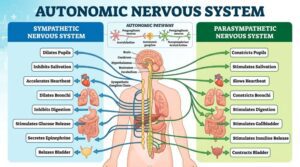
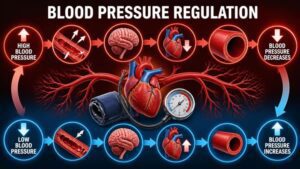
Physiology makes sense when learners start with core rules. Cells act as the functional units of life . Body systems also aim for homeostasis. In simple words, your body tries to keep balance. For example, it adjusts breathing during running. In addition, it controls blood pressure when you stand. These actions use feedback and signals across body systems . Students can connect these ideas with blood pressure regulation and the autonomic nervous system. Both topics show fast internal control. In my physiology classroom, students understood homeostasis better after standing pulse checks. They measured pulse before and after movement. Then they explained heart rate changes using feedback. That moment showed real learning. It also showed how simple activities improve recall.
Physiology Learning Path: 7-Step Student Guide
- Start with cells. They run body functions.
- Study tissues and organs. Structure guides function.
- Learn digestion. Food becomes usable body material.
- Connect lungs and blood. Oxygen supports every cell.
- Add nerves and hormones. Control systems guide responses.
- Use data and graphs. Physiology grows through measurement.
- Link lessons to careers. Health fields need strong basics.
Physiology of Digestion, Breathing, and Blood
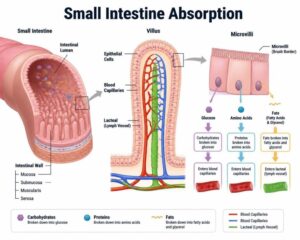
Digestion provides the body with raw materials for energy. For instance, enzymes break large food molecules. The small intestine then absorbs nutrients into circulation. Students can compare this process with blood components. Blood plasma, cells, and platelets support transport and repair. In contrast, the lungs focus on gas exchange. Breathing moves air in and out. Lung volumes show how much air moves during breathing. See lung volumes and capacities for that topic. You can also connect this with the breathing mechanism. As a result, learners see one shared pattern. Systems exchange, move, and regulate materials. This system view helps students answer exam questions. It also helps them explain daily symptoms better.
Physiology of Lung Function and Viral Illness
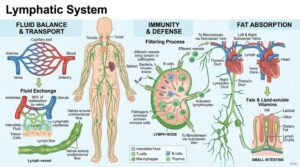
Lung Physiology becomes important during infection. Viruses can affect lung tissue and breathing comfort. Students should study how viruses affect lungs with basic respiratory mechanics. First, normal breathing needs clear airways and flexible lungs. Next, gas exchange needs healthy surfaces. When illness disrupts these steps, breathing feels harder. At the same time, the immune system responds. This response may increase mucus, coughing, or inflammation. The lymphatic system also supports fluid balance and defense. You can review lymphatic system function at that link. This topic helps connect immunity with circulation. It also links health science with daily care. Clear concepts help learners read clinical notes confidently.
Physiology Category for Skills, Exams, and Careers
A good Physiology category should support students and teachers. It should also support future health workers. Medical, nursing, pharmacy, sports science, and biology students need strong body-system knowledge. Study programs often require biology and chemistry for physiology. Physics also helps explain body forces and flows. Mathematics helps students analyze data. In addition, advanced study may include anatomy and biochemistry. This category supports those needs through linked lessons. Each article explains one part of body function. Then the full category connects those parts together. Students can prepare notes, diagrams, and revision maps. Teachers can use posts as lesson starters. As a result, career readiness grows step by step. Strong Physiology knowledge also improves patient communication.
Physiology Study Tips for Better Recall
Use short study sessions and simple diagrams. For example, draw one system each day. Then add arrows for movement and control. Compare digestion, breathing, blood flow, and nerve control. In addition, write one cause-and-effect line for each topic. “Low oxygen increases breathing rate” works well. “Standing quickly triggers pressure control” also works well. These short lines train clinical thinking. At the same time, students should use trusted open resources. Human physiology includes circulatory, respiratory, digestive, nervous, immune, and lymphatic systems . That broad view prevents isolated learning. It also helps Google and readers understand this category. The focus stays clear: Physiology explains how the living body works.