Aging Immune Memory Cells adapt and strengthen over time, helping the immune system respond better to infections and protect aging tissues.
Aging Immune Memory Cells: How Immunity Adapts Over Time
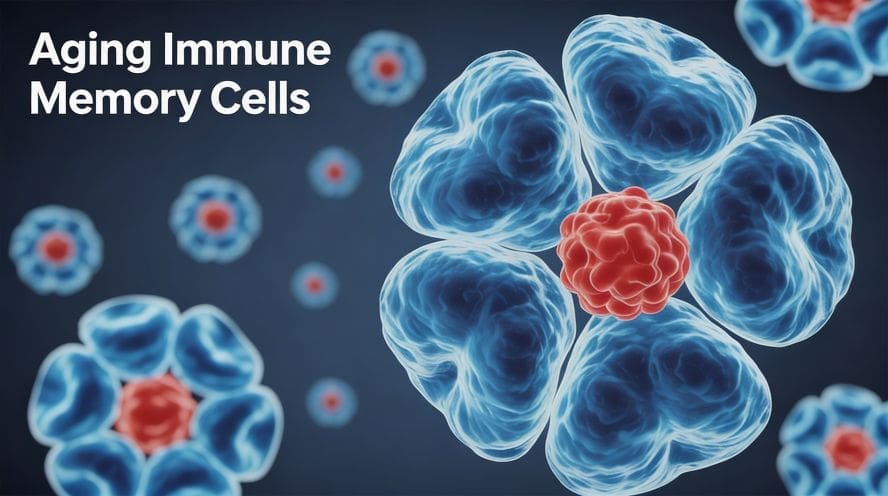
A recent research paper published in Science Immunology reports exciting findings about how the immune system learns to protect us as we age. The study focuses on tissue-resident memory T cells in the skin, giving new insights that matter for health and disease prevention. These findings highlight the role of aging immune memory cells and how they improve protection over time. At this point, we will explain what the study found and why it is important, especially for teens interested in STEM careers involving biology, medicine, or biotechnology.
What Are Tissue-Resident Memory T Cells?
To explain, tissue-resident memory T cells (TRM cells) are a special type of immune cell. They stay in the body’s tissues, like the skin, rather than traveling through the blood. These cells act locally to fight infections or damage. Scientists now believe these TRM cells play a major role in the development of aging immune memory cells, which adapt and strengthen over time.
So far, scientists knew TRM cells helped protect us more quickly than other immune cells when exposed to a pathogen again. This study shows these cells also adapt as we age, improving their protection skills and contributing to stronger aging immune memory cells in the body.
Aging Immune Memory Cells: A Shift in Immune Defense Over Time
The researchers demonstrated that TRM cells can learn from how our bodies change with age. At the present time, the immune system faces the challenge of aging tissues. This study proves that TRM cells adjust by continuously receiving signals from their environment, shaping the behavior of aging immune memory cells.
To put it differently, our immune system’s memory isn’t static; it evolves to keep us safer throughout life. These adaptive changes are part of how aging immune memory cells continue protecting the body even decades later.
Key discoveries from the research include:
- Adaptation Is Crucial: TRM cells increase their response strength over decades.
- Skin Environment Influence: Signals within the skin guide TRM cell changes.
- Better Memory Retention: Aging immune memory cells hold onto past infections longer.
- Balance Between Defense and Damage: These immune cells help avoid harmful overreactions.
With this intention, the study used mouse models and human skin analysis. This approach lets scientists see how TRM cells behave naturally and during aging.
Why this Research Matter for STEM Students
All things considered, this research emphasizes the dynamic nature of our immune systems. Being that, if you want a career in immunology, cellular biology, or bioengineering, understanding aging immune memory cells and immune adaptation is key.
The findings tell us that:
- Immune cells train like athletes, becoming stronger and more skilled over time.
- Tissue environment heavily influences cell behavior, showing biology isn’t just about genes.
- Aging doesn’t always mean less defense; sometimes aging immune memory cells become more effective.
At any rate, for students curious about STEM, this research highlights opportunities such as:
- Developing vaccines that work better on older adults.
- Designing therapies that boost tissue-specific immunity.
- Innovating diagnostics to monitor immune health with age.
To elaborate, students can explore these topics through online learning platforms like Entech Online’s Biology Courses, where complex ideas are broken down into understandable lessons.
Career Pathways Inspired by Aging Immune Memory Cells Research
To list possible careers, here are some STEM options connected to this research:
- Immunologist: Study immune system behavior to fight infections and diseases.
- Biomedical Researcher: Use lab skills to test new drugs and treatments.
- Bioinformatics Specialist: Analyze data from immune cells to discover patterns.
- Biotechnologist: Create new products that harness immune cells for health.
How Aging Immune Memory Cells Could Change Future Medicine
With this in mind, the study’s insights pave ways to improve aging health. As has been noted, some diseases affect older adults worse because their immune systems change. By understanding aging immune memory cells better, treatments could be tailored precisely.
For example:
- Vaccines might be improved to trigger stronger local immune responses.
- Therapies could stop harmful inflammation caused by faulty immune memory.
All in all, this research encourages a hopeful future for aging populations worldwide.
Aging Immune Memory Cells: Conclusion
To summarize, the study shows that immune memory is flexible and improves with time. Instead of getting weaker, tissue-resident memory T cells adapt to keep us safe. This challenges old views about aging and immunity. At last, it inspires students to think about how biology is full of surprises.
By studying immune cells and their behavior in real time, scientists can invent new ways to promote lifelong health.
Additionally, to stay updated with the latest developments in STEM research, visit ENTECH Online.
Reference:
- Jergović, M., Miller, M., Saitovitch, D., et al. (2022). Age-associated tissue-resident memory T cells adapt and maintain protective immunity in the skin. Science Immunology, 7(70), eadx0292. https://doi.org/10.1126/sciimmunol.adx0292
Disclaimer: This article is for informational and educational purposes only and does not constitute medical advice. The content is based on published scientific research and is not intended to diagnose, treat, cure, or prevent any disease. Always consult a qualified healthcare professional for medical concerns or treatment decisions.
- Author
- Latest Posts

A Master’s-qualified Zoologist with a focus on Limnology, I combine hands-on laboratory experience with a sophisticated background in science communication. My career is defined by an interdisciplinary approach to the life sciences, merging technical research skills with a proven ability to teach and engage diverse audiences. I am committed to lifelong learning and the creative dissemination of medical and biological research, ensuring scientific literacy and inspiration remain at the forefront of the field.