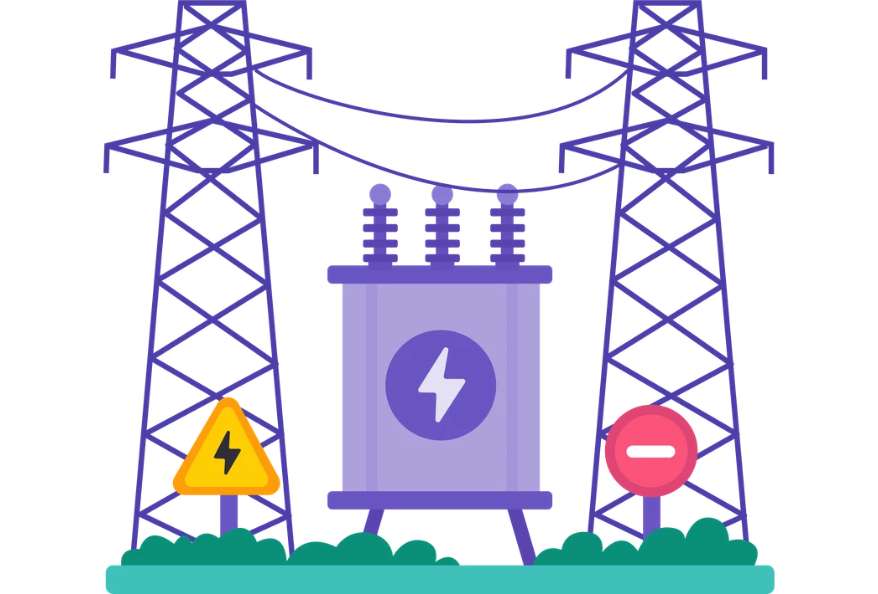
Modern electrical systems support sensitive electronics, automation, motors, drives, and also connected equipment that depend on stable electrical conditions. However, issues like voltage sags, harmonics, transients, and interruptions can disrupt operations, damage equipment, and significantly increase maintenance demands.
So, why is power quality essential for reliable modern electrical systems? The answer lies in its influence on equipment performance, operational continuity, energy efficiency as well as asset life. Understanding common disturbances and monitoring requirements helps facilities identify problems earlier and select suitable corrective measures for their electrical infrastructure.
What Makes Power Quality Important for Electrical Systems?
Power quality describes the stability and characteristics of electricity supplied to connected equipment. Deviations from expected voltage, frequency, or waveform conditions can affect system performance and reliability.
Common disturbances include:
Voltage Sags and Swells: Can cause equipment malfunction or unexpected trips.
Harmonics: Distort voltage and current waveforms and may increase equipment heating.
Transients: Short-duration disturbances can affect sensitive electronic devices.
Interruptions: Supply losses can disrupt production and critical processes.
How Does Power Quality Affect Equipment Performance?
Power quality directly influences the performance and operating life of electrical equipment. Modern facilities increasingly depend on electronic systems that can be sensitive to electrical disturbances.
Key effects include:
Equipment Overheating: Harmonic currents can increase heating in motors, transformers, and conductors.
Nuisance Tripping: Disturbances can trigger protective devices or sensitive equipment.
Process Interruptions: Voltage events can disrupt automated processes and production systems.
Reduced Asset Life: Persistent electrical stress can accelerate component degradation.
Energy Inefficiency: Voltage imbalance, harmonics, and other disturbances can increase electrical losses and reduce equipment efficiency, raising operating costs
These effects can increase maintenance requirements, disrupt production, and reduce the reliability of critical electrical systems. Monitoring electrical conditions helps facilities identify disturbances early and take corrective action before they escalate.
What Causes Power Quality Problems?
Power quality issues can originate from utility conditions, facility equipment, switching operations, or nonlinear loads. Common contributors include:
Variable frequency drives and power electronic equipment
Large motor starting and switching operations
Uninterruptible power supplies and electronic converters
Lightning and transient events
Poor power factor or unbalanced loads
Aging electrical distribution infrastructure
Identifying the source helps facilities determine appropriate mitigation strategies instead of addressing symptoms alone.
How can Facilities Monitor Power Quality?
Effective power quality management begins with accurate measurement and continuous visibility. Monitoring equipment can capture disturbances that may otherwise remain difficult to diagnose.
Continuous monitoring can reveal recurring disturbances and also help maintenance teams investigate their causes. Modern monitoring platforms can also record events and provide analytics for electrical system performance.
What Solutions can Improve Power Quality?
Improving power quality requires solutions not only matched to the specific disturbance, equipment sensitivity, but also electrical network configuration.
Common approaches include:
Harmonic Filters: Help reduce distortion from nonlinear electrical loads.
Power Factor Correction: Improves reactive power management and system capacity.
Voltage Regulation: Helps manage voltage deviations affecting sensitive equipment.
Monitoring Systems: Capture disturbances and support faster troubleshooting.
Load Management: Helps address imbalance and optimize electrical system performance.
Selecting corrective technologies based on measured conditions can help facilities reduce disturbances while protecting critical assets.
Improve Power Quality With the Right Electrical Partner
Power quality surely plays an important role in protecting equipment, supporting operational continuity, and maintaining efficient electrical systems. Monitoring voltage behavior, harmonics, interruptions as well as other disturbances gives facilities greater visibility into network performance. Combining measurement with suitable corrective technologies can help address recurring electrical issues and also improve asset reliability.
Organizations should assess their specific operating conditions and applicable standards before selecting solutions. Technical resources from established manufacturers, including Schneider Electric’s power quality materials, can provide useful reference during this process.
References:
Eslami, A., Negnevitsky, M., Franklin, E., & Lyden, S. (2022). Harmonic Current estimation of unmonitored Harmonic sources with a novel oversampling technique for limited datasets. IEEE Access, 10, 68897–68914. https://doi.org/10.1109/access.2022.3186373
Adragna, C., Bianco, A., Gritti, G., & Sucameli, M. (2024). State-of-the-Art Power Factor Correction: An industry perspective. Encyclopedia, 4(3), 1324–1354. https://doi.org/10.3390/encyclopedia4030087
Shreyas Kulkarni is a Chartered Electrical Engineer and renewable energy pioneer with over eight years of hands-on experience in the clean energy sector. He is the Co-Founder of UNICUS Energy, a leading provider of solar energy solutions in India, where he drives technical execution, system architecture, and clean tech deployment.
As an author for ENTECH Magazine, Shreyas focuses on making solar technology practical and understandable for students, engineers, and homeowners. His contributions include detailed guides on the inner workings of rooftop solar systems and deep dives into modern hardware advancements, such as lightweight solar panels and flexible photovoltaic materials.