Perovskite Solar Mini-Modules Keep Their Efficiency as They Grow
A brief chill during film processing helps perovskite solar mini-modules hold their fill factor, reaching a certified 23.9% efficiency.

Perovskite Solar Mini-Modules Keep Their Efficiency as They Grow
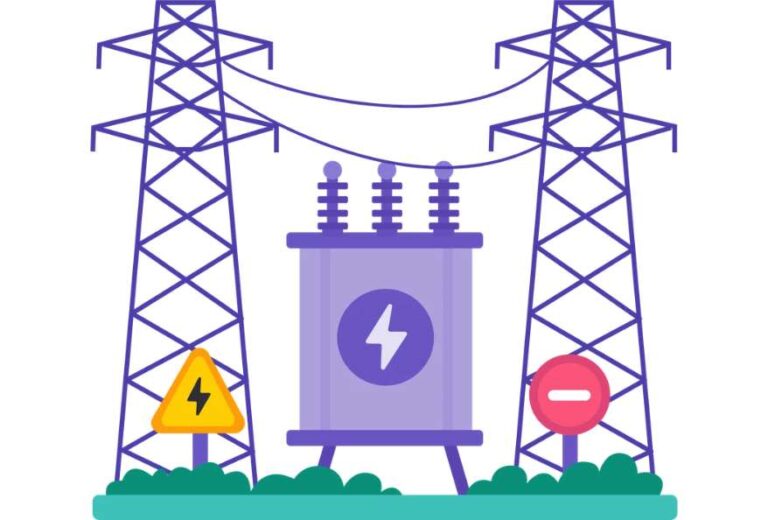
Why Power Quality is Essential for Modern Electrical Systems?
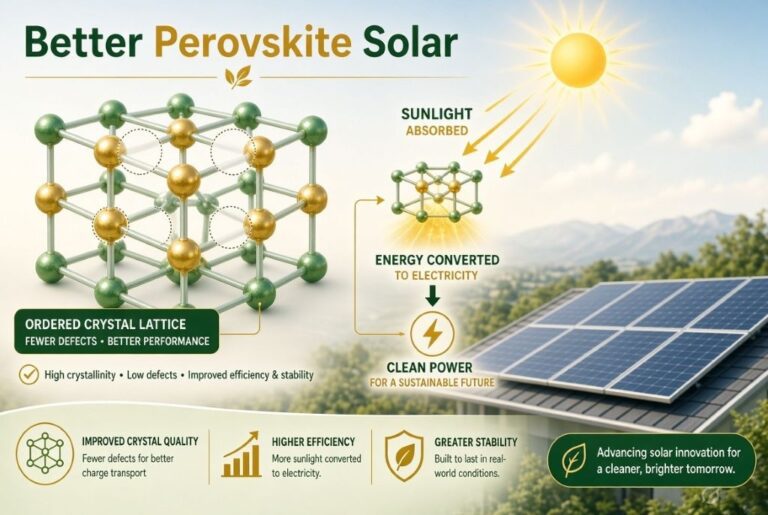
Better Perovskite Crystals Could Make Solar Panels More Efficient
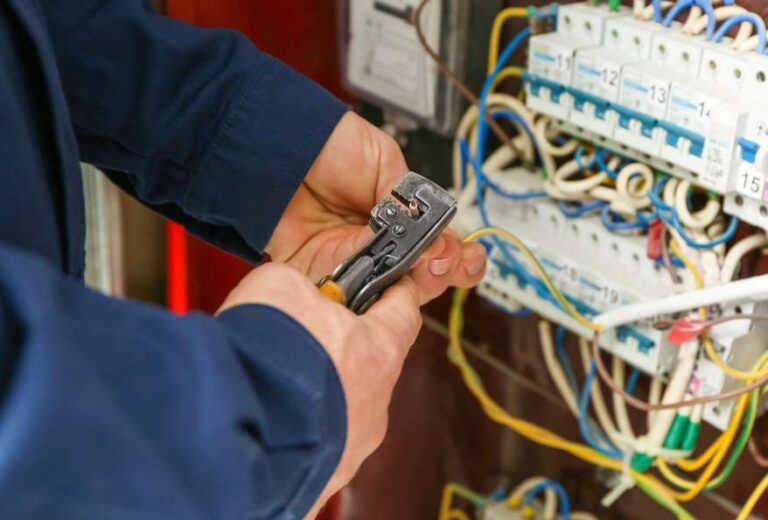
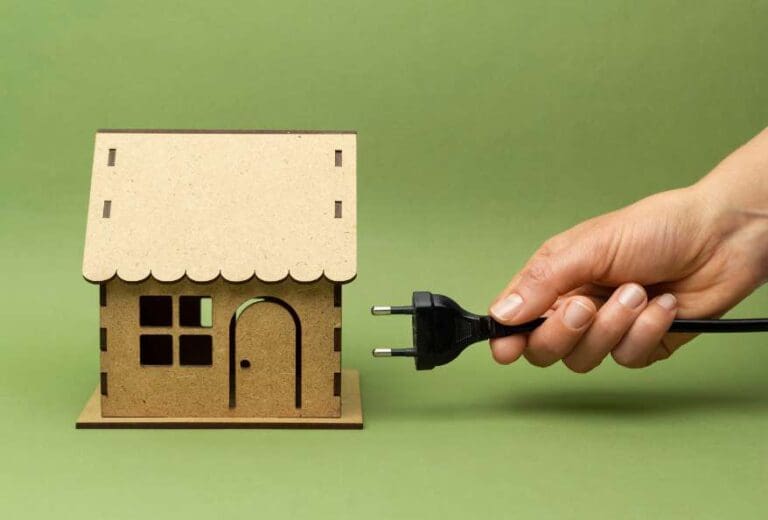
Sizing Your Home for an EV, a Heat Pump and Solar – Without Blowing the Budget

Filtration Engineering in Power Plants: Why Clean Fluids Are Critical to Plant Performance
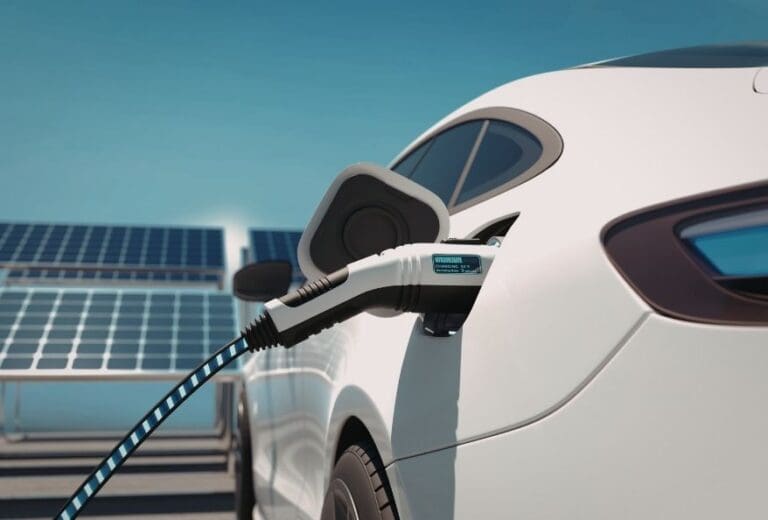
AI EV Energy Management & Smart Energy Grid Explained

How Pyrofuses Improve Safety in Critical Infrastructure Power Systems
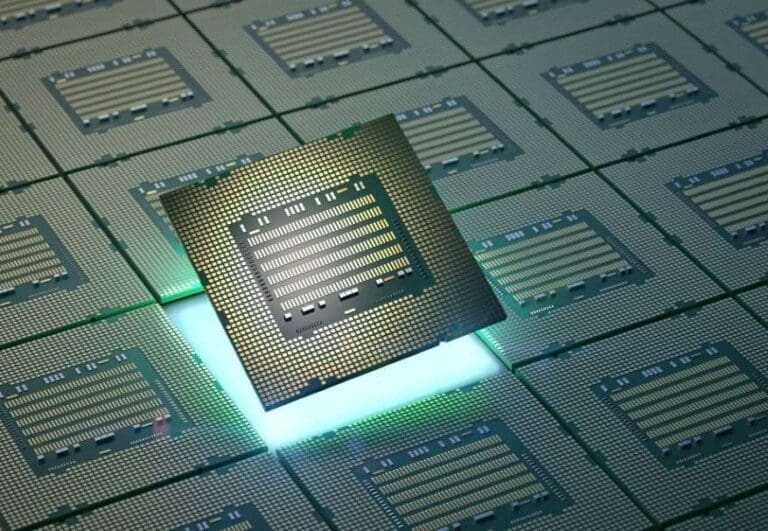
India Launches First Made-in-India 32-Bit Microprocessor Chip

Coil Winding Services: A Detailed Analysis
Electrical engineering is one of the fundamental branches of engineering. It focuses on the study, design and application of electricity, electrical systems and electromagnetic technologies. From the power stations that supply electricity to homes and industries to the motors that operate machines, electrical engineering supports much of modern life.
Electrical engineers work on technologies that generate, transmit, distribute and use electrical energy. They also contribute to renewable energy systems, electric vehicles, industrial automation and smart infrastructure. As the world moves towards cleaner energy and more efficient technologies, electrical engineering continues to play an important role in shaping the future.
At ENTECH STEM Magazine, explore the principles, applications and innovations that make electrical engineering an essential part of science, technology and everyday life.
Electrical engineering covers several interconnected areas. Each area focuses on a different aspect of electricity, energy conversion and electrical system design.
Power generation involves converting different forms of energy into electrical energy. Conventional power stations use sources such as coal, natural gas and nuclear energy, while renewable energy facilities use sunlight, wind and flowing water.
Electrical engineers help design and improve generators, power conversion equipment and associated electrical infrastructure. They also work on making electricity generation more reliable and efficient.
Electricity must travel from power stations to homes, businesses and industries. Transmission systems carry electrical energy over long distances, while distribution networks deliver it to individual consumers.
This area of electrical engineering involves transformers, substations, transmission lines, protection systems and distribution equipment. Engineers also study how to reduce transmission losses and maintain a stable electricity supply.
Electrical machines convert electrical energy into mechanical energy or mechanical energy into electrical energy. Electric motors, generators and transformers are important examples.
Electric motors power industrial equipment, household appliances, pumps and electric vehicles. Meanwhile, generators produce electricity in power stations and other applications.
Electrical engineers study machine design, performance, efficiency and control to improve how these systems operate.
Power electronics deals with the conversion and control of electrical power using electronic devices. It plays an important role in systems that need to regulate voltage, current, frequency or power flow.
Inverters, converters, rectifiers and motor drives are common power electronics applications. These technologies support renewable energy installations, electric vehicles, battery systems and industrial equipment.
Control systems help machines and electrical equipment operate according to specific requirements. They monitor system behaviour and adjust inputs to maintain desired performance.
Electrical engineers work with sensors, controllers, actuators and automation technologies. These systems are widely used in manufacturing plants, power stations, transportation and industrial processes.
Electrical engineering is closely connected to the technologies people use every day. Its applications extend across homes, transportation, healthcare, communication and industrial infrastructure.
Solar panels and wind turbines convert renewable energy into electricity. However, connecting these sources to the electricity grid requires suitable power conversion, monitoring and control systems.
Electrical engineers contribute to solar inverters, wind power systems, battery storage and grid integration. These technologies support the transition towards more sustainable energy systems.
Electric vehicles depend on several electrical engineering technologies. Electric motors provide propulsion, while batteries store energy and power electronics control the flow of electricity.
Engineers also work on charging infrastructure, battery management systems and efficient motor drives. As electric mobility develops, these technologies are becoming increasingly important.
Modern buildings use electrical systems for lighting, heating, cooling, security and energy management. Smart meters and connected control systems help monitor electricity consumption and improve efficiency.
Electrical engineers design the infrastructure that supports these applications while considering safety, reliability and energy use.
Electrical engineering also supports healthcare technologies. Medical equipment such as imaging systems, patient monitors and diagnostic instruments depends on electrical and electronic systems.
Engineers contribute to the design, testing and maintenance of equipment that helps healthcare professionals monitor and understand patient conditions.
New technologies are expanding the scope of electrical engineering. Several developments are changing how electricity is generated, managed and used.
Smart grids use digital monitoring, communication and control technologies to improve electricity networks. They help utilities monitor demand, identify faults and manage distributed energy sources.
As renewable energy and electric vehicles become more common, smart grids can support more flexible and responsive electricity systems.
Energy storage systems help balance electricity supply and demand. They can store energy when production is high and release it when required.
Electrical engineers work on battery management, power conversion and grid-connected storage systems. These technologies are particularly useful for renewable energy applications.
Wireless power transfer uses electromagnetic fields to transfer energy without a direct electrical connection. It is used in applications such as wireless charging and certain industrial systems.
Research in this area continues to explore ways to improve transfer efficiency, operating range and practical applications.
HVDC technology allows electrical power to be transmitted over long distances using direct current. It is particularly useful for certain long-distance transmission links and connections between different electricity networks.
Engineers study converter stations, transmission systems and protection technologies to make these networks reliable.
Artificial intelligence can help analyse electricity consumption, forecast demand and identify unusual patterns in power networks. It can also support predictive maintenance by helping engineers identify equipment that may require attention.
These applications connect electrical engineering with data science, computing and automation.
Electrical engineering is an option for students interested in mathematics, physics, energy and technology. School-level knowledge of electricity, circuits and electromagnetism provides a useful starting point for exploring the subject.
Students who pursue electrical engineering at the undergraduate level study subjects such as circuit theory, electrical machines, power systems, control systems, power electronics and electrical measurements. Practical laboratory work and engineering projects help them understand how theoretical concepts apply to real systems.
Electrical engineering graduates can explore career opportunities in several industries, including:
The field also offers opportunities to work alongside professionals in mechanical engineering, electronics, computer engineering and environmental engineering.
Electrical engineering connects scientific principles with technologies that power modern society. It helps us understand how electricity reaches our homes, how machines operate and how renewable energy can support a more sustainable future.
Whether you are exploring engineering branches for the first time, learning about power systems or discovering career opportunities, understanding electrical engineering can help you identify areas that match your interests.
ENTECH STEM Magazine brings together educational articles, expert insights and technology-related content to help students explore science, technology, engineering and mathematics. Explore our electrical engineering resources to discover the ideas, systems and innovations shaping the world around us.