Adaptive robotics allows robots to adjust movements instantly using advanced control systems. Researchers show how machines can stay stable even when conditions change.
Adaptive Robotics Lets Machines Learn Movements Instantly
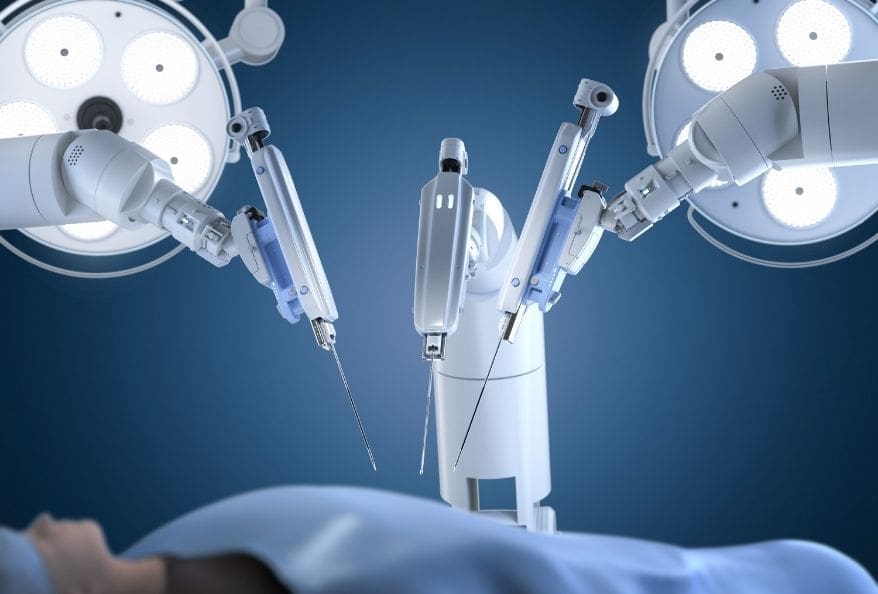
Robotics technology is advancing rapidly. Engineers now design machines that learn and adjust while performing tasks. A recent robotics study explores how robots manage complex movements. Researchers tested adaptive robotics methods that help machines remain stable during unexpected changes.
Traditional robots often rely on fixed programming. However, real environments constantly change. Because of this, modern robots must learn while operating. AI-Driven Robotics enables machines to respond instantly to new conditions.
Adaptive Robotics Improves Robot Control
Many traditional robots follow pre-defined instructions. These systems perform well in controlled factory environments. However, they struggle when conditions change suddenly.
AI-Driven Robotics solves this problem using real-time learning. Robots continuously update their control systems while moving. For example, when a robotic arm lifts an object, its weight may change unexpectedly.
Consequently, the robot must adjust its motion immediately. Intelligent Robotics allows the machine to calculate new control values instantly.
Real-Time Learning in Adaptive Robotics
Real-time learning helps robots maintain stability during difficult tasks. Sensors detect movement errors and feed new data into control algorithms. As a result, the robot corrects its motion before instability occurs.
To illustrate, consider riding a bicycle. When you hit a bump, you adjust your balance automatically. In the same way, AI-Driven Robotics allows machines to adjust movement instantly.
The Science of Motion
The research focused on a two-link robotic arm system. Scientists applied Lyapunov-based stability methods to ensure reliable motion.
Although the mathematics behind this approach is complex, the concept is simple. The control system guarantees that the robot remains stable during operation.
Researchers also introduced sensor interference during experiments. Despite these disturbances, Self-Adapting Robots
kept the robot on its intended path.
Stability Testing in Intelligent Robotics Systems
Testing showed that Self-Adapting Robots significantly improved motion accuracy. Even when sensors experienced interference, the robotic arm successfully reached its target.
Therefore, this technology could transform many advanced systems. Industries such as aerospace and deep-sea exploration rely on robots that must operate independently.
In those environments, human intervention is often impossible. Adaptive robotics allows machines to maintain reliable performance under uncertainty.
Skills Needed for Careers in Adaptive Robotics
The rapid growth of Intelligent Robotics is creating new engineering opportunities. Engineers working in robotics combine several technical disciplines.
Important skills include:
- Programming in Python or C++
- Understanding control algorithms
- Designing robotic systems
- Testing mechanical hardware
In addition, knowledge of physics and calculus helps engineers understand robotic motion. These subjects form the foundation of robot dynamics and control systems.
Future Applications of Self-Learning Robots
Intelligent Robotics may soon appear in many industries. Robots could assist surgeons in hospitals. Autonomous machines might repair satellites in space.
Furthermore, robots could explore deep oceans where humans cannot easily travel. These environments require machines capable of adjusting to unpredictable conditions.
For this reason, adaptive robotics represents a major step forward in intelligent automation.
The Growing Impact of Adaptive Robotics
Robotics companies are investing heavily in adaptive robotics technology. Businesses developing automation systems require engineers who understand advanced control methods.
Above all, adaptive robotics shows how machines can become more flexible and intelligent. Robots are gradually learning to adjust their behavior just like humans do.
In the coming years, Intelligent Robotics will likely shape industries ranging from manufacturing to healthcare. Engineers who master this technology will help design the next generation of smart machines.
Final Thoughts on Adaptive Robotics
Adaptive robotics is transforming how machines interact with the world. By combining adaptive control and intelligent algorithms, robots can adjust to unexpected changes. As technology advances, these smart systems will become essential across industries. Ultimately, adaptive robotics will help build safer, more reliable automation for future applications.
Additionally, to stay updated with the latest developments in STEM research, visit ENTECH Online.
Reference
- Behal, A. (2026). Adaptive and Nonlinear Control of Robotics. Robotics, 15(3), 56. https://doi.org/10.3390/robotics15030056
- Author
- Latest Posts

Kottauppari Venkat Raghava
I am a technology-driven IT graduate with a strong passion for science and innovation. I am fascinated by how innovations like artificial intelligence, robotics, and emerging technologies are shaping our world. I specialize in analyzing complex scientific and technological research and presenting it in a clear, accessible way. My goal is to make science and technology understandable and engaging for students, tech enthusiasts, and professionals alike. By breaking down advanced concepts into simple, insightful narratives, I strive to inspire curiosity, learning, and innovation, helping readers stay informed about the breakthroughs that are shaping the future.