AI EV energy management combines smart energy grids, machine learning, and EV batteries to optimise power use, reduce waste, and support renewable energy growth.
AI EV Energy Management & Smart Energy Grid Explained
At present, AI EV energy management is transforming how electricity is generated, distributed, and consumed. An AI energy grid, also known as a smart energy management system, uses artificial intelligence to improve efficiency and reliability. By leveraging machine learning, these systems can predict energy supply and accurately forecast electricity demand.
They analyze weather conditions and user consumption patterns to create optimised schedules for energy distribution. In addition, advanced algorithms like CatBoost process large datasets efficiently, helping the grid operate more intelligently. As a result, AI-powered smart grids enhance stability, reduce operational costs, and significantly minimise energy waste.
Key Highlights of This Research
- Enhanced Grid Efficiency: Reduces energy waste and improves overall system stability
- AI EV Energy Management Integration: Combines AI with electric vehicles for smarter energy use
- Accurate Demand Forecasting: Predicts electricity supply and demand using machine learning
- Optimized Energy Distribution: Creates efficient schedules based on real-time data
- Vehicle-to-Grid (V2G) Support: Allows EVs to store and supply energy to the grid
How Electric Vehicles Support AI EV Energy Management
Vehicle-to-Grid (V2G) Technology Explained
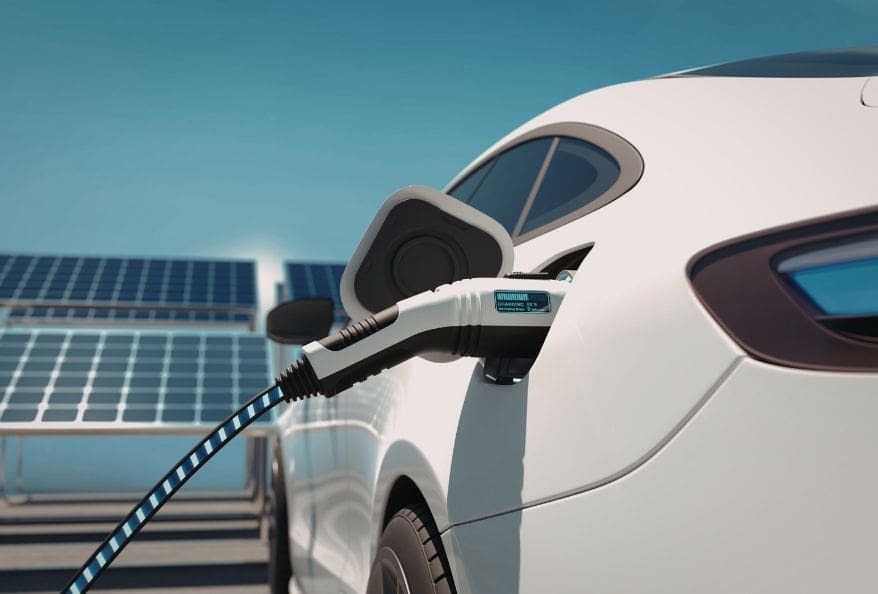
At this point, electric vehicles play a crucial role in Electric vehicle energy optimisation. They act as mobile batteries through a concept called Vehicle-to-Grid (V2G).
To put it differently, EVs can send stored electricity back to the grid. For example, during peak demand, EVs supply energy to stabilize the system. At the same time, the AI energy grid ensures vehicles remain sufficiently charged.
Provided that scheduling works correctly, users experience no inconvenience. Therefore, AI-powered energy systems with EV integration become highly efficient.
Battery Health Protection in Smart Energy Systems
Many people worry about battery damage. However, modern AI EV energy management systems include battery-aware strategies.
To explain, the system avoids excessive charging cycles and deep discharges. As a result, battery life remains protected. In short, EVs support the AI energy grid safely and efficiently.
Why AI Energy Grid Systems Matter for Renewable Energy
At present, renewable energy systems face major challenges. Solar panels do not generate power at night, and wind turbines depend on weather conditions.
In contrast, EV batteries provide flexible storage solutions. This strengthens the grid significantly.
An AI energy grid system improves forecasting and scheduling. As a result, energy use becomes more efficient and reliable. All things considered, this approach accelerates clean energy adoption worldwide.
Real-World Applications of AI Energy Grid Technology
Smart Cities and Energy Efficiency
At this time, cities are evolving into smart ecosystems. An AI energy grid supports intelligent infrastructure and efficient power usage.
For instance, EV fleets can stabilise urban energy demand. As a result, power outages become less frequent and energy distribution improves.
Renewable Power Plant Integration
In this case, solar and wind farms benefit directly from AI-driven smart energy management systems.
The grid automatically balances supply and demand. To sum up, energy systems become more predictable, stable, and scalable.
STEM Career Opportunities in Electric vehicle energy optimisation
At this point, students may explore exciting careers in this growing field of AI energy grid technology.
Top Career Paths
- Power Systems Engineer
- AI Engineer for Smart Grids
- Data Scientist in Energy Systems
- Renewable Energy Analyst
Skills You Should Develop
- Strong foundation in mathematics and physics
- Programming skills (Python, AI/ML)
- Data analysis and simulation techniques
With this in mind, early preparation creates strong career opportunities in smart grid and AI energy systems.
What Makes AI Energy Grid Research Unique
As has been noted, many traditional systems focus only on prediction. However, modern AI EV energy management combines forecasting with real-time scheduling.
To put it another way, it connects prediction with execution. This significantly improves efficiency.
In addition, these systems consider EV battery health. That is to say, they balance performance with sustainability.
All in all, the AI energy grid ecosystem becomes practical for real-world deployment.
Conclusion: The Future of AI EV Energy Management
In conclusion, AI EV energy management represents a major advancement in energy technology. By combining artificial intelligence with electric vehicles, the AI energy grid creates a smarter and more resilient system.
As a result, renewable energy becomes more reliable and efficient. In the long run, this supports a cleaner and more sustainable environment.
Additionally, to stay updated with the latest developments in STEM research, visit ENTECH Online.
Reference
- Ibrahim, R. A., Abdelrahim, A. M., Elwakil, A., & Zakzouk, N. E. (2026). An Integrated Forecasting and Scheduling Energy Management Framework for Renewable-Supported Grids with Aggregated Electric Vehicles. Technologies, 14(3), 185. https://doi.org/10.3390/technologies14030185
- Author
- Latest Posts

Kottauppari Venkat Raghava
I am a technology-driven IT graduate with a strong passion for science and innovation. I am fascinated by how innovations like artificial intelligence, robotics, and emerging technologies are shaping our world. I specialize in analyzing complex scientific and technological research and presenting it in a clear, accessible way. My goal is to make science and technology understandable and engaging for students, tech enthusiasts, and professionals alike. By breaking down advanced concepts into simple, insightful narratives, I strive to inspire curiosity, learning, and innovation, helping readers stay informed about the breakthroughs that are shaping the future.