AI Ship Monitoring: Smart Tech Protects the Seas
AI ship monitoring using lightweight MobileNet technology allows vessels to detect nearby ships instantly, improving maritime safety while reducing computing power.
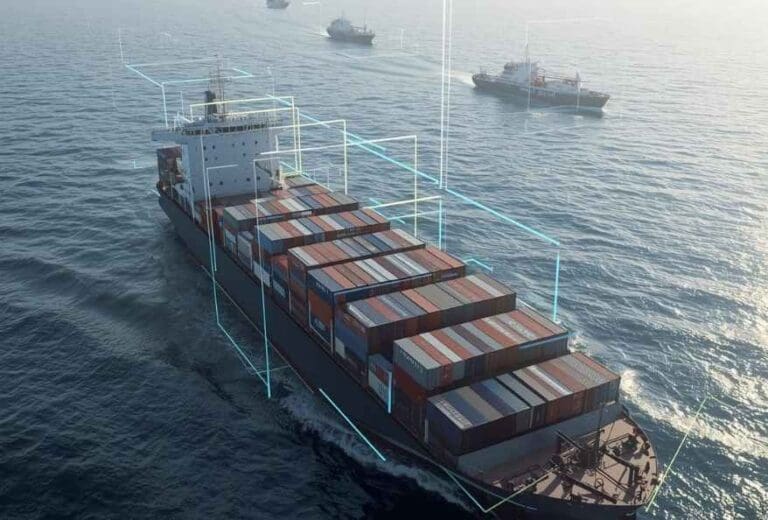
AI Ship Monitoring: Smart Tech Protects the Seas

Water on Mars: New Research Reveals Subsurface Distribution!

Hydrogen Fuel Cells: Transforming Marine Vehicles
Navigating Success: Top Colleges in Merchant Navy
Marine engineering is a branch of engineering that focuses on the design, operation, maintenance and improvement of machinery and technical systems used on ships and other marine vessels. It combines principles from mechanical engineering, electrical engineering, thermodynamics, fluid mechanics and automation.
Ships depend on complex engineering systems to travel across oceans, transport goods and support activities at sea. Marine engineers work with propulsion systems, engines, generators, pumps, electrical equipment and onboard machinery. They help ensure that these systems operate efficiently and reliably throughout a vessel’s journey.
Marine engineering also plays an important role in developing more energy-efficient vessels and reducing the environmental impact of maritime transportation. As the shipping industry adopts cleaner fuels, advanced automation and digital monitoring, new opportunities continue to emerge in this field.
At ENTECH STEM Magazine, explore the principles, applications and innovations behind marine engineering and discover how engineering keeps the maritime world moving.
Marine engineering includes several specialised areas that support the operation and performance of ships. These areas involve the design, integration, monitoring and maintenance of different onboard systems.
A ship’s propulsion system provides the power required to move it through water. Marine engines convert energy from fuel into mechanical power, which is used to drive the vessel’s propulsion equipment.
Marine engineers study different types of propulsion systems, including conventional diesel engines, gas turbines and electric propulsion arrangements. They also explore how engine performance, fuel consumption and operating conditions affect vessel efficiency.
Ships require electricity to operate lighting, navigation equipment, communication systems, pumps and other onboard machinery.
Marine power systems typically include generators, electrical distribution equipment, transformers and control systems. Marine engineers help maintain these systems and ensure that electrical power is available to different parts of a vessel.
Apart from propulsion, ships use several supporting machines to perform everyday operations. These include pumps, compressors, heat exchangers, boilers and refrigeration equipment.
Auxiliary machinery supports functions such as cooling, fluid circulation, air supply and temperature control. Marine engineers study how these systems work together and how their performance affects vessel operations.
Heating, ventilation and air conditioning (HVAC) systems help maintain suitable environmental conditions inside ships. Refrigeration systems are also important for food storage, cargo transportation and temperature-controlled spaces.
Marine engineers work with these systems to maintain comfortable onboard environments and support the requirements of different types of vessels.
Modern ships use automated systems to monitor machinery and support vessel operations. Sensors and control equipment collect information about parameters such as temperature, pressure, speed and equipment performance.
Automation helps operators monitor onboard systems and identify unusual operating conditions. Marine engineers work with control equipment, monitoring systems and digital technologies to improve reliability and efficiency.
Marine machinery requires regular inspection and maintenance to remain reliable. Engineers study equipment performance, identify possible problems and plan maintenance activities.
Maintenance engineering also involves understanding how machinery wears over time and how equipment reliability can be improved. Proper maintenance helps vessels operate efficiently and reduces unexpected interruptions.
Marine engineering supports several areas of maritime transportation and ocean-based industries. Its applications extend beyond commercial cargo ships to passenger vessels, offshore support vessels and specialised marine equipment.
Cargo ships transport goods, raw materials and commodities between countries. Their operation depends on reliable propulsion, electrical power, cooling and auxiliary machinery.
Marine engineers contribute to the operation and maintenance of these systems. They also work on improving fuel efficiency and reducing the environmental impact of commercial shipping.
Passenger ships and cruise vessels require complex engineering infrastructure. In addition to propulsion, they need electrical power, water supply, ventilation, refrigeration and waste management systems.
Marine engineers help maintain these systems so that vessels can support passengers and crew during long journeys.
Offshore industries use specialised vessels to support activities at sea. These vessels may provide transportation, equipment support and other services for offshore infrastructure.
Marine engineering contributes to their propulsion, power generation, machinery and onboard control systems.
Research vessels support oceanographic studies, marine science and environmental monitoring. They carry specialised equipment that helps scientists collect information about oceans and marine environments.
Marine engineers maintain the machinery and supporting systems that allow these vessels to operate reliably during research missions.
Technological developments are changing how ships are powered, monitored and maintained. Marine engineers are increasingly involved in developing cleaner propulsion systems and more intelligent vessel technologies.
The maritime industry is exploring alternative fuels and energy technologies to reduce emissions from ships. Options being studied and adopted include methanol, ammonia, hydrogen and other lower-emission fuel pathways.
Each option presents different engineering requirements related to storage, fuel supply, engine compatibility and onboard systems. Marine engineers contribute to evaluating and integrating these technologies.
Electric propulsion systems use electric motors to provide thrust. Hybrid systems combine different power sources, such as conventional engines and electrical energy storage.
These technologies can improve energy management in suitable vessel applications. Marine engineers work on propulsion arrangements, generators, batteries and power management systems.
Digital monitoring, automation and advanced navigation technologies are changing how vessels are operated. Smart ships use connected equipment and sensors to collect information about machinery and operating conditions.
Autonomous vessel technologies also involve control systems, communication equipment and intelligent monitoring. Marine engineers contribute to the onboard engineering systems that support these developments.
Artificial intelligence can analyse machinery data to identify patterns that may indicate changing equipment conditions.
Predictive maintenance systems use information from sensors and monitoring equipment to help engineers plan inspections and maintenance. These approaches can support better equipment reliability and reduce unexpected downtime.
Improving vessel energy efficiency is an important area of marine engineering. Engineers study propulsion performance, machinery efficiency, energy management and onboard power consumption.
Technologies such as waste heat recovery, improved propulsion arrangements and energy-efficient auxiliary systems can help reduce fuel use and operational emissions.
Marine engineering may interest students who enjoy physics, mathematics, mechanical systems, engines and technology. It offers an opportunity to understand how large engineering systems operate in a challenging marine environment.
Students interested in this field can build a foundation through school-level subjects such as physics, mathematics and chemistry. Marine engineering programmes commonly cover thermodynamics, fluid mechanics, marine diesel engines, electrical systems, naval machinery, marine automation and ship maintenance.
Practical learning through laboratories, engineering projects and relevant industry exposure helps students understand how marine systems work.
Graduates can explore career opportunities in several areas, including:
Career pathways may also extend to maritime equipment companies, shipyards, offshore engineering organisations and marine research institutions. Specific roles can have different qualification, certification and professional training requirements.
Marine engineering demonstrates how mechanical, electrical and control engineering principles come together to support transportation and technology at sea. From powerful propulsion systems to advanced electrical equipment, it plays an important role in the global maritime industry.
Whether you are exploring engineering branches, learning how ships work or considering a career in the maritime sector, marine engineering offers many interesting areas to discover.
ENTECH STEM Magazine brings together educational articles, expert insights and technology-related content to help students explore science, technology, engineering and mathematics. Explore our marine engineering resources to learn about the machinery, systems and innovations shaping the future of maritime technology.