Clinical Pharmacy Services are evolving as pharmacists adopt new healthcare technologies. A recent study shows how AI assists with disease identification and medication management by analyzing patient symptoms to guide users effectively. This innovation enhances…
Clinical Pharmacy Services and Drug Risk Assessment Study

Clinical Pharmacy Services are evolving as pharmacists adopt new healthcare technologies. A recent study shows how AI assists with disease identification and medication management by analyzing patient symptoms to guide users effectively. This innovation enhances clinical decision-making and supports safer, more personalized care. Platforms like entechonline.com highlight this growing trend in digital health and pharmacy practice.
Core System Explained
The Medication Adviser System stands out. It relies on Natural Language Processing. Users enter symptoms like cough or fever. Above all, it matches them to diseases.
At first, the system cleans data. Then it extracts features. TF-IDF Vectorizer plays a key role. After that, it links symptoms to records. To illustrate, fever might point to flu. What’s more, it lists medications. For example, paracetamol for pain.
Key Takeaways
- Clinical Pharmacy Services (CPS) documented 1000 interventions across 504 patients during 16,705 treatment days.
- Pharmacists were present on ward rounds for 66.87% of CPS, highlighting active interdisciplinary engagement.
- The most frequent CPS topics addressed were indication/therapeutic reasons and dosing issues.
- 358 drug‑related problems (DRP) were identified, many classified as severe or moderate, with 15.36% already resulting in ADRs.
- A total of 932 recommendations were made to address DRP, with about 54% being implemented by treating physicians.
How It Identifies Diseases
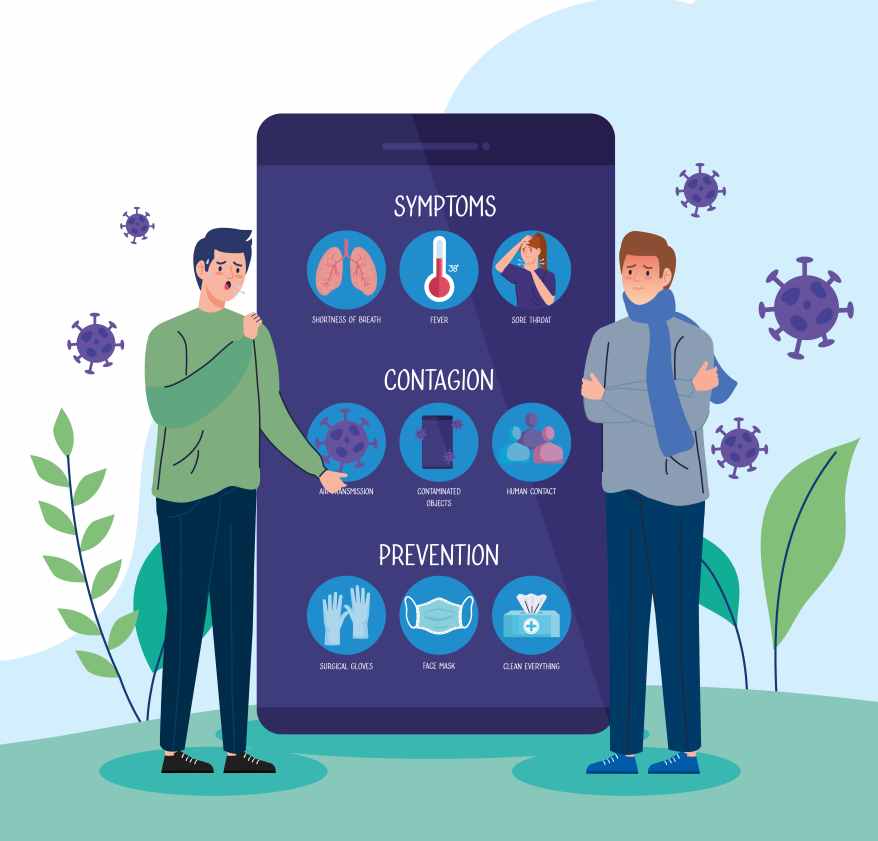
NLP powers the process. It reads user input fast. In fact, training data comes from medical sources. The system spots patterns. Such as headache with nausea for migraine.
Prior to output, it checks matches. It picks the top disease. At the present time, accuracy matters most. To point out, this aids early care. All in all, users get clear info.
Step-by-Step Process
Users type symptoms. The tool processes text. It uses vectors for meaning. After all, this beats simple searches. So as to confirm, it queries databases. In light of this, results show fast.
Output Details
It gives disease name. As well as, a description follows. Medications list appears next. Preventive measures come too. Diet plans and workouts add value. To sum up, it supports full care.
Benefits for Pharmacies
Pharmacists gain time. Patients self-check first. At any rate, pros verify later. Healthcare access grows in remote areas. Seeing that doctors lack time, this fills gaps.
In effect, it cuts errors. Users learn drug options. Balanced against risks, education helps.
Real-World Use
Take rural clinics. A farmer reports fatigue. The system suggests anemia. Pharmacist stocks iron pills. As a result, treatment starts quick. In due time, health improves.
Tech Behind It
NLP models drive it. They handle varied language. English works best now. To explain, future updates add tongues. Data cleaning removes noise. Feature extraction boosts precision.
Vis a vis old methods, this shines. Manual checks take hours. AI does it seconds. With this in mind, scale matters. Up to thousands use daily.
Training Data
Sources include open records. Diseases span common ones. Symptoms link to proofs. At length, models learn deep. So long as data stays fresh, it works.
Safety First
Warnings appear always. It stresses doctor visits. Provided that symptoms worsen, seek help. No self-drug push here. After all, AI aids, not replaces.
In spite of smarts, limits exist. Rare diseases miss. Complex cases need exams. To repeat, consult pros. All things considered, pair with care.
Future Outlook
Updates loom large. Voice input may come. Integration with apps grows. Pharmacies adopt soon. At this time, tests show promise.
Another key point, costs drop. Small clinics afford it. So far, pilots succeed. To list, India leads trials. What’s more, global spread follows.
Challenges Ahead
Data privacy ranks high. Users share health info. Regulations guide use. Bias in data risks errors. Teams fix this ongoing. In conclusion, balance drives progress.
Summing up, this tool changes pharmacy. It speeds advice. Patients act faster. Pharmacists focus on tough cases. At last, better health wins.
Conclusion
In this comprehensive study, the authors provide a detailed examination of clinical pharmacy services (CPS) in a non-university hospital, highlighting their scope, intensity, and clinical relevance within routine patient care. Over the course of the investigation, 1,000 CPS were documented in 504 patients across nearly 17,000 treatment days, demonstrating a broad and active integration of CPS into diverse medical departments. Pharmacists’ participation was especially impactful during ward rounds, which accounted for nearly two-thirds of all documented CPS and appears to be a key driver for identifying potential issues in medication management.
A significant finding is the high prevalence of drug-related problems (DRP) uncovered during CPS, with almost one-third of DRP categorized as moderately to very severe. Notably, approximately 15% of identified DRP had already resulted in adverse drug reactions (ADR) before intervention, indicating the critical role of clinical pharmacists in early DRP detection and potential ADR prevention.
Across all CPS, pharmacists forwarded 932 recommendations to resolve DRP, and more than half of these were implemented by treating physicians, underscoring a meaningful level of interprofessional collaboration and trust in pharmacist recommendations. However, the implementation rate also highlights an opportunity for improvement in communication processes and systemic support to maximize the impact of CPS.
The study emphasizes that, even in a non-university setting with limited resources and staffing, CPS can significantly contribute to medication safety and patient outcomes. It also underscores the need for prioritized, efficient allocation of CPS, tailored to departmental needs and clinical priorities. Looking forward, expanding CPS at patient discharge and enhancing patient-oriented counseling are identified as promising areas for future development to further improve continuity of care and medication safety.
FAQs
What was the main focus of this clinical pharmacy services study?
The study characterized the range and impact of Clinical Pharmacy Services offered in a non‑university hospital, including risk assessment of drug‑related problems and adverse drug reactions.
How many clinical pharmacy interventions were documented?
A total of 1,000 clinical pharmacy services were documented across 504 patients on 16,705 treatment days.
What proportion of pharmacist recommendations were implemented by physicians?
Just over half (53.97%) of the pharmacist‑forwarded recommendations to resolve drug‑related problems were adopted by treating physicians.
Additionally, to stay updated with the latest developments in STEM research, visit ENTECH Online.
Reference
Zube, O., Schlüter, W., Dicken, J., Hensen, J., & Bertsche, T. (2025). The Spectrum of Clinical Pharmacy Services in a Non-University Hospital—A comprehensive characterization including a risk assessment for Drug-Related Problems and Adverse Drug Reactions. Pharmacy, 13(6), 164. https://doi.org/10.3390/pharmacy13060164
Disclaimer: We do not intend this article/blog post to provide professional, technical, or medical advice. Therefore, please consult a healthcare professional before making any changes to your diet or lifestyle. In fact, we use AI-generated images for illustration and decoration. Their accuracy, quality, and appropriateness can differ. So, users should avoid making decisions or assumptions based only on the text and images.
- Author
- Latest Posts

I completed my Master of Science from the University of Allahabad in 2017 with a strong academic background in life sciences and chemistry. My specialization included Molecular Biology, Microbiology, Genetics, Plant Breeding, Phycology, Paleobotany, and Bioinformatics, along with Organic Chemistry, Inorganic Chemistry, and Physical Chemistry. This multidisciplinary training provided me with a comprehensive understanding of biological systems and analytical scientific approaches.
After completing my postgraduate studies, I gained valuable professional experience in both the education and social development sectors. I worked at A.M. Oxford Public School, where I was actively involved in guiding students toward academic excellence. In this role, I focused on creating an engaging learning environment, encouraging critical thinking, and nurturing students’ curiosity for scientific learning. My experience as an educator strengthened my communication, mentoring, and classroom management skills.
In addition to my teaching experience, I worked with Jeevan Jagriti Foundation, where I contributed to community-based initiatives aimed at improving educational access and awareness among underprivileged sections of society. Through this work, I participated in programs designed to support social development and promote the value of education in marginalized communities.
These professional experiences helped me develop strong interpersonal, leadership, and organizational skills while reinforcing my commitment to education and community service.