Discover how construction management services solve top industry challenges like scope creep, scheduling delays, and quality control to keep project on track.
Top Challenges in Construction and How Construction Management Services Solve Them
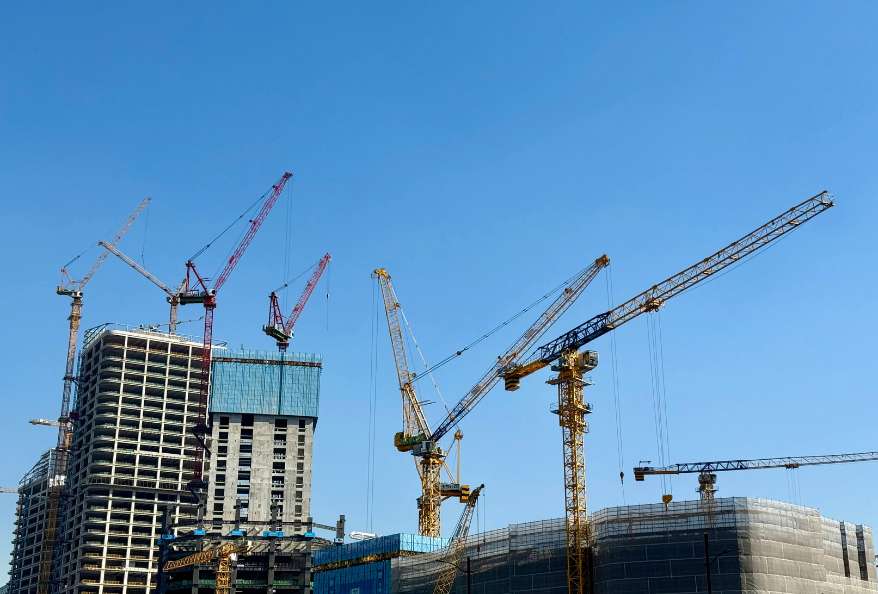
Construction projects rarely fail because of one big mistake. They slip because of a hundred small ones that stack up fast. A missed detail in a drawing. A late delivery. A subcontractor who shows up with the wrong crew size. Then the schedule tightens, stress rises, and simple decisions start to cost real money.
That is why teams bring in construction management services early. The best managers do more than track dates and invoices. They build a plan that holds up in the real world, keep people aligned when pressure hits, and turn problems into decisions before they turn into delays.
Scope Creep and Late Design Changes
Most projects start with a clear goal. Then reality shows up. The owner wants a different finish. The architect revises a layout after site conditions become clear. The engineer adjusts structural details when a beam conflicts with mechanical runs. None of these changes feels “huge” in isolation, yet each one creates ripples across materials, labor, inspections, and sequencing.
A strong project manager sets guardrails around scope from day one. That starts with sharper documentation and smarter early reviews. Constructability checks catch conflicts that drawings miss. Early trade input helps the design team avoid details that look fine on paper but fail in the field. When the team finds a risk, the manager pushes it into an action item with an owner, a deadline, and a clear next step.
When change still happens, the manager runs a clean, disciplined change process. The team documents the request, confirms the design intent, and ties it to schedule and cost impacts before work starts. That keeps the project from drifting into “we’ll figure it out later.” Later costs more. Every time.
Scheduling Conflicts and Fragile Timelines
Schedules break when they rely on best-case assumptions. Weather hits. A permit review takes longer. A specialty item lands two weeks late. Or crews trip over each other because the sequence lacks detail. Many delays come from handoffs that no one fully owns, like “framing finishes and then MEP rough-in begins.”
Construction managers create schedules that behave like tools, not posters. They build logic into the sequence, identify the true critical path, and plan around long-lead items from the start. They also add short-interval planning, like two-week look-ahead schedules, so foremen can spot constraints early. Missing access? Unfinished layout? Pending submittal approval? The schedule should surface those issues while the team still has options.
Just as important, managers hold scheduled meetings with a purpose. They do not let teams report “we’re fine” without evidence. They ask direct questions. What must happen this week so next week stays possible? Who owns that handoff? What stops the crew from starting Monday morning? Clear answers protect the timeline more than any fancy software.
Cost Overruns and Budget Surprises
Budget risk starts long before the first invoice. If the estimate misses a site condition, the project pays later. If bid scopes differ across trades, the team buys gaps during construction. If procurement starts late, pricing changes and freight costs jump. Even small misalignments can turn a clean budget into a monthly argument.
Good construction managers treat cost control as a weekly practice. They build a detailed budget with clear scope notes, then track commitments and projected costs against that baseline. They do not wait for end-of-month reports to discover a trend. They review buyout packages, confirm subcontractor scope coverage, and close gaps before crews start work.
They also keep cost conversations grounded in options. When pricing runs hot, the manager brings real alternatives, not vague “value engineering” promises. They present substitutions that meet performance needs, suggest sequencing changes that reduce labor hours, or adjust material selections that keep the design intent intact. The point is simple: preserve the budget without sacrificing the parts of the project that matter most.
Trade Coordination and Communication Breakdowns
Construction depends on teamwork, yet every trade has its own priorities. Electricians want walls open. Drywall crews want walls closed. Mechanical runs need space that framing sometimes steals. Add multiple vendors, multiple supervisors, and changing field conditions, and miscommunication becomes the default risk.
A construction manager builds a communication rhythm that keeps details from falling through cracks. That includes clear meeting cadences, tight agendas, and documented action logs. It also includes a strong submittal and RFI flow, so field teams do not guess when they face an unclear detail. Guessing leads to rework. Rework leads to delay and wasted labor.
Managers also bring coordination into the field. They walk the site with trade leads, mark out conflicts early, and confirm access for upcoming work. They push for clear installation standards, like hanger spacing, sleeve locations, and ceiling height benchmarks. That level of clarity keeps trades moving in the same direction, even when the project hits a rough patch.
Safety Risks, Compliance Pressure, and Jobsite Exposure
Safety does not live in a binder. It lives in daily habits. Tight schedules and crowded sites increase risk fast. New crews rotate in. Multiple employers share the same space. One shortcut can lead to an incident that stops work, triggers investigations, and damages morale.
Construction managers set safety expectations in plain language and then back them up with routine. They run strong site orientations, enforce PPE rules, and set clear traffic paths. They keep housekeeping standards high, so trips and falls do not become “normal.” They also coordinate high-risk work, like lifts, hot work, trenching, or confined spaces, with permits and spot checks that match the risk level.
Compliance adds another layer. Inspections, environmental rules, and documentation requirements can slow work if the team treats them as afterthoughts. Managers plan inspection sequences, maintain required records, and coordinate with authorities early. That keeps the project from stalling because someone forgot a test report or scheduled an inspection too late.
Quality Problems and Painful Closeouts
A project can look done and still fail to cross the finish line. Punch lists grow when crews rush. Systems fail tests when teams skip steps. Closeout drags when documents scatter across emails and job trailers. Owners get frustrated, contractors keep carrying costs, and the final handoff turns tense.
Construction managers prevent this by treating quality as a process, not a final inspection. They set acceptance standards early, push mockups for sensitive finishes, and require checklists for repeat work like penetrations, firestopping, waterproofing, and tile layout. They also schedule testing and commissioning as real work, with time and responsibility assigned. If the plan includes it, teams do it. If the plan ignores it, teams scramble.
Closeout gets easier when managers collect documentation throughout the job. Submittals, warranties, as-builts, O&M manuals, and training plans should build week by week. When the project reaches substantial completion, the team should already have most of the package ready. That turns closeout into an organized handoff instead of a last-minute scavenger hunt.
Additionally, to stay updated with the latest developments in STEM research, visit ENTECH Online. Basically, this is our digital magazine for science, technology, engineering, and mathematics. Further, at ENTECH Online, you’ll find a wealth of information.
- Author
- Latest Posts

Charudatta Pathak was a student at St. Aloysius High School in Bhusawal, established in 1874, making it one of India’s oldest convent institutions. He earned his bachelor’s degree in mechanical engineering from SSVPS College of Engineering, Dhule in 1995, demonstrating exceptional academic achievement. Thereafter, he launched his career as a CNC programmer in a toolroom. He has utilized FANUC, Deckel, Maho, and Mikron controllers to operate 2-axis and 3-axis machines for the fabrication of jigs, fixtures, dies, and molds. He commenced his career as an academic in 1996, when he assumed the role of lecturer at SSVPS College of Engineering, Dhule. Additionally, he earned his post-graduate degree in CAD/CAM from L. D. College of Engineering, Ahmedabad, in 2000, and then acquired a Ph.D. from COEP in 2011 while concurrently engaged in teaching. Until 2023, he occupied many academic roles, including lecturer, assistant professor, professor, dean, principal, director, and vice chancellor at both public and private universities throughout India. From 2008 to 2010, he served as the project lead in the CAE department of a European multinational firm. During his 28-year professional tenure, he identified a need for dependable books targeted at students in grades 8 to 12, particularly for nascent career planning. He founded ENTECH Digital Magazine, a free monthly publication available on entechonline.com and magzter.com. Teens with a strong interest in Science, Technology, Engineering, and Mathematics (STEM) who aspire to pursue careers in these fields may find ENTECH Digital Magazine beneficial.