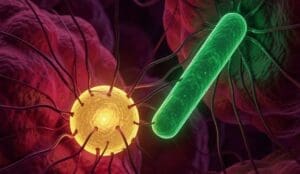
Dangerous Fungus Fusarium usually stay in the soil or on rotting logs. Fusarium is different because it breaks all the rules of nature
How Dangerous Fungus Infection Spreads and How to Stop It: Fusarium
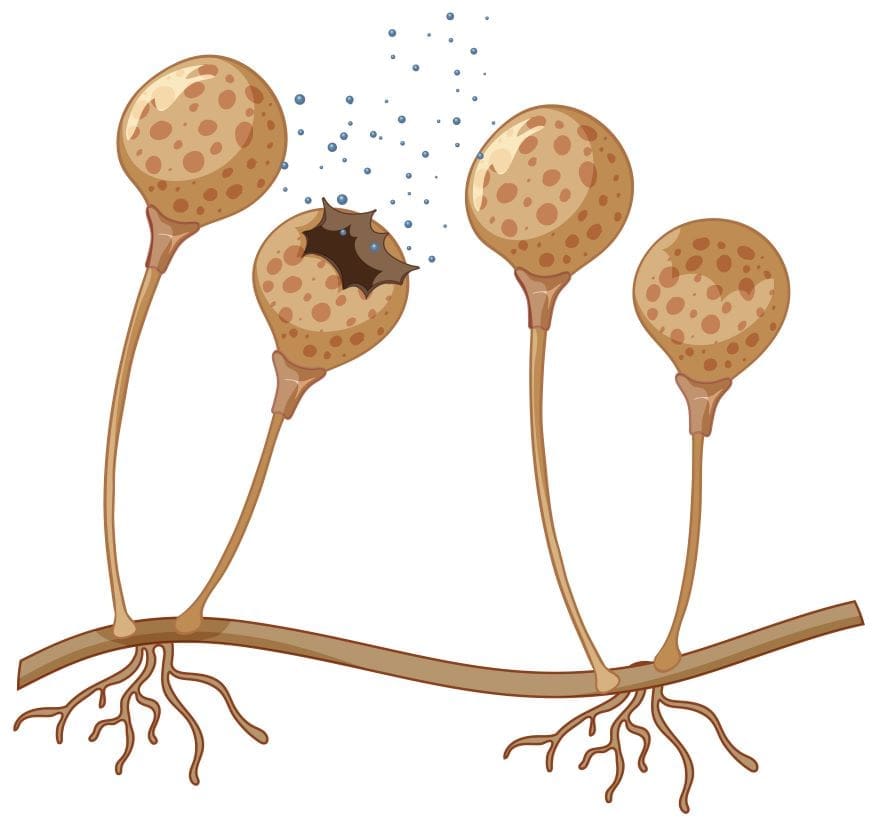
Dangerous Fungus Infection
Dangerous fungus infection cause rotting logs. Fusarium is different because it breaks all the rules of nature. This tiny organism can infect plants, animals, and even humans. Scientists call this a cross-kingdom pathogen. This means it jumps from one type of living thing to another. At this time, researchers are very worried about its power. It can adapt to almost any environment. It uses smart genetic tricks to survive. STEM students should pay attention to this growing biological threat.
The Shape-Shifter of the Soil
Fusarium is a genus of fungi found all over the globe. At first, people only knew it as a crop killer. It ruins tomatoes, bananas, and wheat every single year. These infections cause huge losses in agriculture. To explain, the fungus clogs the water pipes inside the plant. The plant then wilts and dies very quickly. While this may be true, the fungus does not stop there. It can also cause serious infections in humans. It often attacks the eyes or the skin. In people with weak immune systems, it is very deadly.
How It Swaps DNA
How does one fungus attack such different hosts? The answer lies in its DNA structure. Fusarium has a very flexible genome. It carries extra chromosomes that it can swap with other fungi. To point out, these are called accessory chromosomes. They contain the “blueprints” for attacking new hosts. After that, the fungus can change its strategy. It is analogous to a soldier changing weapons for a new battle. This genetic plasticity makes it a master of survival.
Climate Change and Fungal Growth
The world is getting warmer at the present time. This change helps Fusarium spread to new places. Hotter weather makes plants weaker and more stressed. As a result, the fungus finds it easier to move in. So far, we see it moving into cooler northern regions. This shift threatens food security on a global scale. We must watch these patterns with attention to detail. Sooner or later, we will need new ways to stop it.
Career Paths in Fungal Science
This “menace” creates many opportunities for future scientists. If you like biology, you could become a Plant Pathologist. These experts find ways to protect our food. To list another option, you can study Medical Mycology. This field focuses on fungal diseases in people. You might work in a lab to develop new antifungal drugs. Many Fusarium strains are now resistant to current medicines. This makes the work of Biotechnologists very important. found more on entechonline.com
Engineering Better Solutions
Engineers also play a big role in this fight. They design sensors to detect fungi in the soil. They also create drones to spray crops with precision. With this intention, we can reduce the use of chemicals. You can learn more about modern farming tech online. Technology helps us stay one step ahead of the fungus. All in all, the field of STEM needs fresh minds. You could help solve this global One Health crisis.
Protection and Prevention
We must keep our food and water safe from mycotoxins. These are poisons made by the fungus. Summing up, they can cause long-term health issues. Scientists are testing new biocontrol agents to eat the fungus. This is a natural way to fight back. You can find more science projects to explore this. Provided that we act now, we can protect our world.
The Future of Biology
The study of Fusarium clearly shows how deeply everything in our world is interconnected. Plant health has a direct and often immediate impact on human health, as well as on animals and the broader environment. This idea lies at the heart of the One Health concept, which emphasizes collaboration across multiple disciplines. In the past, these areas were often studied in isolation, limiting our understanding of complex biological interactions. Today, however, it is essential for scientists, policymakers, and communities to work together across sectors to address emerging challenges..
Additionally, to stay updated with the latest developments in STEM research, visit ENTECH Online.
Reference
Abeysinghe, K., Madhushan, A., Ismail, A. M., Ilyukhin, E., & Maharachchikumbura, S. S. N. (2026). The multifaceted menace of fusarium as a plant, animal, and human pathogen. Biology, 15(6), 453. https://doi.org/10.3390/biology15060453
- Author
- Latest Posts

I completed my Master of Science from the University of Allahabad in 2017 with a strong academic background in life sciences and chemistry. My specialization included Molecular Biology, Microbiology, Genetics, Plant Breeding, Phycology, Paleobotany, and Bioinformatics, along with Organic Chemistry, Inorganic Chemistry, and Physical Chemistry. This multidisciplinary training provided me with a comprehensive understanding of biological systems and analytical scientific approaches.
After completing my postgraduate studies, I gained valuable professional experience in both the education and social development sectors. I worked at A.M. Oxford Public School, where I was actively involved in guiding students toward academic excellence. In this role, I focused on creating an engaging learning environment, encouraging critical thinking, and nurturing students’ curiosity for scientific learning. My experience as an educator strengthened my communication, mentoring, and classroom management skills.
In addition to my teaching experience, I worked with Jeevan Jagriti Foundation, where I contributed to community-based initiatives aimed at improving educational access and awareness among underprivileged sections of society. Through this work, I participated in programs designed to support social development and promote the value of education in marginalized communities.
These professional experiences helped me develop strong interpersonal, leadership, and organizational skills while reinforcing my commitment to education and community service.