tetraploid cottons gained better fiber quality and productivity than diploid ancestors. Moreover, polyploidization doubled genomes
Evolution of Spinnable Cotton Fibers: Polyploidy Shaping Modern Cotton quality
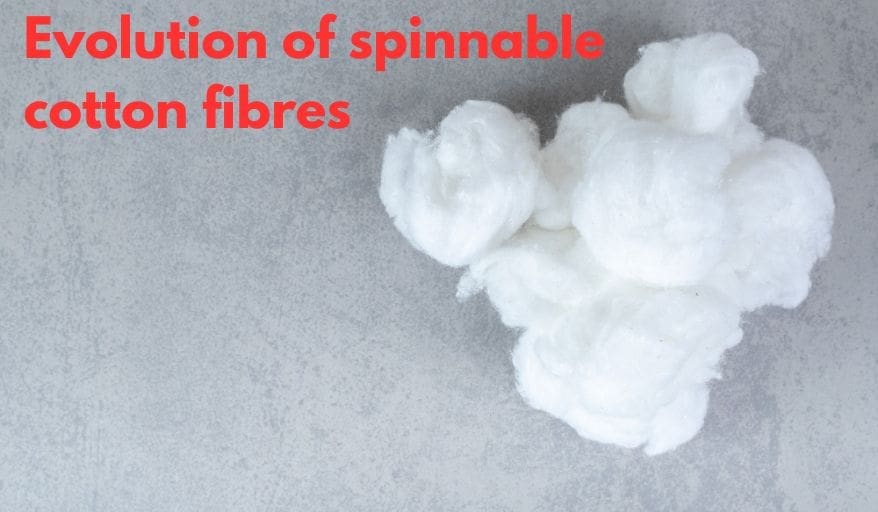
The evolution of spinnable cotton fibers is closely linked to repeated polyploidization events in Gossypium genomes. The evolution of spinnable cotton fibers began in the A-genome diploid ancestors and was further enhanced after a recent allopolyploid event, which combined A- and D-genome lineages into tetraploid species. This genomic merging created extensive gene duplication, providing the genetic foundation for fiber innovation. The evolution of spinnable cotton fibres was driven by coordinated expression changes across sub genomes and non-reciprocal DNA exchanges, resulting in longer, stronger, and more spinnable fibers. Overall, the evolution of spinnable cotton fibers exemplifies how polyploidy fuels phenotypic novelty, shaping key traits that underpin cotton domestication and modern textile production.
Key Takeaways
- First, genome doubling transformed diploid ancestors into elite tetraploid cottons (G. hirsutum, G. barbadense), illustrating the Evolution of spinnable cotton fibres.
- Next, “genomic shocks” evolved spinnable cotton fibres, boosting quality, length, and productivity, illustrating the Evolution of spinnable cotton fibres.
- Moreover, QTL hotspots and CESA genes enable targeted fiber enhancement, illustrating the Evolution of spinnable cotton fibers.
- Additionally, wild traits integrate stress resistance and drought tolerance for resilient varieties, illustrating the Evolution of spinnable cotton fibres.
- Consequently, this powers 80% of global textiles, plus oilseed and biofuels applications. Finally, pioneered by Wendel, Chen, and Paterson, it forms the foundation for the molecular breeding revolution, illustrating the Evolution of spinnable cotton fibres.
Also read: A Tiny Fern’s Giant Genome: A Genetic Mystery of Nature
Evolution of Spinnable Cotton Fibers in Tetraploid Gossypium: Superior Quality and Global Impact
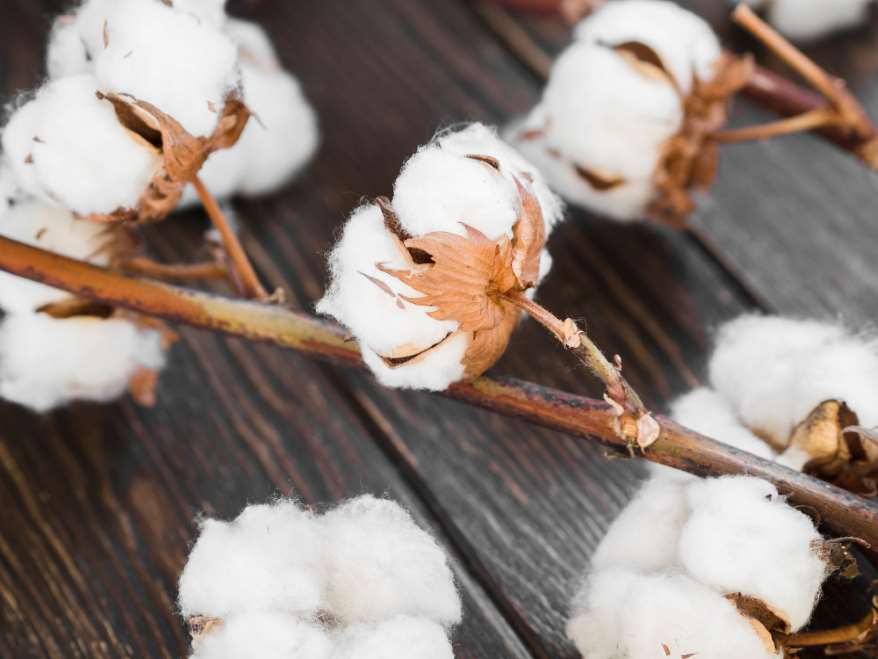
Tetraploid cottons (Gossypium hirsutum, barbadense) produce superior spinnable fibers, powering most global textiles. Stronger, finer, durable fibers outperform ancestors, boosting quality, productivity, and clothing performance—illustrating Evolution of spinnable cotton fibres.
Genomic Advances Driving Quality, Resilience, and Industrial Applications
Gossypium genomic research enables commercialization through fiber quality enhancement (QTL hotspots, CESA genes), wild trait integration (stress resistance, drought tolerance), molecular breeding platforms, and non-textile uses (oilseed, biofuels). Consequently, elite G. hirsutum varieties improve yield, resilience, and adaptability, targeting 80% of global natural fibers while expanding ecological range and industrial applications, illustrating the Evolution of spinnable cotton fibres.
Prospective research
For students looking toward the future, this research highlights several burgeoning fields:
- Plant Genomics and Bioinformatics: First, advanced computational expertise is essential. Next, researchers study 30–36-fold ancestral gene duplications. Additionally, these analyses address non-reciprocal DNA exchanges. Finally, this combination enables deeper insights into genome evolution, illustrating the Evolution of spinnable cotton fibres.
- Evolutionary Biology: First, researchers study polyploidy. Next, they examine how “genomic shocks” occur. Consequently, these shocks lead to new species. Finally, they also produce novel traits, illustrating the Evolution of spinnable cotton fibres.
- Agricultural Biotechnology: Specifically focusing on Quantitative Trait Loci (QTL) to dissect how clusters of genes affect fiber quality and yield, illustrating the Evolution of spinnable cotton fibres.
Conclusion
First, polyploidization in Gossypium genomes forged spinnable cotton fibers. Specifically, it transformed diploids into elite tetraploids like G. hirsutum. Moreover, genomic shocks unlocked superior fiber, productivity, and adaptability—ultimately powering 80% of textiles. Additionally, QTLs and CESA genes fuel breeding efforts.
FAQs
What caused spinnable cotton fibers to evolve?
Repeated polyploidization in Gossypium genomes created tetraploid species like G. hirsutum, unlocking superior fiber quality through genomic shocks.
How did polyploidy transform cotton ancestors?
Diploid ancestors evolved into elite tetraploids with stronger, finer, more productive fibers powering 80% of global textiles.
What key innovations emerged from this process?
QTL hotspots, CESA genes, and wild trait integration now enable molecular breeding for resilient cotton and non-textile uses like biofuels.
Additionally, to stay updated with the latest developments in STEM research, visit ENTECH Online. Basically, this is our digital magazine for science, technology, engineering, and mathematics. Also, at ENTECH Online, you’ll find a wealth of information.
Reference
Paterson, A. H., Wendel, J. F., Gundlach, H., Guo, H., Jenkins, J., Jin, D., Llewellyn, D., Showmaker, K. C., Shu, S., Udall, J., Yoo, M., Byers, R., Chen, W., Doron-Faigenboim, A., Duke, M. V., Gong, L., Grimwood, J., Grover, C., Grupp, K., . . . Schmutz, J. (2012). Repeated polyploidization of Gossypium genomes and the evolution of spinnable cotton fibres. Nature, 492(7429), 423–427. https://doi.org/10.1038/nature11798
- Author
- Latest Posts

I completed my Master of Science from the University of Allahabad in 2017 with a strong academic background in life sciences and chemistry. My specialization included Molecular Biology, Microbiology, Genetics, Plant Breeding, Phycology, Paleobotany, and Bioinformatics, along with Organic Chemistry, Inorganic Chemistry, and Physical Chemistry. This multidisciplinary training provided me with a comprehensive understanding of biological systems and analytical scientific approaches.
After completing my postgraduate studies, I gained valuable professional experience in both the education and social development sectors. I worked at A.M. Oxford Public School, where I was actively involved in guiding students toward academic excellence. In this role, I focused on creating an engaging learning environment, encouraging critical thinking, and nurturing students’ curiosity for scientific learning. My experience as an educator strengthened my communication, mentoring, and classroom management skills.
In addition to my teaching experience, I worked with Jeevan Jagriti Foundation, where I contributed to community-based initiatives aimed at improving educational access and awareness among underprivileged sections of society. Through this work, I participated in programs designed to support social development and promote the value of education in marginalized communities.
These professional experiences helped me develop strong interpersonal, leadership, and organizational skills while reinforcing my commitment to education and community service.