Fundamentals of Drug metabolism changes drugs in the body. It makes them easier to remove. Above all, this process keeps drug levels safe. T
Fundamentals of Drug Metabolism: Factors Affecting Drug Clearance and Efficacy
Drug metabolism changes drugs in the body. It makes them easier to remove. Above all, this process keeps drug levels safe. The liver does most of this work. Enzymes break down drugs into parts. As a result, drugs lose power or gain it. To explain, some drugs turn active after change. Others become waste fast. What’s more, metabolism affects how long drugs last. Doctors use this knowledge to set doses right. At the present time, studies show links to side effects. All in all, understanding metabolism aids safe use. In this article, we will understand the fundamentals of drug metabolism.
Key Takeaways
- Definition: Drug metabolism is the process by which the body chemically alters drugs to facilitate elimination.
- Primary Organs: The liver is the main organ where drug metabolism occurs, with contributions from kidneys, lungs, and intestines.
- Phase I Reactions: These reactions (oxidation, reduction, hydrolysis) modify drugs to introduce reactive groups.
- Phase II Reactions: Conjugation reactions attach molecules like glucuronide or sulfate to increase drug solubility for excretion.
- Factors Affecting Metabolism: Age, genetics, disease, and drug interactions can speed up or slow down metabolism.
What Is Drug Metabolism?
Drug metabolism turns drugs into other forms. The body does this to clear them. Prior to full action, drugs pass through this step. To enumerate, it involves chemical changes. Enzymes speed up these reactions. As has been noted, this makes drugs water-soluble. After that, kidneys flush them out. To illustrate, lipophilic drugs enter easy but stay long. Metabolism fixes that issue. Seeing that, it prevents buildup. At any rate, not all changes inactivate drugs. Some create active forms. To put it another way, prodrugs need metabolism to work. Balanced against risks, this process has benefits too.
Why Does It Happen?
The body needs to remove foreign items. Drugs count as foreign. Metabolism starts right after entry. It happens in steps called phases. Phase I adds groups to drugs. This makes them ready for phase II. Phase II attaches big parts. As a result, drugs exit faster. To repeat, this protects organs from harm.
Where Does It Take Place?
The liver holds main enzymes. Blood flows from gut to liver first. This catches oral drugs early. Other spots include kidneys and lungs. Intestines help too. Skin and brain play small roles. All things considered, liver leads the way. Factors like blood flow matter here.
How Fast Does It Go?
Speed varies by drug type. Enzymes decide the rate. Some drugs metabolize quick. Others linger hours. Age and health change this. To sum up, tests measure half-life. This shows time to half amount.
Enzymes: Fundamentals of Drug Metabolism
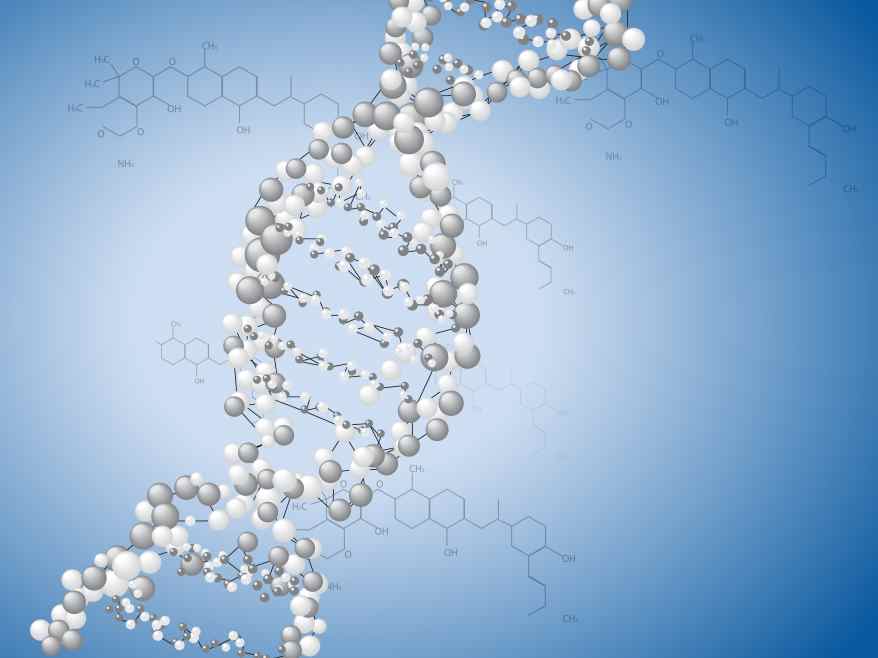
Enzymes drive drug changes. Cytochrome P450 leads the pack. It handles many drugs. Above all, it oxidizes them. To explain, it adds oxygen atoms. This starts phase I. Other enzymes follow in phase II. Glucuronosyltransferases add sugar groups. Sulfotransferases use sulfur. Each targets specific drugs. As well as that, they work in teams. What’s more, genes control their levels. Mutations alter speed. At this point, tests check enzyme types. This predicts responses. After all, knowing enzymes avoids bad mixes.
Cytochrome P450 Family
P450 enzymes live in liver cells. They break carbon-hydrogen bonds. This makes drugs polar. To illustrate, CYP3A4 processes half of drugs. It acts on statins and antibiotics. Seeing that, blockers slow it down. Inducers speed it up. Balanced against that, balance keeps drugs steady.
Phase II Enzymes
These add groups to phase I products. UDP-glucuronosyltransferases top the list. They link to glucuronic acid. This boosts water pull. Sulfotransferases add sulfate. They handle steroids well. Acetyltransferases modify amines. Each has broad or narrow roles. To point out, they clear toxins too.
Other Important Ones
Flavin monooxygenases handle sulfur drugs. Alcohol dehydrogenases process ethanol. Esterases break ester links. These fill gaps in main paths. So long as drugs fit, they act. At length, variety covers most cases.
How They Interact
Enzymes team up for full breakdown. One starts, another finishes. Competition slows some. To put it differently, high doses saturate spots. This changes rates. With this in mind, watch multiple drugs.
Phases of Drug Metabolism
Metabolism splits into two phases. Phase I prepares drugs. It unmasks sites. Phase II hides them better. Together, they make drugs harmless. Prior to phase II, phase I alters structure. To enumerate, oxidation leads phase I. Reduction and hydrolysis follow. Phase II conjugates big molecules. As a result, drugs dissolve in water. To illustrate, acetaminophen goes through both. This clears it safe. What’s more, skips happen sometimes. Direct phase II occurs. At any rate, order matters for speed.
Phase I Reactions
These add or expose groups. Oxidation uses oxygen. It happens via P450. Reduction removes oxygen. It aids in low air spots. Hydrolysis splits bonds with water. Esterases do this fast. To explain, these make drugs reactive first.
Oxidation Details
P450 adds hydroxyl groups. This turns fats to alcohols. Dealkylation strips alkyl parts. It exposes amines. Seeing that, many drugs lose potency here. Balanced against benefits, it aids clearance.
Reduction and Hydrolysis
Nitro groups turn to amines in reduction. Azo links break too. Hydrolysis targets amides and esters. Amidases and esterases lead. These speed up for prodrugs. To sum up, they vary by drug class.
Phase II Conjugations
Glucuronidation adds sugar acid. It handles phenols well. Sulfation uses sulfate donors. It limits to small groups. Methylation tweaks small drugs. Acetylation modifies amines. Glutathione binds toxins. Each boosts exit paths.
Factors Affecting Metabolism
Many things change metabolism speed. Genetics top the list. Some people lack enzymes. Age slows it in elders. Liver disease cuts capacity. Drugs interact often. One induces enzymes. Another inhibits them. Food and smoke play roles too. To illustrate, grapefruit blocks CYP3A4. This raises drug levels. What’s more, sex differs slightly. Women metabolize some faster. At the present time, tests predict issues. All in all, factors guide dosing.
Genetic Influences
Genes code for enzymes. Variants cause poor metabolizers. CYP2D6 has many types. Asians often lack it. This builds drug levels. To point out, tests screen for risks. Personalized plans follow.
Age and Health Effects
Babies have weak enzymes. They grow stronger. Elders lose liver mass. Disease like cirrhosis slows all. Kidney issues back up waste. So far, adjust doses for these.
Drug Interactions
Inducers like rifampin boost enzymes. Inhibitors like ketoconazole block. This changes other drug effects. To rephrase it, mixes cause surprises. Check lists always.
Lifestyle Factors
Smoking induces P450. Diet adds inhibitors. Alcohol mixes bad. Exercise may speed some. While this may be true, balance helps.
Role in Drug Design
Metabolism shapes new drugs. Makers aim for right speed. Too fast wastes dose. Too slow builds toxins. Tests early spot issues. Prodrugs use metabolism to activate. To explain, this targets sites. Pharmacokinetics guides trials. ADME studies predict human use. As an illustration, animal tests lead. Human data confirms. What’s more, software models paths. At last, safe drugs reach patients.
Early Screening Methods
Labs use liver slices. They mimic real action. Cell lines test enzymes. Animals show whole body. To enumerate, these cut failures.
Predicting Human Response
Models use data sets. They forecast clearance. Genetic info refines guesses. Balanced against costs, it saves time.
Designing Better Drugs
Add groups to slow breakdown. Block bad sites. Aim for oral ease. So as to work, match patient needs.
Future in Design
Gene editing may fix lacks. AI spots patterns fast. New enzymes expand options. To that end, progress aids all.
Conclusion
Drug metabolism is the body’s sophisticated internal chemistry lab, primarily managed by the liver to ensure that medications don’t overstay their welcome. By transforming substances into more water-soluble forms, the body can effectively clear them out before they reach toxic levels.
FAQs
What is drug metabolism?
Drug metabolism is the body’s process of chemically modifying drugs to prepare them for elimination.
Where does drug metabolism mainly occur?
The liver is the primary site, with minor contributions from kidneys, lungs, and intestines.
Why are Phase I and Phase II reactions important?
Phase I introduces reactive groups, and Phase II makes drugs more water-soluble for excretion.
Additionally, to stay updated with the latest developments in STEM research, visit ENTECH Online
Reference
Zhang, Z., & Tang, W. (2018). Drug metabolism in drug discovery and development. Acta Pharmaceutica Sinica B, 8(5), 721–732. https://doi.org/10.1016/j.apsb.2018.04.003
Disclaimer: We do not intend this article/blog post to provide professional, technical, or medical advice. Therefore, please consult a healthcare professional before making any changes to your diet or lifestyle. In fact, we use AI-generated images for illustration and decoration. Their accuracy, quality, and appropriateness can differ. So, users should avoid making decisions or assumptions based only on the text and images.
- Author
- Latest Posts

I completed my Master of Science from the University of Allahabad in 2017 with a strong academic background in life sciences and chemistry. My specialization included Molecular Biology, Microbiology, Genetics, Plant Breeding, Phycology, Paleobotany, and Bioinformatics, along with Organic Chemistry, Inorganic Chemistry, and Physical Chemistry. This multidisciplinary training provided me with a comprehensive understanding of biological systems and analytical scientific approaches.
After completing my postgraduate studies, I gained valuable professional experience in both the education and social development sectors. I worked at A.M. Oxford Public School, where I was actively involved in guiding students toward academic excellence. In this role, I focused on creating an engaging learning environment, encouraging critical thinking, and nurturing students’ curiosity for scientific learning. My experience as an educator strengthened my communication, mentoring, and classroom management skills.
In addition to my teaching experience, I worked with Jeevan Jagriti Foundation, where I contributed to community-based initiatives aimed at improving educational access and awareness among underprivileged sections of society. Through this work, I participated in programs designed to support social development and promote the value of education in marginalized communities.
These professional experiences helped me develop strong interpersonal, leadership, and organizational skills while reinforcing my commitment to education and community service.