Recent research shows antibiotics trigger gut molecules in Bacteroides dorei, producing potent new compounds that could advance health and medicine.
Antibiotics Trigger Gut Molecules in Bacteroides dorei
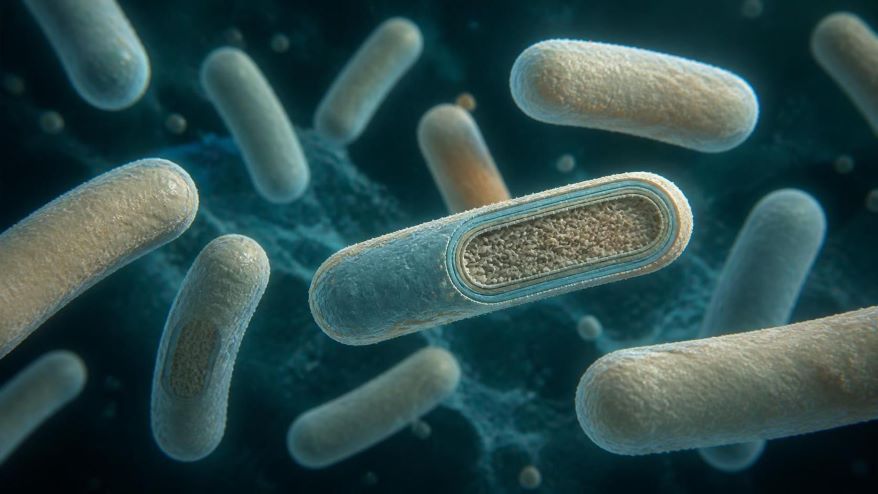
We have long known that antibiotics kill bacteria. However, what happens to the bacteria that survive? A new study in ACS Central Science reveals an important connection. Specifically, the researchers found that some common antibiotics can trigger gut microbes to produce molecules that promote inflammation. Importantly, this process does not involve bacterial resistance. Instead, it involves a direct chemical response within the gut microbiome. To investigate this process, researchers focused on Bacteroides dorei, a common gut microorganism. When tetracycline enters the gut, B. dorei responds by changing its metabolism. As a result, the microbe produces compounds that can interfere with immune-cell signalling. Furthermore, these compounds may contribute to inflammatory responses in the gut.th.
Key Takeaways
- Tetracycline antibiotics can induce B. dorei to produce inflammatory metabolites.
- This happens specifically inside the gut microbiome, not just in resistant bacteria.
- The resulting molecules block a key immune receptor, causing inflammation.
- This discovery explains a new mechanism for drug-induced gut issues.
- It highlights a need for caution with broad-spectrum therapy
The Unexpected Role of Bacteroides dorei in Drug Side Effects
Bacteroides dorei is an important member of the gut microbiome. First, it helps digest dietary fibre and supports a balanced immune response. However, what happens when you take medication? Interestingly, this bacterium has a unique ability to sense changes in its environment. For example, when you take tetracycline, the drug creates stress for the microbe. Instead of dying, however, the bacterium responds by changing its behaviour. As a result, it produces drug-induced gut compounds that may disrupt the normal gut environment. Therefore, this response shows how medications can influence not only microbes but also the chemical environment of the gut.
How Tetracycline Induces the Biosynthesis of Pro-Inflammatory Metabolites
The process involves a specific chain of chemical events. First, tetracycline enters the gut after it is taken. Next, Bacteroides dorei absorbs the drug. In response, the bacterium activates a specific set of genes. These genes, in turn, encode enzymes that chemically modify tetracycline. This process is known as “tetracycline-induced biosynthesis.” Then, the microbe adds a sugar molecule to the drug. As a result, the original drug is transformed into a completely new molecule. Furthermore, this newly formed compound is described as a pro-inflammatory metabolite from antibiotics. Therefore, the process demonstrates how a gut microbe can chemically alter a medication and produce a different compound.
The data shows high levels of a specific compound. This compound is a glycosylated tetracycline. It builds up in the gut. High levels of this compound cause a cytokine storm. Cytokines are signalling proteins. They call for more inflammation. So, the very drug meant to stop infection now triggers inflammation. This is a clear example of how antibiotics trigger gut molecules with unintended consequences.
The Molecular Mechanism: Blocking the Aryl Hydrocarbon Receptor (AhR) Pathway
At the molecular level, the process becomes clearer. First, the aryl hydrocarbon receptor (AhR) acts like a traffic cop by helping regulate immune-cell activity. Normally, AhR signalling can support a balanced immune response in the gut. However, the new metabolite can interfere with this process. Specifically, it binds to AhR but does not activate the receptor. Instead, it acts as an antagonist, meaning that it blocks or reduces the receptor’s normal activity. Therefore, the tetracycline-induced gut compounds can interfere with AhR signalling. As a result, this blocking effect can reduce the production of the cytokine IL-22. Importantly, IL-22 plays a key role in maintaining and repairing the intestinal barrier. Without sufficient IL-22 signalling, the gut lining may become more vulnerable, while normal immune regulation can also be disturbed. For example, imagine AhR as a traffic-control system that helps keep immune activity organised.
Implications for Inflammatory Bowel Disease and Crohn’s Disease
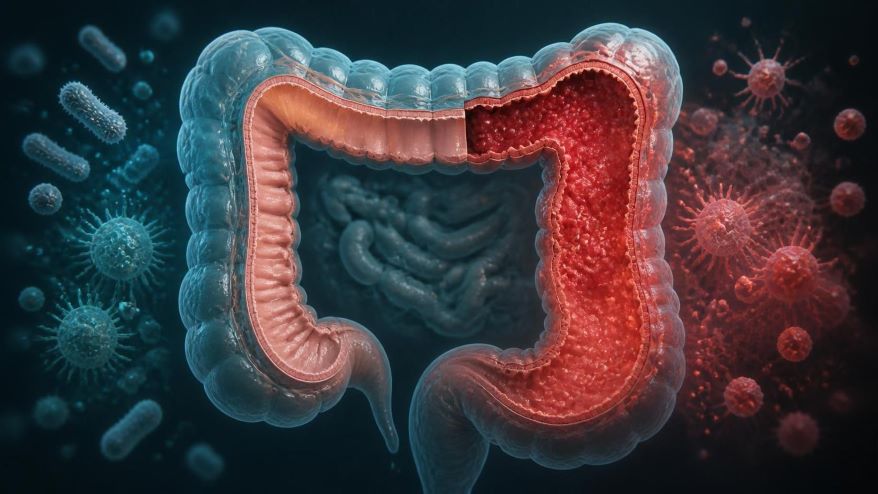
The connection between gut microbial metabolism and chronic inflammatory conditions is important. In particular, the production of pro-inflammatory metabolites through microbial biosynthesis may contribute to changes in gut inflammation. For example, conditions such as Crohn’s disease and colitis involve abnormal immune responses to the gut environment. Therefore, this research provides a possible explanation for how certain antibiotic-related microbial changes could influence inflammation.
First, antibiotics may contribute to inflammatory flare-ups in some people with inflammatory bowel disease (IBD). Traditionally, researchers have focused on the loss of beneficial gut bacteria after antibiotic treatment. However, this study suggests that another mechanism may also be involved. Specifically, surviving bacteria such as B. dorei may chemically modify an antibiotic and produce new metabolites. As a result, the effects of antibiotics may involve not only changes in bacterial populations but also the production of biologically active molecules.
Second, these findings may point toward new therapeutic targets. For instance, if researchers can identify and inhibit the microbial enzyme responsible for modifying tetracycline, they may be able to reduce the formation of potentially harmful metabolites. Consequently, this approach could potentially preserve the antibiotic’s intended activity while reducing unwanted effects on gut signalling. In addition, such strategies could contribute to more precise approaches to managing antibiotic-related side effects. Nevertheless, further research is needed to determine whether this approach is safe and effective in patients.
Frequently Asked Questions
Does this happen with all antibiotics?
No. The study specifically looked at tetracycline. It shows a unique pathway for this drug class. Other antibiotics may cause different problems. But the principle that antibiotics trigger gut molecules is likely universal. More research is needed on other drugs.
Is Bacteroides dorei a bad bacteria?
Not usually. Bacteroides dorei normally forms part of a healthy gut microbiome. However, tetracycline changes its behavior. When the drug is absent, the bacterium can support normal gut functions. When tetracycline enters the gut, it creates stress that triggers a different response. As a result, B. dorei produces the drug-induced gut compounds only when tetracycline exposes it to this stress.
Can you prevent this reaction?
Researchers are still investigating this question. First, eating a fiber-rich diet may help support a healthy gut. For example, dietary fiber feeds beneficial gut bacteria and helps maintain the intestinal lining. In addition, probiotics may provide support after antibiotic treatment.
Reference
- Han, E. J., Ganley, J. G., Winner, C. B., An, J. S., & Seyedsayamdost, M. R. (2025). Tetracycline Antibiotics Induce Biosynthesis of Pro-Inflammatory Metabolites in the Immunobiotic Bacteroides dorei. ACS Central Science. https://doi.org/10.1021/acscentsci.5c00969
Disclaimer: We do not intend this article/blog post to provide professional, technical, or medical advice. Therefore, please consult a healthcare professional before making any changes to your diet or lifestyle. In fact, we only use AI-generated images for illustration and decoration. Their accuracy, quality, and appropriateness can differ. So, users should avoid making decisions or assumptions based only on the text and images.
- Author
- Latest Posts

Ashwini Kshirsagar holds a graduate degree in Chemistry and a postgraduate degree in Environmental Science from Shivaji University, Kolhapur. With a strong foundation in scientific principles and a creative flair, she blends her expertise in environmental science with skills in technical writing, graphic design, and video editing. Proficient in Adobe software, Ashwini excels at transforming complex scientific concepts into clear, engaging, and visually compelling content. Her unique ability to merge science and storytelling allows her to create impactful communication materials that are both informative and accessible to a wide audience.
- Author
- Latest Posts

I completed my Master of Science from the University of Allahabad in 2017 with a strong academic background in life sciences and chemistry. My specialization included Molecular Biology, Microbiology, Genetics, Plant Breeding, Phycology, Paleobotany, and Bioinformatics, along with Organic Chemistry, Inorganic Chemistry, and Physical Chemistry. This multidisciplinary training provided me with a comprehensive understanding of biological systems and analytical scientific approaches.
After completing my postgraduate studies, I gained valuable professional experience in both the education and social development sectors. I worked at A.M. Oxford Public School, where I was actively involved in guiding students toward academic excellence. In this role, I focused on creating an engaging learning environment, encouraging critical thinking, and nurturing students’ curiosity for scientific learning. My experience as an educator strengthened my communication, mentoring, and classroom management skills.
In addition to my teaching experience, I worked with Jeevan Jagriti Foundation, where I contributed to community-based initiatives aimed at improving educational access and awareness among underprivileged sections of society. Through this work, I participated in programs designed to support social development and promote the value of education in marginalized communities.
These professional experiences helped me develop strong interpersonal, leadership, and organizational skills while reinforcing my commitment to education and community service.