Stress affects the endocrine system greatly. When a person is stressed, the body releases cortisol which..
Endocrine System: Understanding Hormones and Body Control
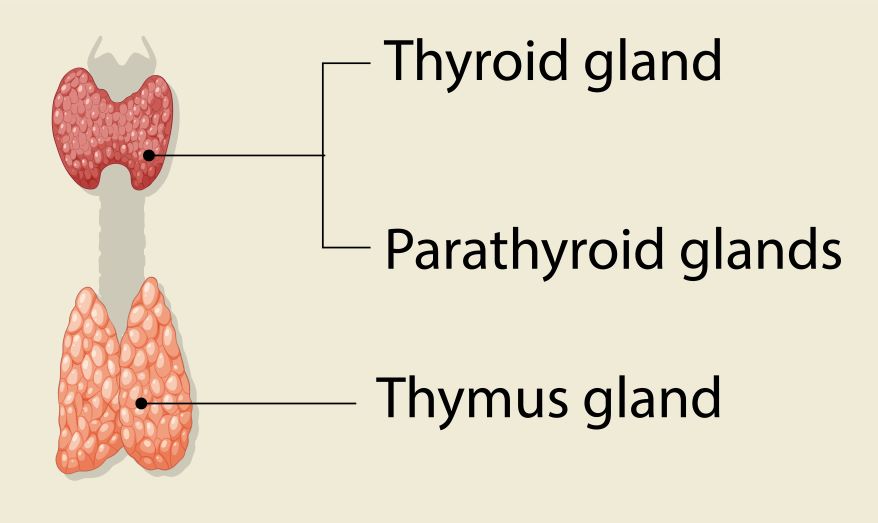
Estimated reading time: 7 minutes
Your body sends constant messages throughout the day to coordinate its many activities. Most importantly, tiny chemical messengers called hormones carry many of these signals. Together, the glands that produce and release these hormones form the endocrine system, which plays an essential role in regulating growth, energy use, sleep, mood, digestion, and other body functions. Although many people think of nerves when they hear the word “signals”, the endocrine system provides another important method of communication. Specifically, endocrine glands release hormones directly into the bloodstream, allowing these chemical messengers to travel to organs and tissues throughout the body.
Key Takeaways
- The endocrine system uses glands, hormones, and receptors to manage body functions.
- Hormones act as chemical messengers that travel through the blood.
- Major glands include the thyroid, adrenals, pancreas, and gonads.
- Negative feedback keeps hormone levels steady.
- Common disorders range from diabetes to thyroid disease
What Is the Endocrine System?
The endocrine system is a complex network of glands and hormones that helps regulate many important functions throughout the body. Interestingly, scientists have identified endocrine systems in mammals, birds, fish, and many other species. In general, this system consists of three major components. First, endocrine glands are located throughout the body. Second, these glands produce and release chemical messengers called hormones. Third, specialised receptors on target cells recognise and respond to specific hormones.
After hormones are released, they enter the bloodstream or the fluid surrounding cells. As a result, they can travel to different parts of the body. However, not every cell responds to every hormone. Instead, only specific target cells respond because they contain receptors that match the particular hormone. Therefore, this receptor–hormone interaction allows the endocrine system to regulate body processes precisely.
Endocrine System vs Nervous System
Both the nervous system and the endocrine system communicate continuously throughout the body. First, the nervous system responds very quickly because it uses electrical signals that travel along nerve fibres. As a result, these signals can reach their destinations within fractions of a second. In contrast, the endocrine system generally responds more slowly because it uses chemical signals, known as hormones, that travel through the bloodstream. Consequently, endocrine signals may take seconds, minutes, or even longer to produce their effects.
Furthermore, the two systems differ in the way they distribute their signals. For example, nerve signals usually target specific cells or regions, whereas hormones can travel through the bloodstream and affect multiple target organs. However, these communication systems do not function independently. Instead, they work closely together to coordinate many body processes. In particular, the hypothalamus, a small region of the brain, provides an important connection between the nervous and endocrine systems. Through this connection, the hypothalamus helps regulate the release of several hormones.
The Master Gland: Hypothalamus & Pituitary
The pituitary gland is often called the “master gland” because it regulates the activity of several other endocrine glands. However, the hypothalamus, located just above the pituitary gland in the brain, plays an equally important role. In fact, the hypothalamus serves as a major link between the nervous system and endocrine system. First, it monitors the body’s internal conditions and responds to changing needs. Then, it sends regulatory signals to the pituitary gland, helping control the release of various hormones.
The Major Glands of the Endocrine System
Thyroid & Parathyroid Glands
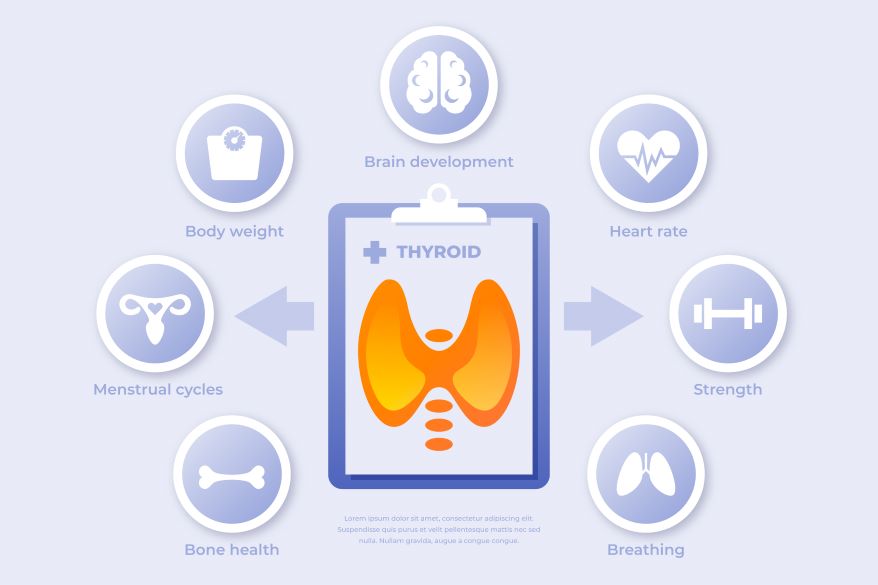
The thyroid gland is located at the front of the neck and plays an important role in regulating several essential body functions. First, it produces two major hormones called thyroxine (T4) and triiodothyronine (T3), which are released into the bloodstream. Once released, these hormones act on cells throughout the body and influence growth, development, reproduction, and metabolism. In particular, thyroid hormones help regulate the body’s rate of energy use. Therefore, the thyroid gland plays an important role in setting the body’s metabolic pace.
Adrenal Glands
Two adrenal glands are located on top of the kidneys, and each gland consists of two distinct regions: the outer adrenal cortex and the inner adrenal medulla. First, these two regions differ in their structure and the hormones they produce. In particular, the adrenal glands release hormones that help the body respond to stress and regulate several essential functions. Furthermore, these hormones help maintain blood pressure, glucose metabolism, and salt and water balance. As a result, the adrenal glands play an important role in maintaining normal cardiovascular and nervous-system function.
The Pancreas in the Endocrine System
Most people recognise the pancreas for its important role in digestion. However, this organ also functions as an endocrine gland and plays a major role in regulating blood glucose. Within the pancreas, specialised groups of cells called the islets of Langerhans produce and release important hormones, including insulin and glucagon. Interestingly, these two hormones generally have opposite effects. Together, they help maintain stable blood glucose levels and ensure that cells receive a reliable supply of energy.
How the Endocrine System Regulates Itself
Negative Feedback in the Endocrine System
The body continuously works to maintain stable internal conditions. To achieve this balance, it keeps hormone levels within an appropriate range through several regulatory mechanisms. Among these mechanisms, negative feedback is one of the most important. First, an endocrine gland releases a hormone that produces a specific change in the body. As the hormone level or its effect increases, specialised sensors detect the change. Then, these signals reach the brain or the relevant endocrine gland and indicate that hormone production should decrease. Consequently, hormone output is reduced, helping prevent excessive changes. In this way, the cycle continues and maintains a relatively stable internal environment.
For example, negative feedback can be compared with a household thermostat. Initially, the furnace increases the room temperature until it reaches the desired set point. Once the target temperature is reached, the furnace switches off or reduces its activity. As a result, the temperature remains within a relatively narrow range. Similarly, endocrine systems use negative feedback to prevent hormone levels from becoming excessively high or low.
Frequently Asked Questions (FAQs)
What is the basics of endocrine system?
The endocrine system is a group of glands. These glands make hormones and send them out. The hormones control many body jobs for example using food for energy, growing, feeling emotions, and having energy.
How does the endocrine system affect energy and mood?
Hormones from the endocrine system, like cortisol, thyroid hormones, and insulin, help control energy, stress, and feelings. Otherwise, imbalances can lead to fatigue and mood swings.
What are common signs of endocrine system imbalances?
Common signs include always feeling tired, mood changes, unexplained weight gain or loss, appetite shifts, sleep problems, and trouble focusing.
Which glands are most involved in regulating energy and mood?
The thyroid gland controls metabolism. The adrenal glands make stress hormones like cortisol. And the pancreas keeps blood sugar levels steady with insulin.
Can lifestyle changes improve endocrine health?
Yes, eat balanced meals, exercise often, sleep enough, and handle stress well. This keeps hormone levels healthy and helps your endocrine system work better.
When should I see a doctor about fatigue and mood issues?
If you feel tired all the time and your mood changes ruin your daily life, see a doctor. They can check for hormone problems or other health issues.
How are endocrine disorders diagnosed?
Diagnosis typically involves a combination of medical history review, physical examination, and blood tests to measure hormone levels.
Can endocrine disorders be treated?
Doctors can treat many hormone problems with medicine, changes to daily habits, and surgery in some cases. It depends on the exact issue.
References
- Mullur, R., Liu, Y. Y., & Brent, G. A. (2014). Thyroid hormone regulation of metabolism. Physiological Reviews, 94(2), 355-382. https://doi.org/10.1152/physrev.00030.2013
- Tsigos C, Kyrou I, Kassi E, et al. Stress: Endocrine Physiology and Pathophysiology. [Updated 2020 Oct 17]. In: Feingold KR, Ahmed SF, Anawalt B, et al., editors. Endotext [Internet]. South Dartmouth (MA): MDText.com, Inc.; 2000-. https://www.ncbi.nlm.nih.gov/books/NBK278995/
- Fazal, S., Vattathara, J.J. & López, M. Hypothalamic wars: the last nanodelivery. Rev Endocr Metab Disord 27, 705–729 (2026). https://doi.org/10.1007/s11154-026-10022-z
- Author
- Latest Posts

I am a Master’s qualified in Science with focus on Zoology and Entomology and am a passionate, curiosity-driven science enthusiast aiming to transform complex scientific ideas in a manner that are easy to understand hence, educate, and inspire.
I have an experience of working on the projects in the field of Entomology which has provided me hands-on experience with various research techniques. Besides, I have also gained experience of lab work as well as developed communication skills during the course of my bachelors and masters.
With a strong foundation in life sciences and a growing interest in Medical and Biological research, I have cultivated a writing style that merges scientific facts with creativity.
My experience in teaching has also taught me to develop an understanding of what are the interests of people and how to communicate them effectively.
I am committed to lifelong learning, actively engaging in Interdisciplinary learning, so as to broaden my perspective.
- Author
- Latest Posts

I completed my Master of Science from the University of Allahabad in 2017 with a strong academic background in life sciences and chemistry. My specialization included Molecular Biology, Microbiology, Genetics, Plant Breeding, Phycology, Paleobotany, and Bioinformatics, along with Organic Chemistry, Inorganic Chemistry, and Physical Chemistry. This multidisciplinary training provided me with a comprehensive understanding of biological systems and analytical scientific approaches.
After completing my postgraduate studies, I gained valuable professional experience in both the education and social development sectors. I worked at A.M. Oxford Public School, where I was actively involved in guiding students toward academic excellence. In this role, I focused on creating an engaging learning environment, encouraging critical thinking, and nurturing students’ curiosity for scientific learning. My experience as an educator strengthened my communication, mentoring, and classroom management skills.
In addition to my teaching experience, I worked with Jeevan Jagriti Foundation, where I contributed to community-based initiatives aimed at improving educational access and awareness among underprivileged sections of society. Through this work, I participated in programs designed to support social development and promote the value of education in marginalized communities.
These professional experiences helped me develop strong interpersonal, leadership, and organizational skills while reinforcing my commitment to education and community service.