The world needs more clean electricity, and it needs it fast. That is why the Nuclear Renaissance is in the spotlight, with supporters calling it a practical climate solution and critics warning about long-term risk.
Our global population needs clean electricity every single second. Solar panels and wind turbines generate valuable renewable energy. However, weather patterns change constantly throughout the day. The electrical grid requires continuous baseload power to stay stable. At the present time, fossil fuels still produce most of our baseline electricity. This reality brings us directly to The Big Question. Can we solve our global climate crisis without nuclear power? Today, scientists discuss a potential Nuclear Renaissance. We must evaluate if splitting the atom is our best tool for a zero-carbon planet.
The Promise of a Nuclear Renaissance
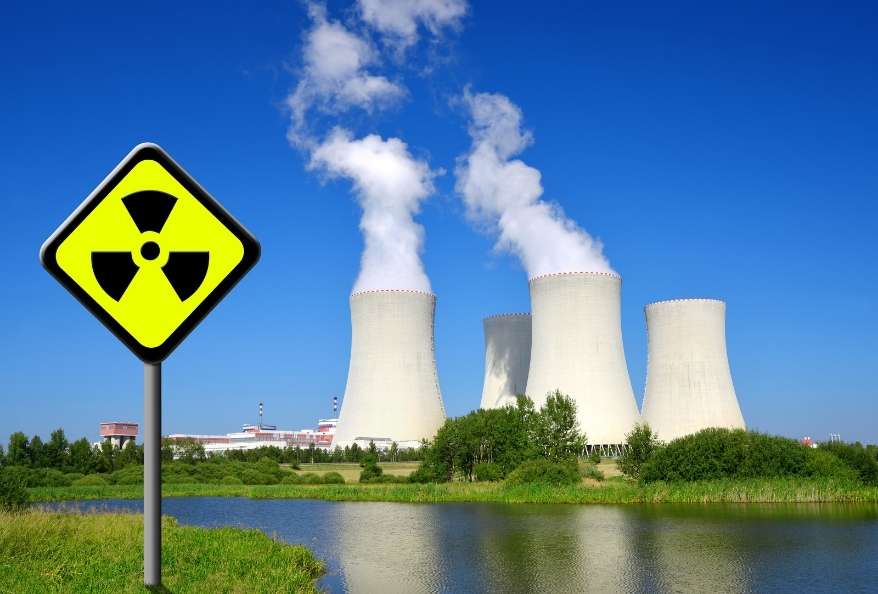
Fig. 1: Clean Energy – Nuclear Cooling Towers
At first, look at the immense energy density of nuclear fission. A single uranium fuel pellet creates as much energy as one ton of coal. To illustrate, nuclear power plants run at a ninety percent capacity factor. This metric makes nuclear power the most reliable clean energy source on Earth.
Prior to modern engineering designs, older reactors required active human control during emergencies. In contrast, new Small Modular Reactors use passive safety systems. These advanced systems shut down automatically without electricity or human intervention. To point out, nuclear plants produce zero direct greenhouse gas emissions during operation. In order to stop global warming, nuclear energy offers an unmatched physical advantage. As a matter of fact, nuclear engineering provides steady power regardless of local weather conditions. To list, one facility can power an entire metropolitan city on a tiny land footprint.
Technical Innovations Powering the Nuclear Renaissance
In reality, advanced engineering transforms modern reactor design. To explain, engineers now build molten salt reactors and coolant-free systems. These advanced facilities reduce the risk of core meltdowns to near zero. Also, factory-built SMRs lower initial construction costs significantly. Together with smart grid integration, small reactors supply electricity to remote communities efficiently. As an illustration, nuclear reactors can also produce clean hydrogen for heavy industry. Seeing that technology evolves quickly, safety metrics continue to improve across the nuclear sector. In essence, these designs redefine how we generate high-output electrical power.
Long-Term Risks and Technical Challenges in Nuclear Energy
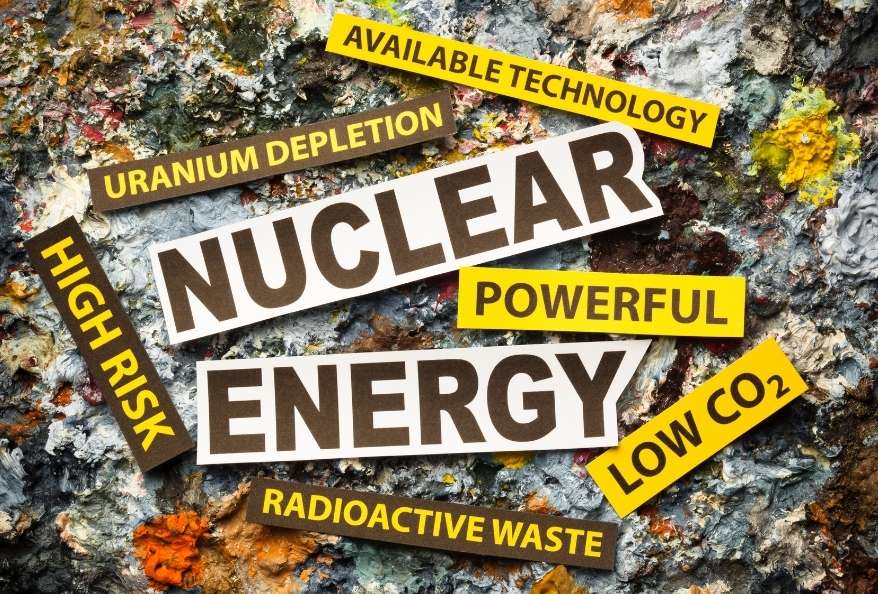
Fig. 2: Risks – Nuclear Energy
Then again, critical technical challenges still demand our attention. The primary concern remains High-Level Radioactive Waste. To explain, spent nuclear fuel stays hazardous for thousands of years. While this may be true, engineers build deep geological repositories to store waste safely. At length, finding political agreement for these storage sites proves difficult.
Another key point is the high upfront capital cost. Building a full-scale nuclear power plant costs too much. Balanced against cheaper alternatives like solar energy, nuclear energy projects take much longer to complete. In light of this, some economists argue that renewables offer a faster return on investment. Basically, financial risks can delay energy transformation plans. In short, managing radioactive materials requires long-term responsibility and strict regulatory oversight.
Finding Balance in the Energy Transition
All things considered, the path forward requires strategic energy planning. Is it wise to choose between nuclear energy and renewables? To that end, a hybrid energy grid offers a practical compromise. Nuclear reactors supply steady baseload electricity. Simultaneously, solar panels and wind farms handle peak demand periods.
To put it differently, nuclear power acts as a supportive backbone for renewable energy. Similarly, advanced battery storage systems complement this balanced approach. With this purpose in mind, combining diverse technologies accelerates our transition away from fossil fuels. As a result, energy grids become both resilient and environmentally friendly.
The Final Choice
Nuclear energy is an extraordinary source of power that requires extraordinary human responsibility.
~ Alvin Weinberg
In conclusion, energy policy defines the future of human civilization. Can we build a zero-carbon world using only renewable sources? Or does the Nuclear Renaissance provide the necessary foundation for clean power? All in all, young minds must analyze the evidence with sharp critical thinking. The future of our planet depends on the choices we make today.
References:
Agency, I. a. E. (2024). Nuclear Energy for Net Zero: Accelerating investment in clean energy transitions. In International Atomic Energy Agency eBooks. https://doi.org/10.61092/iaea.z743-u8x2
Haggam, R. A., Jayabal, R., S, S., Ayyar, M., Soudagar, M. E. M., M, S., Rajendran, S., D, S., & Sivanraju, R. (2026). Advanced nuclear energy pathways for a Net‐Zero world: fuel cycles, reactors, and policy readiness. Global Challenges, 10(5), e70110. https://doi.org/10.1002/gch2.70110
Price, J., Keppo, I., & Dodds, P. E. (2022). The role of new nuclear power in the UK’s net-zero emissions energy system. Energy, 262, 125450. https://doi.org/10.1016/j.energy.2022.125450
This article was written by Sadaf Lone and reviewed for editorial accuracy by our editorial team. It has not yet undergone independent review by a professional.
I am a Master’s qualified in Science with focus on Zoology and Entomology and am a passionate, curiosity-driven science enthusiast aiming to transform complex scientific ideas in a manner that are easy to understand hence, educate, and inspire.
I have an experience of working on the projects in the field of Entomology which has provided me hands-on experience with various research techniques. Besides, I have also gained experience of lab work as well as developed communication skills during the course of my bachelors and masters.
With a strong foundation in life sciences and a growing interest in Medical and Biological research, I have cultivated a writing style that merges scientific facts with creativity.
My experience in teaching has also taught me to develop an understanding of what are the interests of people and how to communicate them effectively.
I am committed to lifelong learning, actively engaging in Interdisciplinary learning, so as to broaden my perspective.
I am a Master’s qualified in Science with focus on Zoology and Entomology and am a passionate, curiosity-driven science enthusiast aiming to transform complex scientific ideas in a manner that are easy to understand hence, educate, and inspire.
I have an experience of working on the projects in the field of Entomology which has provided me hands-on experience with various research techniques. Besides, I have also gained experience of lab work as well as developed communication skills during the course of my bachelors and masters.
With a strong foundation in life sciences and a growing interest in Medical and Biological research, I have cultivated a writing style that merges scientific facts with creativity.
My experience in teaching has also taught me to develop an understanding of what are the interests of people and how to communicate them effectively.
I am committed to lifelong learning, actively engaging in Interdisciplinary learning, so as to broaden my perspective.