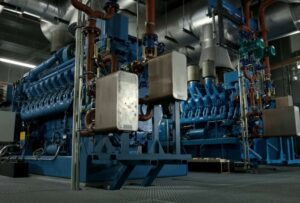
The energy transition is a permanent shift, not a trend. It offers students a unique path to a stable, high-paying career that actually matters.
Careers in Energy Transition: Skill Stacking Approach

Estimated reading time: 5 minutes
The global energy landscape is undergoing its most significant transformation since the Industrial Revolution. For students currently planning their academic and professional trajectories, this shift, known as Energy Transition, represents one of the most stable and high-growth career frontiers available. It is not merely a change in power sources; it is a fundamental redesign of how society functions.
Defining Energy Transition
Energy Transition is the global migration from a fossil-fuel-based energy system to one powered by renewable, carbon-neutral sources. While the 20th century was defined by the extraction of coal and oil, the 21st century is defined by the technology required to harness sunlight, wind, and hydrogen.
For a student, this means the “Science” and “Tech” sectors are merging. A career in energy is no longer just about civil engineering or geology; it now encompasses Artificial Intelligence, high-level chemistry, and complex data modeling.
The Emerging Energy Ecosystem

To identify where you fit within this transition, it is helpful to view the sector through three distinct pillars of innovation:
1. Generation: The Architects of Power
This pillar focuses on creating energy without carbon emissions.
- Next-Gen Renewables: Careers here involve designing high-efficiency solar cells or offshore wind turbines that can withstand extreme oceanic conditions.
- Green Hydrogen: This is a frontier for chemistry students. It involves using electrolysis to create fuel for industries that cannot easily run on electricity alone, such as aviation and heavy manufacturing.
- Nuclear Innovation: Small Modular Reactors (SMRs) are emerging as a safe, scalable way to provide “baseload” power, requiring experts in nuclear physics and modular design.
2. Storage and Infrastructure: The Grid Builders
Because renewable energy is intermittent, we need systems to store and move it.
- Battery Technology: There is a massive demand for material scientists to develop the next generation of batteries that are cheaper, denser, and more sustainable than lithium-ion.
- Electrification: This involves transitioning everything—from heating systems to transport—onto the electric grid. This requires electrical engineers who can design “Supergrids” capable of moving power across continents.
3. Optimization: The Digital Brain
This is where software meets hardware.
- Smart Grids: These systems use AI to predict energy demand and adjust supply in real-time. If you are interested in coding, this is where you can build algorithms that prevent blackouts and optimize energy efficiency for entire cities.
- Cybersecurity: As the energy grid becomes more digital, protecting it from cyber-attacks has become a high-priority, high-paying career path.
Careers in Energy Transition
Depending on your strengths, you can enter Energy Transition through several specialized lanes:
| Career Lane | Primary Discipline | Emerging Role |
| Hardware Engineering | Physics & Math | Wind Turbine Aerodynamicist |
| Chemical Science | Chemistry & Biology | Electrochemical Engineer (Batteries) |
| Digital Systems | Computer Science | Grid Automation Developer |
| Economics & Law | Social Sciences | Carbon Markets Analyst |
Energy Transition: Your Roadmap to 2030
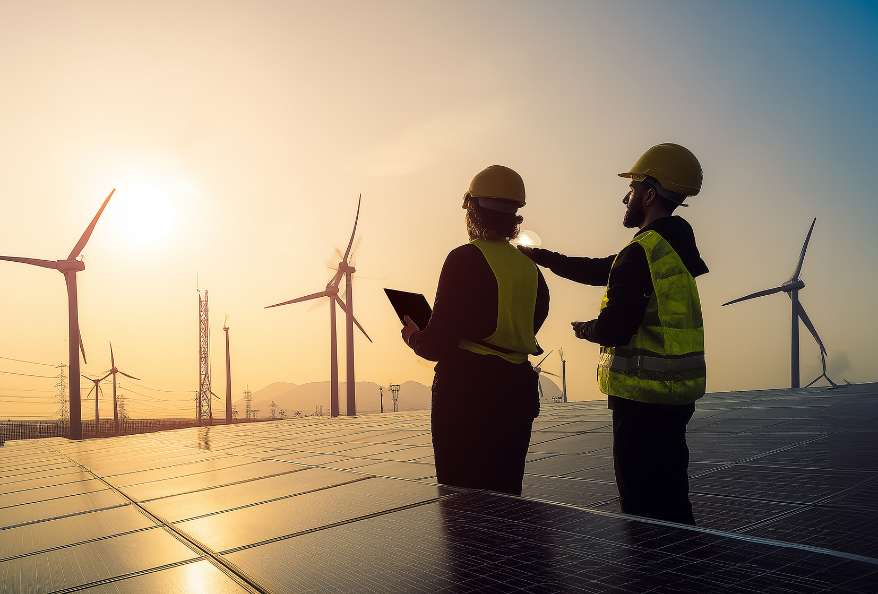
If you are interested in pursuing this field, your preparation should be strategic and cumulative:
Step 1: Build the Theoretical Foundation
Prioritize Physics and Mathematics. These are the universal languages of energy. If your school offers Environmental Science or Computer Science, these will provide the necessary context and technical tools for modern energy systems.
Step 2: Pursue “Skill-Stacking”
A degree is often supplemented by specialized credentials. Consider exploring:
- Programming: Python is the industry standard for data analysis and energy modeling.
- Industry Certifications: Research certifications like NABCEP (for solar) or GWO (for wind) to understand the technical standards professionals must meet.
Step 3: Create a Digital Portfolio
Do not just learn, build. Participate in hackathons focused on sustainability or use open-source data to model energy usage. Demonstrating that you can apply your knowledge to real-world problems is what will distinguish you in a competitive job market.
If you are already in university or want to build a portfolio during a gap year, these certifications are the “gold standards.”
For Battery Technology & Storage
- DNV Energy Storage Essentials: A professional-grade course covering technical risks, safety (crucial for BESS), and market economics.
- Ansys Battery Design: Learning this specific simulation software is a high-value skill for anyone wanting to work in R&D for EV companies.
For AI & Smart Grid Management
- Microsoft Certified: Azure AI Engineer Associate: Essential if you want to build AI solutions that manage massive data sets.
- Machine Learning Specialization: For learning the math behind the AI that predicts energy demand.
- NVIDIA Jetson AI Certification: Focuses on “Edge AI” teaching you how to put AI directly onto hardware like smart meters or wind turbine sensors.
Essential Software “Stack”
To be hired in 2030, you should be proficient in at least two of these tools:
- Python: For data analysis and writing AI algorithms.
- MATLAB / Simulink: The industry standard for modeling how electricity flows through a circuit or a grid.
- SCADA Systems: Understanding how these “remote control” systems monitor power plants.
Careers in Energy Transition: Trajectory
The energy transition is a permanent shift, not a trend. It offers students a unique path to a stable, high-paying career that actually matters. By working at the meeting point of tech and the environment, you are choosing a career path that is built to last.
Additionally, to stay updated with the latest developments in STEM research, visit ENTECH Online. Basically, this is our digital magazine for science, technology, engineering, and mathematics. Further, at ENTECH Online, you’ll find a wealth of information.
Reference:
- Prajapati, P., Guo, R., Cai, A., & Prashad, R. (2025). Navigating the energy transition in India: challenges and opportunities towards sustainable energy goal. Water-Energy Nexus, 9, 1–18. https://doi.org/10.1016/j.wen.2025.07.004
- Author
- Latest Posts
Saira Kale, widely recognized as Coach Saira, is a distinguished Career Empowerment Coach and IT professional with over 25 years of cross-functional experience in India and Canada. As the visionary founder of Optima Knowledge Ventures, she has dedicated her career to bridge the gap between academic education and professional fulfillment. With a strong foundation in Computer Science and Project Management, she utilizes a structured, analytical framework to help individuals navigate the complexities of the modern workforce.
Saira specializes in mentoring students, mid-career professionals, and women re-entering the corporate world. Her coaching philosophy centers on “Clarity of Purpose,” moving beyond traditional career advice to help clients align their professional paths with their unique personality traits, emotional intelligence, and long-term life goals. She is the author of the acclaimed book “Career Prism,” which serves as a strategic manual for parents and teenagers navigating the shift toward future-ready industries like Green Technology and AI.
Having mentored hundreds of individuals, Coach Saira is celebrated for her holistic approach to success. She empowers her clients to build “skill-stacks” that are resilient to automation while emphasizing the importance of work-life harmony and personal growth in an increasingly digital and fast-paced global economy. To know more about her visit: www.coachsaira.com