If someone understands which role suits them best, the gaming industry becomes far more approachable.
Guide to Gaming Industry Roles and Preparation Paths

Estimated reading time: 7 minutes
The gaming industry isn’t one job or one skill. It’s a mix of creativity, tech, art, sound and execution and each role in gaming industry exists for one simple reason:
To make the player’s experience better.
In India’s growing game development ecosystem, the path into each role is actually clearer than people think. If you understand what the role really does on a day-to-day basis and prepare for it step by step.
I’ve broken this down into clear roles in gaming industry, expectations and realistic paths forward below.
Creative Design Roles in Gaming Industry
Game Designer
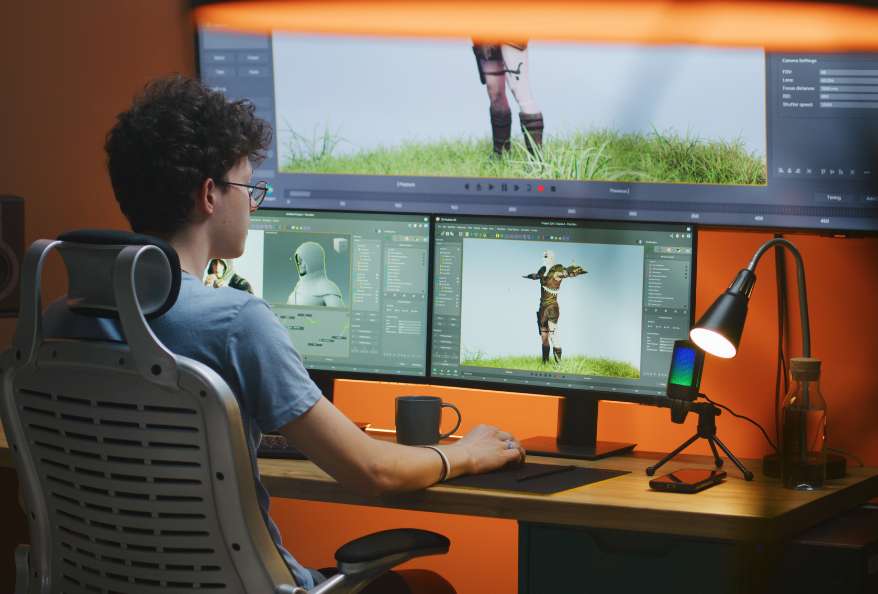
Game designers are the people who decide why a game is fun. They think about rules, mechanics, pacing, difficulty and progression. Everything that makes a player want to continue playing comes from this role.
Many people assume game designers only come up with ideas. In reality, most of their time goes into testing ideas, watching them fail, fixing them and polishing them again and again until the experience feels right. It is a highly iterative role.
One of the most important responsibilities of a game designer is creating and maintaining the Game Design Document. This document becomes the reference point for the entire team, including artists, programmers, audio designers and producers. It is not a one-time document and keeps evolving as the game takes shape.
In India, preparation for this role can come from formal education or self-learning. Understanding core game design concepts, learning industry terminology and studying how successful games are built is essential. Aspiring designers should create mock designs along with proper documentation, not just ideas. Modding existing games, working with small indie teams and attending industry events helps build real experience.
Studios care far more about portfolios than degrees. A strong portfolio should show multiple unique game ideas, mock screens and clear design thinking. Breaking down an existing popular game and explaining what worked and what could have been improved adds a lot of value.
Narrative Designer / Writer
Narrative designers give the game its emotional depth. They work on characters, dialogues, world building and player choices that create impact. Writing alone is not enough for this role. A good narrative designer understands how story and gameplay influence each other.
A background in writing, film, or storytelling helps, but interactive storytelling is a different skill. Learning tools used in narrative design and creating branching stories or choice-based demos is important. Collaborating on indie games or small projects helps build credibility.
Studios look for proof that writing changes the way a game feels and plays, not just good scripts.
Level Designer
Level designers decide where the action and challenge take place. They design spaces, enemy placement, paths, secrets and pacing so that players feel engaged without getting frustrated.
This role requires thinking from a player’s perspective while also understanding design logic. Learning level design tools in engines like Unity or Unreal is essential. Building playable levels and clearly explaining the reasoning behind design decisions helps showcase skill.
Many level designers in India start through QA roles, asset placement, or internships before moving fully into design. Feedback from online communities and constant iteration plays a big role in growth.
In many Indian studios, especially indie and mid-sized teams, one game designer often handles game design, narrative design and level design together.
Technical Roles in Gaming Industry
Game Programmer
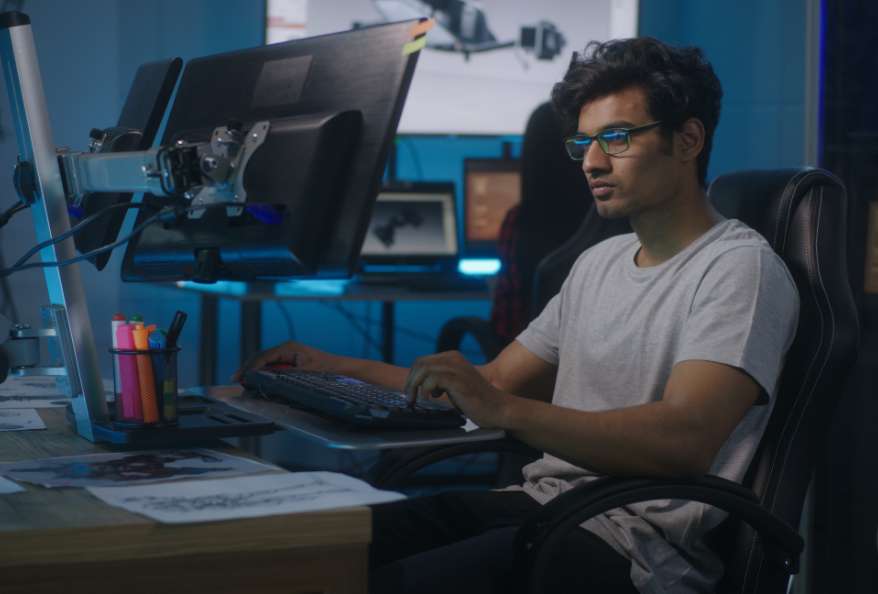
Game programmers are responsible for making everything work. Player movement, combat systems, AI behavior, tools and performance are all built by them.
A strong foundation in programming languages such as C++ or C#, along with data structures, is important. More than certifications, regular practice matters. Building small games, systems, or prototypes consistently helps develop problem-solving skills.
Sharing clean, well-structured code through repositories and contributing to game engines or open-source projects shows seriousness and commitment.
QA Tester (Quality Assurance)
QA testers focus on finding issues before players do. Their role is to identify bugs, crashes, balance problems and usability issues so the final experience feels polished.
This role does not require a formal degree and is one of the most accessible entry points into the gaming industry in India. Learning how to write clear bug reports and test cases is key. Testing indie games, public betas, or personal projects helps build experience.
Many professionals grow from QA into automation, production, or design roles over time. It remains one of the most underrated ways to enter the industry.
Art and Visual Roles in Gaming Industry
Game Artist (2D / 3D)
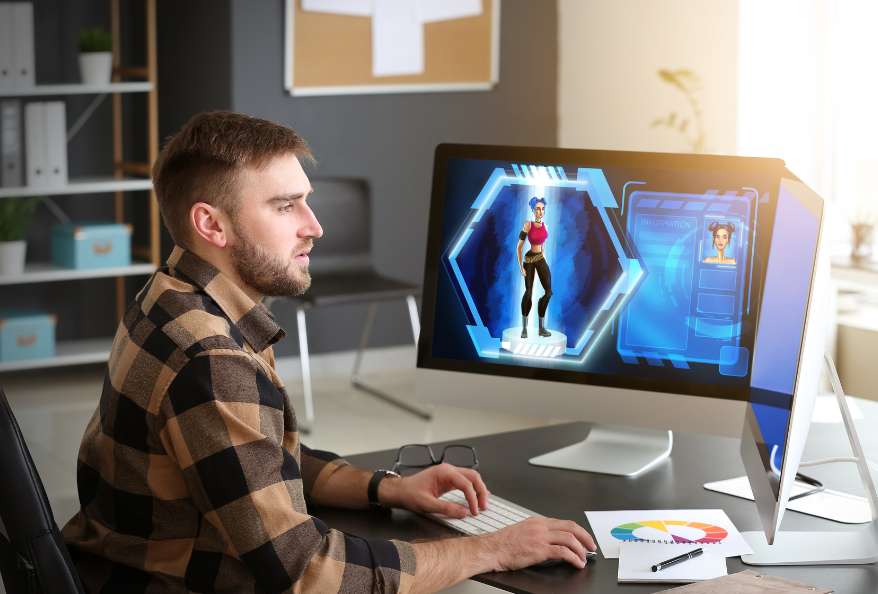
Game artists shape how a game looks and feels. Characters, environments, props, animations and visual effects all come from this role.
Artists are expected to be comfortable with tools such as Blender, Maya, 3ds Max, ZBrush, Photoshop and Substance Painter. Choosing a clear style helps create a strong identity. Studios value portfolios that show not just final results, but also the process behind them.
Game jams and freelance work are common ways artists gain experience before joining studios full-time.
UI/UX Designer
UI and UX designers focus on how players interact with the game. Menus, buttons, HUD elements and navigation systems are designed to be clear and intuitive so players can focus on gameplay instead of controls.
Learning design tools and building interactive prototypes is important. Redesigning existing game interfaces as practice helps sharpen usability thinking. Studios look for designers who understand player behavior, not just visual design.
Audio Roles in Gaming Industry
Sound Designer / Audio Engineer
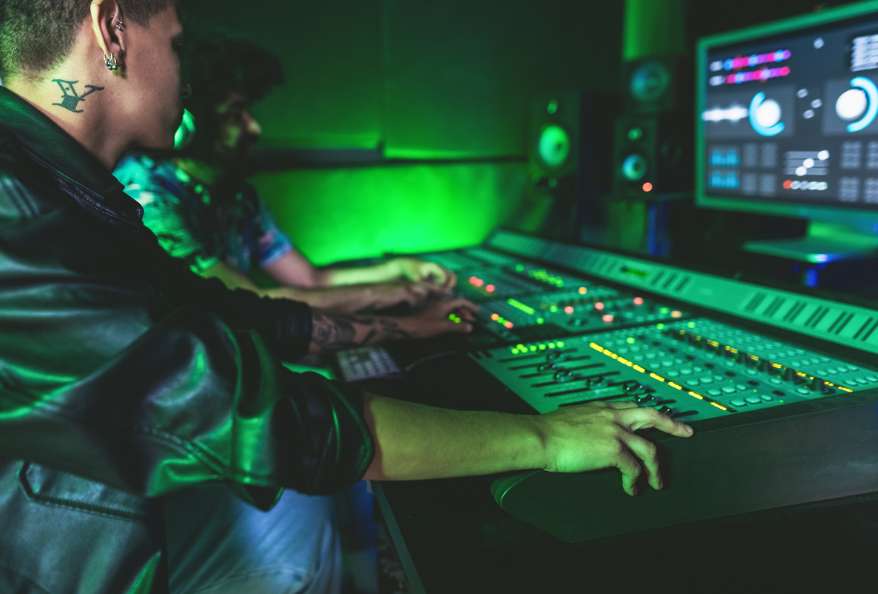
Sound designers create the audio layer that brings a game to life. Footsteps, weapons, ambience and interface sounds all contribute to immersion.
Learning digital audio tools and audio middleware is essential. Recording original sounds, syncing them with gameplay footage and building a focused audio portfolio helps demonstrate skill. Many sound designers begin by freelancing on indie projects.
Composer
Composers create music that supports the emotional journey of the game. Their work adapts to gameplay situations, tension and pacing.
Understanding adaptive music systems and integrating music into gameplay is important. Building demos synced to real gameplay footage and collaborating on small projects helps build credibility and visibility.
Production and Management Roles in Gaming Industry
Game Producer
Game producers ensure that games are completed and released. They balance creative vision, team coordination, budgets and timelines.
A background in management or business can help, but practical experience is more important. Managing small projects, participating in game jams and learning production frameworks are common starting points.
Project Manager
Project managers keep teams aligned and focused. They track progress, remove blockers and ensure communication flows smoothly across departments.
Many project managers transition into this role from QA, production, or operations. Familiarity with project management tools and workflows is essential.
Emerging and Allied Roles in Gaming Industry
- Marketing specialists focus on visibility, launches and audience growth.
- Community managers handle player communication and feedback.
- Monetization analysts focus on balancing revenue with player satisfaction.
These roles are growing rapidly in Indian studios and are becoming increasingly important.
Reality Check if you are in India!
- Portfolios matter more than degrees.
- Freshers usually start between 3 to 6 LPA.
- Mid-level professionals often earn between 10 to 20 LPA.
- Bengaluru, Pune and Mumbai are major hubs.
- Industry events and developer communities play a big role.
If someone understands which role suits them best, the gaming industry becomes far more approachable.
It is a long journey, but it is a very real and achievable one.
Additionally, to stay updated with the latest developments in STEM research, visit ENTECH Online. Basically, this is our digital magazine for science, technology, engineering, and mathematics. Further, at ENTECH Online, you’ll find a wealth of information.
Reference:
- Liang, Y. (2022). Analysis of the video gaming industry. Advances in Economics, Business and Management Research/Advances in Economics, Business and Management Research, 656. https://doi.org/10.2991/aebmr.k.220603.185
- Author
- Latest Posts

I’m Vaibhav, Founder and CEO of underDOGS. Over 17 years in the gaming industry, I’ve worn multiple hats – from Game Designer, Game Producer, and Game Director to founding and growing a sustainable gaming business. A computer engineer turned entrepreneur, my journey began with selling sports card photos to eventually founding underDOGS in 2011.
Recently won Sony PlayStation India Hero Project for my game Mukti to build for PlayStation 5 and PC. I’ve successfully delivered more than 250 games globally. With a passion for making games, mentoring businesses, and shaping the careers of over thousands of students, managed to become a recognized figure in the gaming industry.