Brain neurons store items and contexts separately in the medial temporal lobe. This process creates detailed, flexible memories of events.
Neural Mechanisms of Memory Storage in the Brain
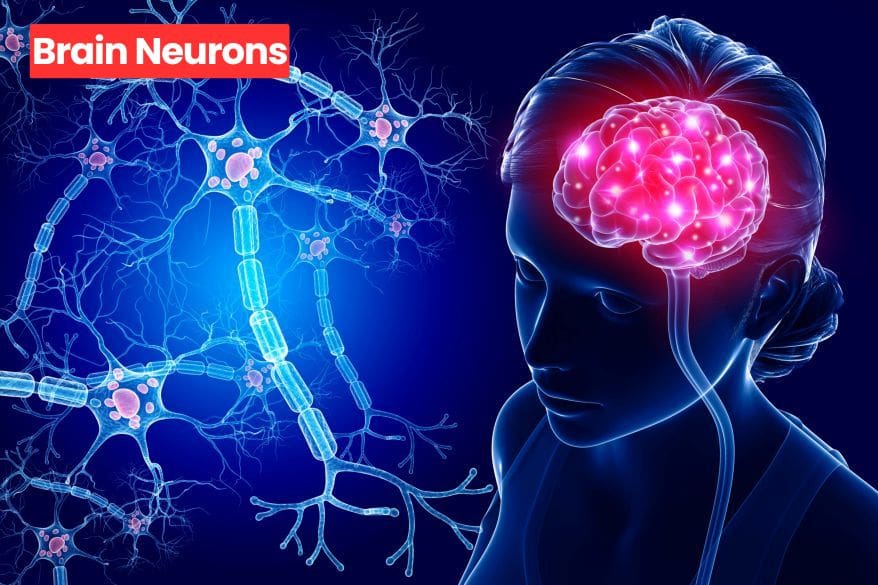
Every moment of your life leaves a trace in your neural architecture. The biological mechanisms governing memory storage in brain tissue represent one of science’s most fascinating frontiers. From the moment you learn a new fact to recalling childhood events, your neural networks undergo constant remodelling. This process involves specialised cells communicating across trillions of connection points. Understanding how memories form helps us appreciate our cognitive abilities better. It also illuminates pathways for treating memory disorders. As a botanist studying plant memory systems, I find striking parallels between how plants store environmental information and how human brains encode experiences. Both systems rely on cellular plasticity and chemical signalling. This article explores the biological foundations of memory retention. We will examine key brain structures, cellular mechanisms, and factors that influence how well we remember.
Key Takeaways: Memory Storage in Brain
- Memory storage in brain relies on synaptic plasticity and neural network remodelling
- The hippocampus plays a critical role in converting short-term memories to long-term storage
- Sleep is essential for memory consolidation and synaptic homeostasis
- Different brain regions specialize in different types of memory processing
- Lifestyle factors significantly impact memory storage capacity
The Cellular Foundation of Memory: Neurones and Synapses
Memory storage in brain tissue begins at the cellular level. Neurones form the basic building blocks of our nervous system. These specialised cells communicate through electrical impulses. They release chemical messengers called neurotransmitters. Each neurone can connect with thousands of other neurones. These connection points are called synapses.
Synaptic transmission occurs when an electrical signal reaches the presynaptic terminal. This triggers neurotransmitter release into the synaptic cleft. The receiving neurone then processes this chemical signal. Stronger connections form when neurones communicate frequently. This principle forms the foundation of learning and memory. To illustrate this concept, consider how repetitive practice strengthens a musical skill.
The Hippocampus: Gateway to Long-Term Memory
The hippocampus serves as a critical hub for memory formation. This seahorse-shaped structure sits deep within the temporal lobe. It processes new information before sending it to other brain regions. Think of it as a sorting station for incoming data. The hippocampus determines what information deserves permanent storage.
To begin with, short-term memories pass through the hippocampus first. Synaptic plasticity within this region facilitates learning. Long-term potentiation strengthens neural connections here. This process involves repeated stimulation of specific neural pathways. After that, memories become more stable over time. The hippocampus works closely with surrounding cortical areas.
Short-Term vs Long-Term Memory: Two Distinct Systems
Understanding short-term vs long-term memory helps clarify how information persists. To begin with, short-term memory acts like a temporary workspace. It holds limited information for brief periods. You might remember a phone number for thirty seconds. This capacity typically spans five to nine items. Without rehearsal, short-term memories quickly fade.
After that brief moment, information either moves forward or disappears. Working memory extends this concept further. It allows manipulation of held information. For example, mental arithmetic uses working memory. In like manner, following a conversation requires it. These systems provide the foundation for more permanent storage.
The Role of the Cortex in Memory Storage
In the study of memory storage in the brain, the cortex represents the brain’s outer layer. To begin with, it handles complex processing of stored information. Different cortical regions specialise in different memory types. The visual cortex stores image memories. The auditory cortex processes sound-related memories. Sensory information gets distributed across these specialised areas.
After that initial distribution, the cortex integrates these fragments together. Memory storage in brain tissue involves widespread cortical networks. No single location holds a complete memory. Instead, different aspects of an experience get stored separately. The colour of an object resides in one region. Its shape resides in another. To put it differently, remembering requires reassembling these fragments.
Synaptic Plasticity: How Memories Physically Change the Brain
In the study of memory storage in the brain, synaptic plasticity refers to the brain’s ability to modify connections. To begin with, it represents the cellular basis of learning. When neurones communicate repeatedly, their connections strengthen. This strengthening is called long-term potentiation (LTP). Conversely, unused connections weaken through long-term depression (LTD).
After that initial change, LTP involves several molecular events. Calcium ions enter the postsynaptic neurone. This triggers signalling cascades inside the cell. New receptor proteins get inserted into the membrane. As a result, the synapse becomes more sensitive to neurotransmitters. These changes can last for hours or even years. Memories literally reshape brain structure.
Sleep and Memory Consolidation
While studying memory storage in Brain, Sleep plays an indispensable role in memory processing. To begin with, during rest, the brain actively works on recently acquired information. It replays neural activity patterns from waking hours. This replay strengthens important connections. It also prunes unnecessary ones.
After that initial replay, different sleep stages contribute differently to storage. Slow-wave sleep helps consolidate declarative memories. These include facts and events. Rapid eye movement (REM) sleep processes procedural memories. These include skills and habits. In like manner, a full sleep cycle provides both types of consolidation. This is why all-nighters impair learning
Frequently Asked Questions: Memory Storage in Brain
Can you improve your memory storage capacity?
Yes, memory capacity can improve through practice and healthy habits. To begin with, regular mental challenges stimulate neural growth. Physical exercise supports brain health as well. Adequate sleep allows proper consolidation of new information. Social engagement provides cognitive stimulation too. A nutritious diet provides essential building blocks for neural function. As a result, these factors collectively enhance memory storage in brain capacity.
Why Do We Forget Some Memories?
To begin with, forgetting serves several important functions. It prevents information overload in memory storage in the brain. Weak memories fade when not reinforced over time. This pruning allows important information to stand out. After all, your brain cannot store everything permanently. At the same time, forgetting allows neural resources to be reallocated efficiently. The brain prioritises frequently used information for retention. Unused connections weaken through a process called long-term depression. As a result, rarely accessed memories become harder to retrieve over time. This natural selection optimises storage capacity.
How does age affect memory storage?
Ageing naturally affects some memory processes. Processing speed may slow down. Retrieval can become more challenging. However, existing knowledge remains stable. New learning may require more repetition. Lifestyle factors significantly influence age-related changes. Mental engagement preserves function. The brain maintains plasticity throughout life.
References
Mujawar, S., Patil, J., Chaudhari, B., & Saldanha, D. (2021). Memory: Neurobiological mechanisms and assessment. Industrial psychiatry journal, 30(Suppl 1), S311–S314. https://doi.org/10.4103/0972-6748.328839
Sridhar, S., Khamaj, A., & Asthana, M. K. (2023). Cognitive neuroscience perspective on memory: Overview and summary. Frontiers in Human Neuroscience, 17, 1217093. https://doi.org/10.3389/fnhum.2023.1217093
- Author
- Latest Posts

Ashwini Kshirsagar holds a graduate degree in Chemistry and a postgraduate degree in Environmental Science from Shivaji University, Kolhapur. With a strong foundation in scientific principles and a creative flair, she blends her expertise in environmental science with skills in technical writing, graphic design, and video editing. Proficient in Adobe software, Ashwini excels at transforming complex scientific concepts into clear, engaging, and visually compelling content. Her unique ability to merge science and storytelling allows her to create impactful communication materials that are both informative and accessible to a wide audience.
- Author
- Latest Posts

I completed my Master of Science from the University of Allahabad in 2017 with a strong academic background in life sciences and chemistry. My specialization included Molecular Biology, Microbiology, Genetics, Plant Breeding, Phycology, Paleobotany, and Bioinformatics, along with Organic Chemistry, Inorganic Chemistry, and Physical Chemistry. This multidisciplinary training provided me with a comprehensive understanding of biological systems and analytical scientific approaches.
After completing my postgraduate studies, I gained valuable professional experience in both the education and social development sectors. I worked at A.M. Oxford Public School, where I was actively involved in guiding students toward academic excellence. In this role, I focused on creating an engaging learning environment, encouraging critical thinking, and nurturing students’ curiosity for scientific learning. My experience as an educator strengthened my communication, mentoring, and classroom management skills.
In addition to my teaching experience, I worked with Jeevan Jagriti Foundation, where I contributed to community-based initiatives aimed at improving educational access and awareness among underprivileged sections of society. Through this work, I participated in programs designed to support social development and promote the value of education in marginalized communities.
These professional experiences helped me develop strong interpersonal, leadership, and organizational skills while reinforcing my commitment to education and community service.