Neural control and coordination are essential for body functions, ensuring smooth communication between different systems.
Neural Control and Coordination: The Nervous System
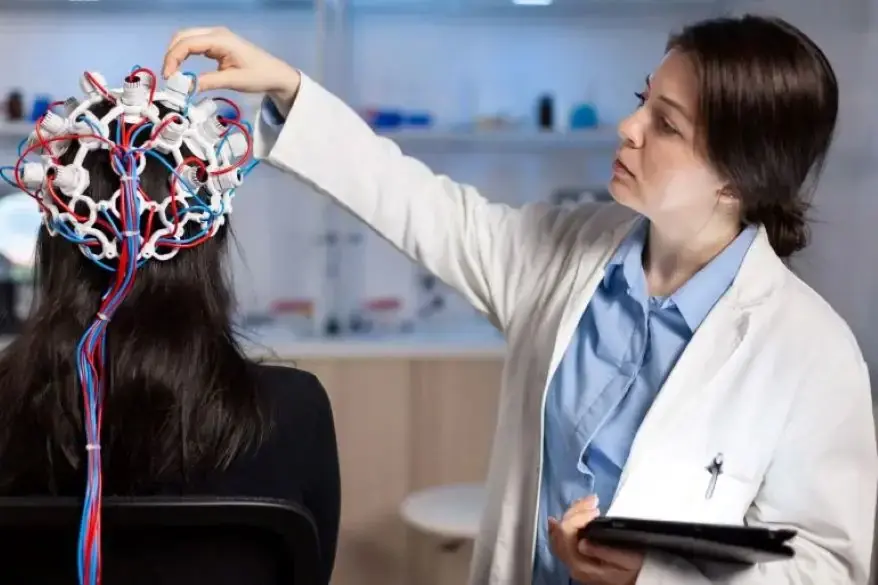
Your body moves, reacts, and thinks without you even noticing. This is the magic of the nervous system. Every blink, every heartbeat, every memory relies on an intricate network. Neuroscience reveals how billions of cells communicate in milliseconds. This system manages everything from breathing to complex problem-solving. The nervous system works like a superhighway of information. Signals travel at incredible speeds to control your actions. Understanding this system, especially neural control and coordination, helps us appreciate our own biology. It also sheds light on disorders like Parkinson’s disease or multiple sclerosis. The brain sits at the centre of this network, commanding all activities. Your spinal cord acts as a relay station for messages. Together, they form the core of neural regulation. This article explains how these components work in harmony.
Key Takeaways: Neural Control and Coordination
- The nervous system has two main divisions: central and peripheral.
- Neurones are specialised cells that transmit electrical signals.
- The brain contains distinct regions for different functions.
- Neurotransmitters are chemical messengers that bridge gaps between neurones.
- The reflex arc allows for rapid, automatic responses to stimuli.
- The autonomic nervous system controls involuntary bodily functions.
The Fundamental Units: Neurones and Nerves
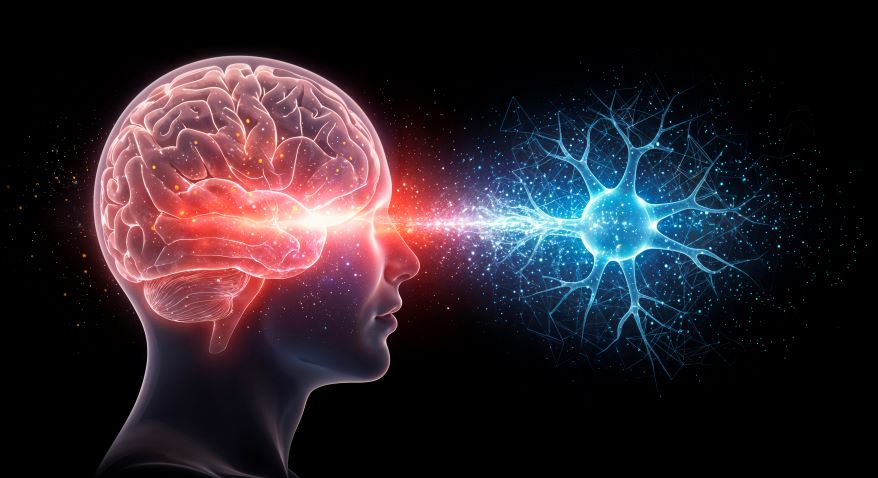
While studying neural control and coordination, neurones form the building blocks of the entire nervous system. Each neurone has a unique structure designed for communication. A typical neurone contains a cell body, dendrites, and an axon. Dendrites receive signals from other cells. The axon carries signals away from the cell body. Myelin sheaths insulate many axons to speed up transmission.
Neurones communicate through electrical impulses called action potentials. These impulses travel down the axon to reach the synapse. Nerves are bundles of axons bundled together like cables. They connect different parts of the body to the central nervous system. Sensory nerves carry information toward the brain. Motor nerves carry commands away from the brain. Mixed nerves contain both types of fibres.
To illustrate, consider touching a hot stove. Sensory nerves in your hand detect heat. They send a danger signal to your spinal cord. Motor nerves then instruct your hand to pull away. This entire process takes less than a second. So far, research has identified over 100 billion neurones in the human brain. Each neurone can connect with thousands of others. This creates an incredibly complex network. All things considered, the neurone remains the most specialised cell in the body.
The Central Command: CNS Explained
To begin with neural control and coordination, the central nervous system (CNS) includes the brain and spinal cord. In essence, it serves as the main control centre for the entire body. Above all, the brain processes sensory information and initiates responses. At the same time, the spinal cord transmits messages between the brain and the rest of the body. With attention to protection, both are shielded by bone and membranes called meninges. In addition, cerebrospinal fluid cushions these vital structures. As a result, the CNS remains safe from everyday impacts.
After all, the brain is the most complex organ in the human body. To put it another way, it weighs about three pounds on average. So as to manage diverse tasks, different regions handle different responsibilities. For instance, the cerebrum controls voluntary actions and thought processes. Analogous to a dual processor, it has two hemispheres that work together. On one hand, the left hemisphere often handles language and logic. On the other hand, the right hemisphere manages creativity and spatial awareness. In like manner, the cerebellum coordinates movement and balance. Consequently, it ensures smooth, precise motions. Provided that connections remain intact, the brainstem connects the brain to the spinal cord. To illustrate, it controls basic functions like breathing and heart rate. In short, the thalamus acts as a relay station for sensory information. In contrast, the hypothalamus regulates body temperature, hunger, and thirst.
Communication at the Synapse
Key Neurotransmitters and Their Functions
To begin with neural control and coordination, the table below lists major neurotransmitters. In addition, it describes their primary functions. As an illustration, acetylcholine handles muscle contraction and memory. Similarly, dopamine manages reward, movement, and emotion. Analogous to this, serotonin regulates mood, sleep, and appetite. In contrast, glutamate supports learning and memory. On the other hand, GABA promotes inhibition and relaxation.
| Neurotransmitter | Primary Function |
|---|---|
| Acetylcholine | Muscle contraction, memory |
| Dopamine | Reward, movement, emotion |
| Serotonin | Mood, sleep, appetite |
| Glutamate | Learning, memory |
| GABA | Inhibition, relaxation |
After all, these chemicals work together to control your body. With this in mind, each one plays a distinct role. Above all, balance between them is crucial for health. Consequently, imbalances can lead to disorders. By and large, understanding these messengers helps in treating neural conditions.
Frequently Asked Questions: Neural Control and Coordination
What is the difference between the CNS and PNS?
First of all, the CNS includes the brain and spinal cord. In contrast, the PNS consists of nerves outside the CNS. Above all, the CNS processes information and coordinates responses. On the other hand, the PNS connects the CNS to the rest of the body. To put it another way, the CNS acts as the main command centre. Analogous to this, the PNS acts as the communication network. As a result, both systems work together for neural control. With this intention, the body can react quickly to stimuli. All things considered, understanding this difference is essential for biology students
How do neurones transmit signals?
First of all, neurones generate electrical impulses called action potentials. After that, these impulses travel down the axon. At the same time, they reach the synapse at the end. To illustrate, chemical neurotransmitters then carry the signal. In like manner, they bridge the gap to the next neurone. As a result, the signal continues along the neural pathway. Above all, this process happens in milliseconds. With this in mind, the body can react almost instantly
What is a reflex arc?
First of all, a reflex arc is a neural pathway. In short, it produces automatic responses. Above all, it bypasses the brain for speed. As a result, reactions happen very quickly. To illustrate, consider pulling your hand from heat. After that, the spinal cord processes the signal. Consequently, the muscle contracts without thought. With this in mind, reflexes protect the body from harm. All things considered, this mechanism is vital for survival
References: Neural Control and Coordination
- Latash, M. L., & Yamagata, M. (2021). Recent Advances in the Neural Control of Movements: Lessons for Functional Recovery. Physical therapy research, 25(1), 1–11. https://doi.org/10.1298/ptr.R0018
- Y.S. Zhang, D.Y. Takahashi, A. El Hady, D.A. Liao, & A.A. Ghazanfar, Active neural coordination of motor behaviours with internal states, Proc. Natl. Acad. Sci. U.S.A. 119 (39) e2201194119, https://doi.org/10.1073/pnas.2201194119 (2022).
Disclaimer: We do not intend this article/blog post to provide professional, technical, or medical advice. Therefore, please consult a healthcare professional before making any changes to your diet or lifestyle. In fact, we only use AI-generated images for illustration and decoration. Their accuracy, quality, and appropriateness can differ. So, users should avoid making decisions or assumptions based only on the text and images.
- Author
- Latest Posts
Ayushi Chaudhari is a dedicated researcher, pharmacovigilance specialist, and Ph.D. scholar in Health Sciences with a joint focus on Pharmacovigilance and Microbiology. Deeply committed to advancing global healthcare standards, Ayushi’s work centers on understanding both the therapeutic benefits and potential risks of pharmaceuticals, with a specific research emphasis on addressing adverse drug reaction (ADR) underreporting mechanisms in India.
Holding a Master’s degree in Pharmacovigilance, Ayushi bridges rigorous academic theory with practical expertise in clinical research and drug safety. Her technical competencies span Individual Case Safety Reports (ICSR) management, MedDRA coding, causality assessments, narrative writing, and regulatory compliance. Additionally, she possesses hands-on experience in clinical trial protocols, Case Report Form (CRF) design, and literature screening to evaluate emerging safety profiles.
Driven by a mission to improve patient safety and elevate drug monitoring standards, Ayushi actively shares insights into clinical trial methodology, risk assessment, and healthcare compliance. As a contributor to ENTECH Magazine, she brings a vital perspective on pharmaceutical safety, public health research, and the evolving dynamics of medical science.
- Author
- Latest Posts

I completed my Master of Science from the University of Allahabad in 2017 with a strong academic background in life sciences and chemistry. My specialization included Molecular Biology, Microbiology, Genetics, Plant Breeding, Phycology, Paleobotany, and Bioinformatics, along with Organic Chemistry, Inorganic Chemistry, and Physical Chemistry. This multidisciplinary training provided me with a comprehensive understanding of biological systems and analytical scientific approaches.
After completing my postgraduate studies, I gained valuable professional experience in both the education and social development sectors. I worked at A.M. Oxford Public School, where I was actively involved in guiding students toward academic excellence. In this role, I focused on creating an engaging learning environment, encouraging critical thinking, and nurturing students’ curiosity for scientific learning. My experience as an educator strengthened my communication, mentoring, and classroom management skills.
In addition to my teaching experience, I worked with Jeevan Jagriti Foundation, where I contributed to community-based initiatives aimed at improving educational access and awareness among underprivileged sections of society. Through this work, I participated in programs designed to support social development and promote the value of education in marginalized communities.
These professional experiences helped me develop strong interpersonal, leadership, and organizational skills while reinforcing my commitment to education and community service.