Understanding the anatomy of this vital system is key to appreciating its complexity and maintaining respiratory health.
Anatomy of the Respiratory System: Understanding Lung Functions
Estimated reading time: 10 minutes
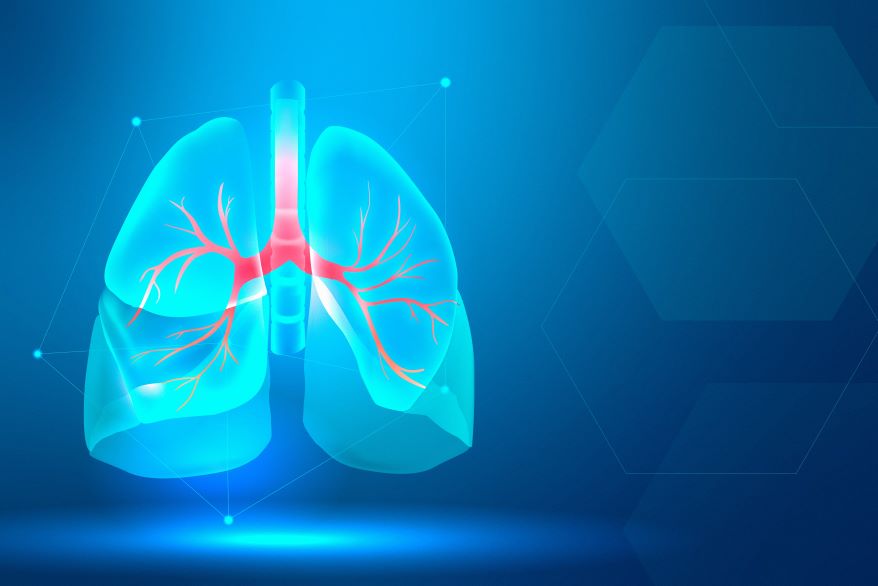
The anatomy of the respiratory system is truly wonderful. It’s designed to allow us to exchange the gases essential for life. Every part, from the nose to the tiny sacs in our lungs, has a big job in breathing. This system delivers oxygen to our blood and removes carbon dioxide. It’s more than just a tube; it’s a changing network that fits what we do. It keeps harmful things out and helps us smell. It helps to know how this system functions. This knowledge shows how intricate it is and helps us maintain healthy breathing.
What is the respiratory system?
The respiratory system consists of various parts that can be categorised into the upper and lower respiratory tracts. The nose area is part of the upper breathing system. The lower breathing system includes the windpipe, large air tubes, lobar tubes, segmental tubes, and smaller tubes. This system of tubes reaches the breathing area, where small tubes assist air movement. The lungs are very important. They help our bodies get oxygen and get rid of carbon dioxide.
The main components of the respiratory system

The main components of the anatomy of the respiratory system are:
- Nose and Nasal Cavity:
- Where air enters, it is filtered, warmed, and humidified.
- Pharynx (Throat):
- Passageway for both air and food.
- Larynx (Voice Box):
- Contains the vocal cords and the epiglottis, which prevent food from entering the trachea.
- Trachea (Windpipe):
- Passageway for air to the lungs.
- Bronchi:
- Branches of the trachea that lead to each lung.
- Bronchioles:
- Smaller branches of the bronchi that lead to the alveoli.
- Alveoli:
- Tiny air sacs where gas exchange (oxygen and carbon dioxide) occurs.
- Lungs:
- The main organs of respiration include the bronchi, bronchioles, and alveoli.
- Diaphragm:
- A muscle that aids in breathing by contracting and relaxing.
How does the respiratory system interact with other body systems?
The anatomy of the respiratory system interacts with several other body systems:
- Circulatory System:
- The lungs get oxygen into the blood. Then, the blood carries the oxygen to all parts of the body. It also takes away carbon dioxide.
- Nervous System:
- The nervous system controls breathing rate and depth.
- Musculoskeletal System:
- The diaphragm and chest muscles are essential for breathing.
- Immune System:
- The respiratory system’s mucous membranes and cilia help trap and remove pathogens.
- Excretory System:
- The respiratory system removes carbon dioxide from the blood, which is a waste product.
The primary functions of the respiratory system-
The primary functions of the Respiratory System are:
- Gas Exchange:
- To take in oxygen from the air and expel carbon dioxide from the blood.
- Ventilation:
- To move air into and out of the lungs.
- Protection:
- To filter, warm, and humidify inhaled air, and to protect against harmful particles and pathogens.
- Sound Production:
- To produce sounds through the vocal cords.
- pH Regulation:
- To help maintain the body’s acid-base balance by regulating carbon dioxide levels in the blood.
- Olfaction:
- The nose, which is part of the respiratory system, also plays a role in the sense of smell.
How do the Lungs Work?
Lungs are the main breathing organs. They help move air in and out of our blood. Here’s how the anatomy of the respiratory system works:
- Inhalation (Breathing In):
- When you breathe in, the diaphragm muscle tightens and goes down. The ribs move out.
- This makes the space in your chest bigger. Now, there is less pressure in your lungs than outside.
- Air goes from the outside, where there’s more pressure, to the inside, where there’s less pressure.
- Gas Exchange in the Alveoli:
- The alveoli have small blood vessels, called capillaries, around them.
- Simultaneously, carbon dioxide, a waste product of cellular metabolism, diffuses from the blood in the capillaries into the alveoli.
- Oxygen goes from the air in the alveoli to the blood in the capillaries.
- Also, carbon dioxide, the waste from cells, moves from the blood in tiny vessels to the air sacs.
- When you exhale, the diaphragm relaxes and moves upward, and the rib cage contracts.
- This decreases the volume of the chest cavity, increasing the pressure inside the lungs.
In essence, the lungs act as a sophisticated system for bringing oxygen into the bloodstream and removing carbon dioxide, which is essential for life
What is the structure of the lungs?
The lungs are a pair of spongy, air-filled organs located on either side of the chest (thorax). Their structure is optimized for gas exchange:
- Lobes:
- The right lung has three lobes (superior, middle, and inferior).
- In fact, the left lung has two lobes (superior and inferior) to accommodate the heart.
- Bronchial Tree:
- The trachea branches into the right and left bronchi, which further divide into smaller bronchioles.
- These bronchioles terminate in tiny air sacs called alveoli.
- Alveoli:
- These are microscopic, additionally thin-walled sacs surrounded by a network of capillaries (tiny blood vessels).
- They provide a massive surface area for gas exchange.
- Pleura:
- Each lung is enclosed in a double-layered membrane called the pleura.
- The pleural layers create a lubricated space that allows the lungs to expand and contract smoothly during breathing.
- Blood Vessels:
- Pulmonary arteries carry deoxygenated blood to the lungs.
- Pulmonary veins carry oxygenated blood away from the lungs.
How do the alveoli facilitate gas exchange?
The alveoli are specifically structured to facilitate efficient gas exchange:
- Thin Walls: Specifically, the walls of the alveoli are extremely thin, thereby allowing for rapid diffusion of gases.
- Large Surface Area: Furthermore, the numerous alveoli provide a massive surface area for gas exchange.
- Capillary Network: Additionally, the alveoli are surrounded by a dense network of capillaries, thus ensuring close contact between the air in the alveoli and the blood.
- Diffusion: Firstly, oxygen from the inhaled air diffuses from the alveoli into the blood in the capillaries, where it binds to hemoglobin in red blood cells.
- Conversely, carbon dioxide from the blood diffuses from the capillaries into the alveoli to be exhaled.
- The walls of the alveoli are extremely thin, allowing for rapid diffusion of gases.
The role surfactant plays in lung function
Surfactant is a complex mixture of lipids and proteins produced by type II alveolar cells in the lungs. Its role is crucial for proper lung function:
- Reduces Surface Tension:
- Surfactant reduces the surface tension of the fluid lining the alveoli.
- This prevents the alveoli from collapsing during exhalation, allowing them to remain open for gas exchange.
- Increases Lung Compliance:
- By reducing surface tension, surfactant also makes the lungs more compliant, meaning they can expand more easily.
- This reduces the effort required for breathing.
- Prevents Pulmonary Edema:
- By keeping the alveoli dry, surfactant also helps to prevent fluid buildup in the lungs.
- Ensures even inflation:
- Surfactant helps to promote equal inflation of alveoli of different sizes.
In essence, surfactant is essential for maintaining the stability of the alveoli and ensuring efficient gas exchange.
Factors Affecting Lung Function
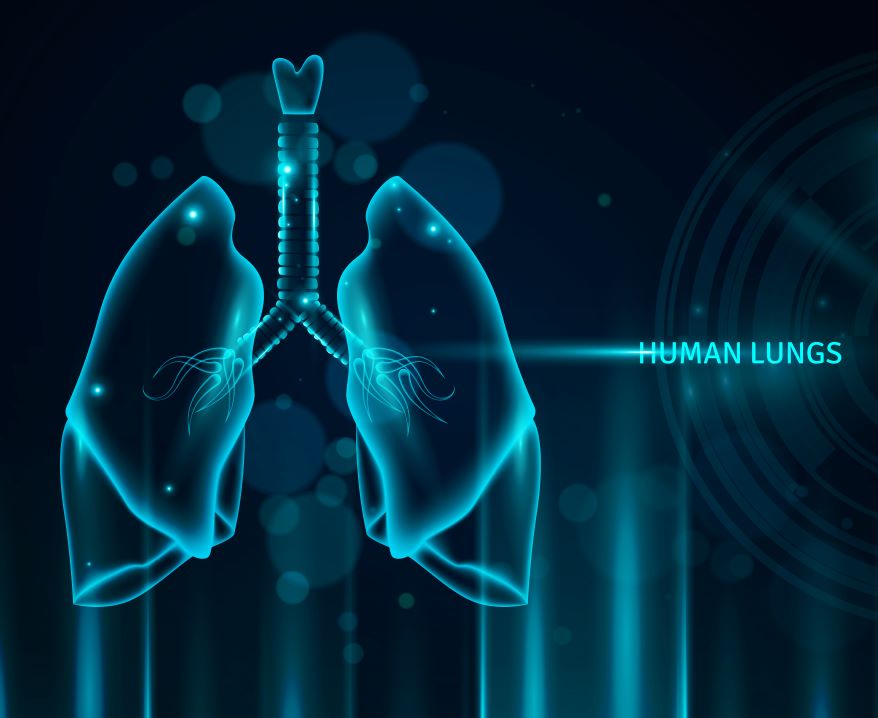
Lung function can be influenced by a variety of factors, including:
- Several factors can affect lung function. Firstly, age plays a significant role, as lung capacity naturally declines over time. Secondly, genetics can predispose individuals to certain respiratory conditions. Furthermore, environmental factors, such as exposure to pollutants, allergens, and irritants, can impair lung function. Finally, lifestyle choices, including smoking, poor diet, and lack of exercise, can negatively impact lung health.
- Body Position: Lying down can reduce lung capacity compared to standing or sitting.
- Respiratory Diseases: Conditions like asthma, COPD, and pneumonia can significantly affect lung function.
How does age impact lung capacity?
- Lung capacity generally peaks in early adulthood and gradually declines with age.
- This decline is due to:
- Firstly, loss of elasticity in lung tissue.
- Secondly, weakening of the respiratory muscles.
- Decreased flexibility of the chest wall.
- Finally, a reduction in the number of alveoli.
- So, older people’s lungs might hold less air. Air may also move in and out of their lungs more slowly. This can make them feel more breathless, especially when they do something active.
The Role Environmental Factors Play in Respiratory Health-
- Environmental factors can significantly impact respiratory health, both positively and negatively.
- Negative factors include:
- Air pollution (e.g., smog, particulate matter).
- Secondhand smoke.
- Exposure to allergens (e.g., pollen, mold).
- Occupational hazards (e.g., dust, chemicals).
- Radon gas.
- Positive factors include:
- Clean air.
- Access to green spaces.
- Adequate ventilation.
How can lifestyle choices impact lung function?
Lifestyle choices have a profound effect on lung function:
- Lifestyle choices significantly impact lung function. For example, smoking severely damages lung tissue, leading to conditions like COPD, lung cancer, and other respiratory diseases. Conversely, regular exercise strengthens respiratory muscles and improves lung capacity. Furthermore, a healthy diet supports overall health, including lung function. Moreover, adequate hydration helps keep mucus thin and easier to clear. However, exposure to indoor pollutants, such as poor ventilation, mold, or chemicals in the home, can damage lungs. Therefore, making healthy lifestyle choices is crucial for maintaining optimal respiratory health.
The Common Respiratory Disorders
Common respiratory disorders include:

- Several common respiratory disorders affect lung function. Firstly, asthma is a chronic condition characterized by airway inflammation and narrowing. Similarly, chronic obstructive pulmonary disease (COPD) is a progressive lung disease that causes airflow obstruction. Furthermore, pneumonia is an infection that inflames the air sacs in one or both lungs. Additionally, bronchitis involves inflammation of the bronchial tubes. Moreover, emphysema, often caused by smoking, results in damage to the alveoli. Beyond these, lung cancer involves the development of malignant tumors in the lungs. In contrast, pulmonary fibrosis is characterized by scarring of lung tissue. Also, sleep apnea involves repeated cessation and resumption of breathing during sleep. Finally, cystic fibrosis is a genetic disorder that affects the lungs and other organs.
Conclusion
Our anatomy of the respiratory system is intricate but crucial. It keeps us alive by swapping gases. It is carefully created so we can breathe in and push out air. How well our lungs work is very important for our well-being. Additionally, this changes as we get older, depending on our surroundings and how we live our lives.
Frequently Asked Questions
What is the anatomy of the respiratory system?
The anatomy of the respiratory system includes various structures that facilitate breathing and gas exchange. Moreover, it is divided into two main parts: the upper and lower respiratory tracts.
How do the lungs function within the human respiratory system?
Lungs are essential in breathing. They help us take in oxygen and expel carbon dioxide. Air enters through the nose or mouth, travels down the windpipe, and then branches into smaller tubes. These tubes keep branching into even smaller ones.
What are the main parts of the respiratory system?
The lung and airway parts can be split into two: conducting and breathing. In fact, the conducting area is made of the nose, nasal passage, throat, voice box, windpipe, and air tubes. These move air into the lung
References
- Stanojevic, S., Kaminsky, D. A., Miller, M. R., Thompson, B., (2021). ERS/ATS technical standard on interpretive strategies for routine lung function tests. European Respiratory Journal, 60(1), 2101499. https://doi.org/10.1183/13993003.01499-2021
- King, G. G., Bates, J., Berger, K. I., Calverley, P., De Melo, P. L., Dellacà, R. L., Farré, R., Hall, G. L., Ioan, I., Irvin, C. G., Kaczka, D. W., Kaminsky, D. A., Kurosawa, H., Lombardi, E., (2019). Technical standards for respiratory oscillometry. European Respiratory Journal, 55(2), 1900753. https://doi.org/10.1183/13993003.00753-2019
- Confalonieri, M., Salton, F., & Fabiano, F. (2017). Acute respiratory distress syndrome. European Respiratory Review, 26(144), 160116. https://doi.org/10.1183/16000617.0116-2016